A Beginner's Guide to Sauna: Everything You Need to Know
What sauna actually is, what to do on your first visit, what to bring, naked vs swimsuit, how long, how often. The practical no-fluff starting point.
Walking into a sauna for the first time is mildly intimidating — the heat is real, the etiquette is unfamiliar, and most of the advice online is either Finnish-specific or wellness-marketing fluff. This guide is the practical version. What sauna actually does, what to do on your first visit, what to expect, and how to build a routine that gives you the benefits the research actually supports.
If you've never taken a sauna and want a single starting point that doesn't assume cultural fluency, start here. If you're a few sessions in and want the deeper mechanism, our companion guides go further.
What sauna actually is (and isn't)
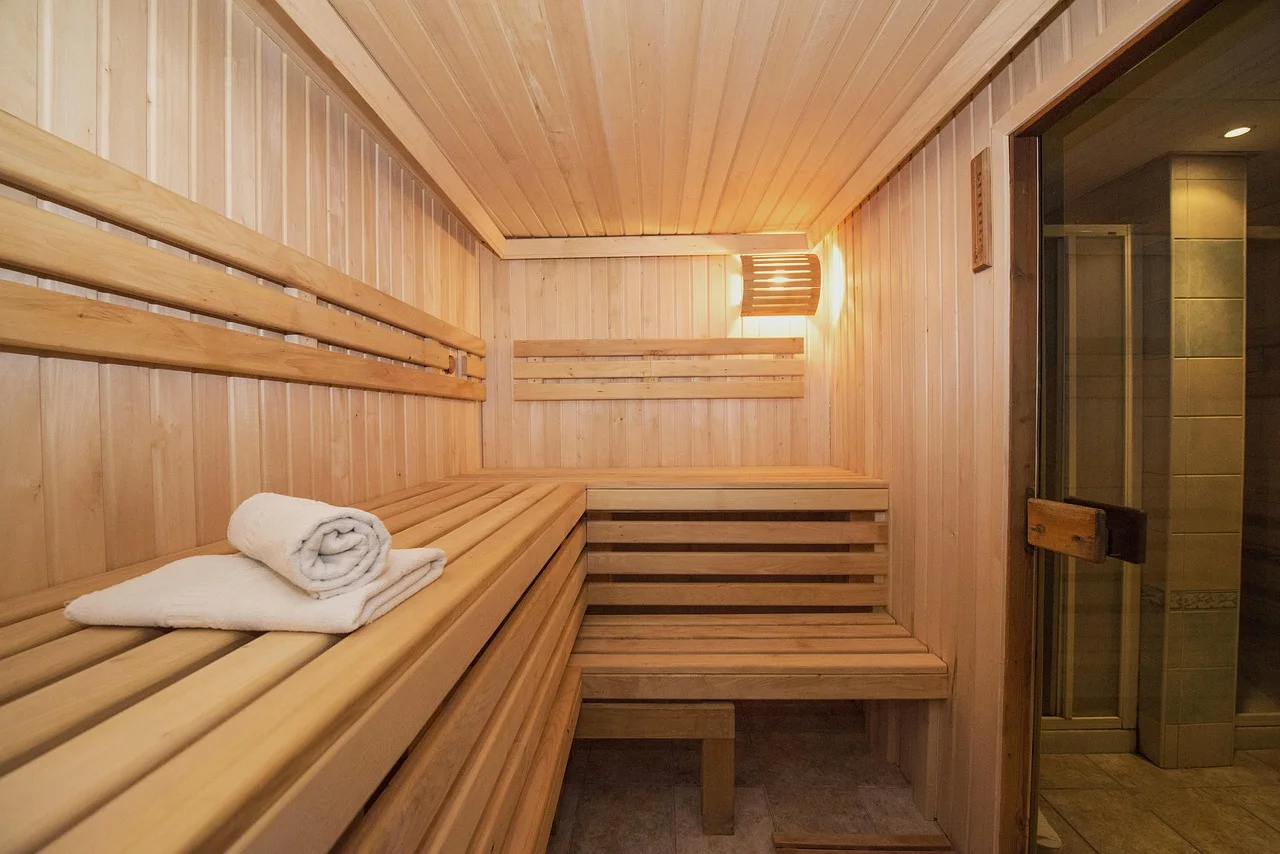
A sauna is a small wooden room heated to 70–100°C with a stove (electric or wood-fired) that warms a pile of stones. Pour water on the stones and you produce löyly — the burst of steam that briefly raises the perceived temperature dramatically. You sit on a wooden bench, sweat, leave to cool down, and (often) repeat.
That's the mechanical version. Culturally, sauna has been daily-life infrastructure in Finland for over 2,000 years and has become global wellness infrastructure in the last twenty. The Finnish version was the original; the German Saunalandschaft model, the Swedish bathhouse tradition, the Norwegian floating-sauna scene, and the contemporary American sauna boom are all variations on the same basic idea.
Sauna isn't:
- A "detox" mechanism — sweat doesn't meaningfully eliminate toxins
- A weight-loss tool — the post-session scale drop is water that returns
- A substitute for exercise — it produces a moderate cardiovascular load, comparable to brisk walking, not running
Sauna is:
- One of the better-researched lifestyle interventions for cardiovascular and brain health, when done regularly
- A reliable way to wind down before sleep
- A useful recovery tool for athletes and active people
- The most accessible "warm room" available in most northern climates
For the broader research picture, see our longevity guide, heart health guide, and myths and misconceptions.
The four common sauna types
Most public sauna facilities offer one or more of these. Each produces a slightly different experience and slightly different benefits.
Traditional Finnish sauna. 80–100°C, low humidity unless you pour water on the stones. The original format and the one with the strongest evidence base. Sessions are 10–20 minutes per round.
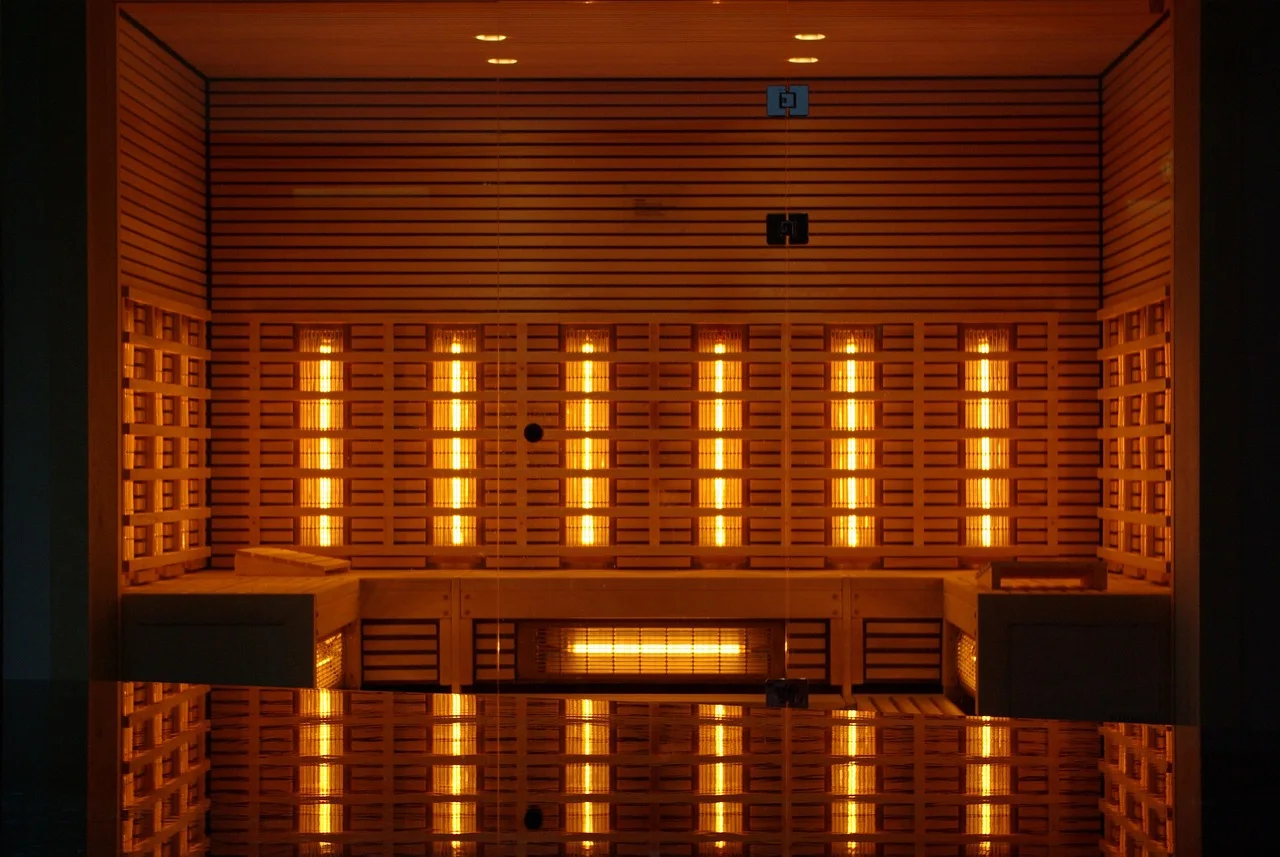
Infrared sauna. Air at 50–60°C, with infrared heaters warming you directly via radiation. Gentler, longer sessions (30–45 minutes), smaller cardiovascular load. Common in home installations because of lower power requirements.