How to Choose the Right Sauna Experience for You
With so many types of sauna available — Finnish, infrared, steam, Aufguss, floating, private, communal — choosing the right one for your goals can be overwhelming. Here is how to decide.
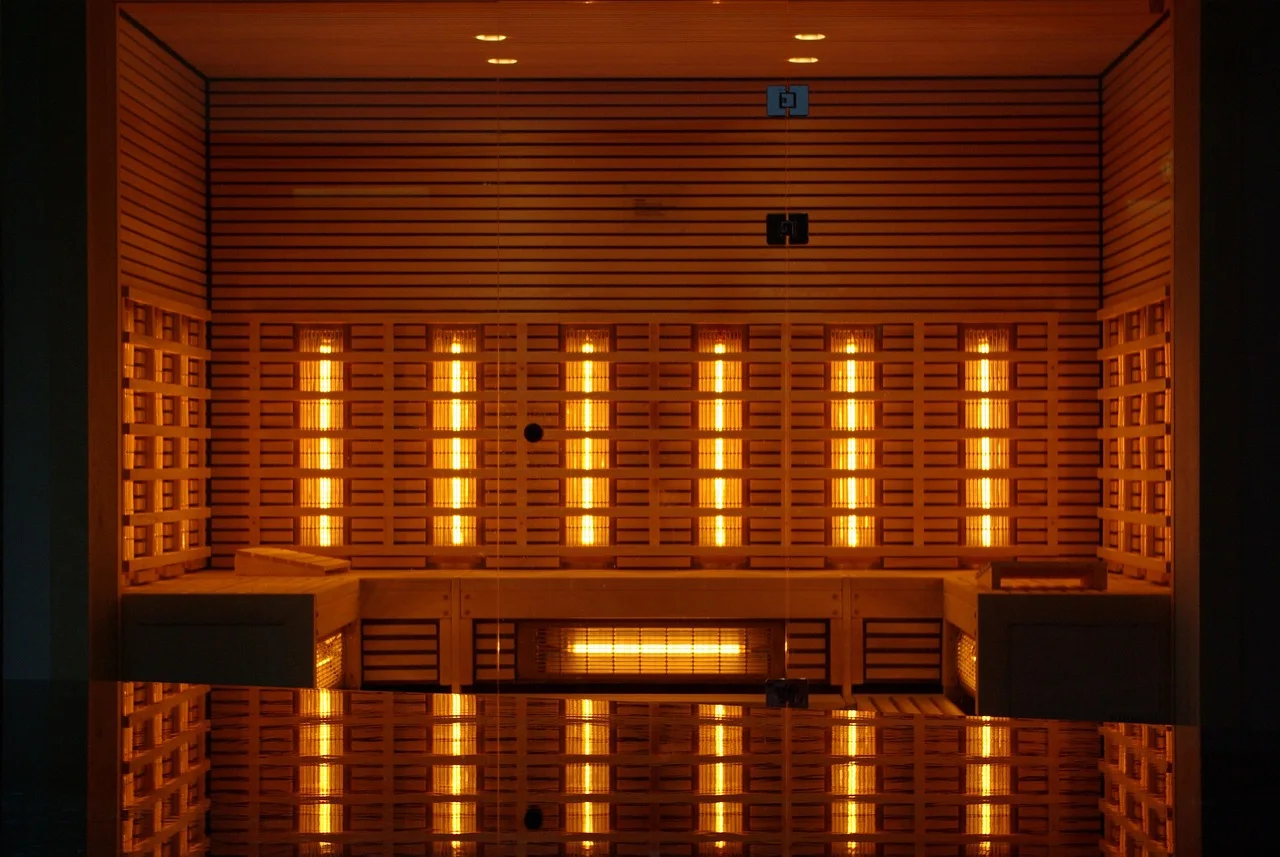
The sauna landscape in 2026 is richer and more varied than at any point in history. You can sit in a wood-fired Finnish sauna at 95°C, experience an Aufguss ceremony in a German spa, float in a Norwegian harbour sauna, take an infrared session in a Shoreditch studio, or rent a private barrel sauna in the countryside. Each is genuinely different — in temperature, humidity, atmosphere, health effects, and the kind of experience it provides.
How do you choose? Start with what you are actually trying to achieve.
If You Want Maximum Health Benefits
Choose: Traditional Finnish sauna at 80–95°C, wood-fired if possible, with cold plunge access.
The Finnish studies linking sauna use to reduced cardiovascular mortality, lower dementia risk, and improved longevity are based on traditional Finnish sauna use — dry heat, high temperatures, repeated heat-cool cycles. Infrared saunas and steam rooms produce some overlapping benefits, but the most robust evidence base supports the traditional model.
Look for: documented operating temperature of 80°C+, stone kiuas, cold plunge or natural water access, ability to add löyly.
If You Are New to Sauna and Feel Apprehensive
Choose: A well-run public sauna at a tourist-friendly venue, or a lower-temperature traditional sauna (70–80°C range).
Your first experience should be approachable, not overwhelming. Tourist-oriented venues in Helsinki (Allas Sea Pool, Löyly), Oslo (Langkaia Bad), and London (most new sauna clubs) are designed to welcome first-timers. Staff speak English, swimwear is welcome, and the atmosphere is relaxed.
Infrared saunas (40–60°C) are also a low-intensity entry point if you genuinely want to start very gently, with the caveat that the experience differs significantly from traditional sauna.
If You Want a Theatrical or Social Experience
Choose: An Aufguss sauna in Germany or Austria, or a programmed urban sauna venue.
Aufguss ceremonies — with essential oils, music, and the sauna master's choreography — are among the most engaging communal wellness experiences in Europe. Berlin's Vabali, Munich's Therme Erding, and Vienna's Therme Wien host regular Aufguss events that combine the physical benefits of sauna with a genuinely entertaining performance.
London and Amsterdam venues with strong programming (yoga and sauna combos, guided breathwork sessions, DJ sauna nights) offer a different version of the social sauna experience.
If You Want a Cultural Immersion
Choose: A traditional public sauna in Finland or Estonia — Kotiharju in Helsinki, Rajaportin in Tampere, Kalma Saun in Tallinn.
If you want to understand sauna as a cultural practice rather than a wellness service, visit the venues where local people actually go. These are not designed for tourists. They are institutions with decades or centuries of history, where regulars come weekly and the etiquette is genuine rather than explained on a welcome sign.
The experience is less comfortable in some ways (the Finnish spoken around you is not translated, the facilities are not Instagram-optimised) and more authentic in every way that matters.
If You Want Maximum Relaxation
Choose: A private sauna booking or a quiet session at an uncrowded time at a well-run public venue.
For pure relaxation — deep muscular release, mental quiet, sleep preparation — the social atmosphere of communal sauna adds noise that some users do not want. A private sauna booking (barrel sauna in the countryside, private hire at a hotel spa) or a weekday morning session at a quiet public venue removes the social variable entirely.
Pair this with a cold plunge ending, a long rest period, and minimal stimulation after the session.
If You Are Focused on Specific Health Goals
For respiratory health: Steam room or low-intensity sauna (70–80°C) For cardiovascular benefit: Traditional Finnish sauna, 3–4 times per week For athletic recovery: Traditional sauna post-exercise with cold plunge For mental health: Any traditional sauna with cold plunge, done consistently For metabolic benefit: Sauna + cold plunge, ending on cold
A Decision Framework
Ask yourself three questions:
- What is my primary goal? Health, relaxation, social experience, cultural exploration, or athletic recovery?
- What is my comfort level? Complete beginner, or experienced with heat bathing?
- What is my context? City visit, wellness holiday, local venue, or home?
Cross-referencing these answers will direct you to the right type of experience. When in doubt: a traditional Finnish sauna with cold plunge access is the safest choice for achieving the broadest range of benefits for the largest number of people.
Start there. Then explore.
Frequently asked questions
Traditional, infrared, steam, or bio-sauna? Each produces a different physiological profile and suits different goals. Our How to Choose Your Sauna Type guide walks through the decision framework in detail.
Solo or social? Many serious users do both. Solo sessions emphasize the parasympathetic shift and contemplative quality; social sessions add the cultural and conversational aspect. Pick based on what you'll actually use 3+ times per week.
Indoor or outdoor? Outdoor saunas (Norwegian floating saunas, Finnish lakeside cabins) add direct cold-water access and the hot-cold contrast at its most natural. Indoor saunas are more controllable and weather-independent.
Cheap or premium? A €12 drop-in at a Finnish public sauna delivers most of the cardiovascular benefit. Premium venues add atmosphere, design, and convenience but not meaningfully more health benefit per session.
Single visit or recurring? Sauna's documented benefits accrue over months of regular use. Single visits are pleasant; routines are where the cardiovascular and stress-management effects show up.
Related reading
How to Choose Your Sauna Type, Infrared vs Traditional, and Sauna vs Steam Room cover the format decisions.