Infrared Sauna vs Traditional Sauna: Honest Comparison
Infrared and traditional saunas heat the body in fundamentally different ways. Here is the honest comparison, with the marketing stripped out.
If you're shopping for a home unit, comparing options at a wellness club, or just trying to make sense of why one sauna feels like a Finnish summer cottage and another feels like a warm walk-in closet, you've probably hit the same question: traditional or infrared?
The marketing on both sides is louder than the evidence. Traditional-sauna purists treat infrared as a gimmick. Infrared brands cite a handful of small studies and imply they're medical-grade. The truth is more boring and more useful: the two devices do different things, and which one is right depends on what you actually want from a sauna.
Here is the comparison, with the marketing stripped out.
How they actually heat you
This is the core distinction, and most other differences flow from it.
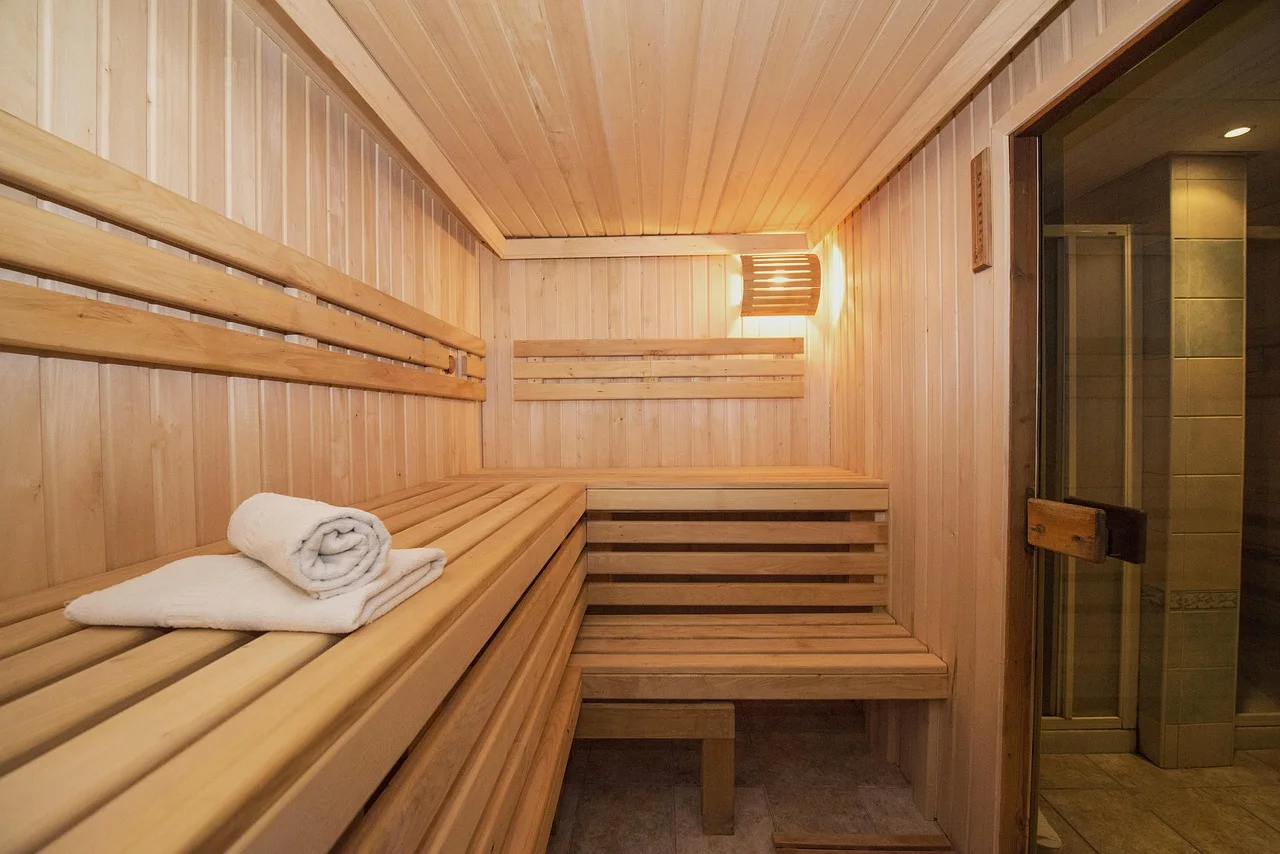
A traditional sauna heats the air. A wood-burning or electric stove warms a pile of stones to 200°C+, the stones radiate that heat into the room, and the room hits 80–100°C. Your body warms by sitting in hot air. Pour water on the stones (löyly) and you flash-create steam, which dramatically raises perceived temperature without changing the thermometer much.
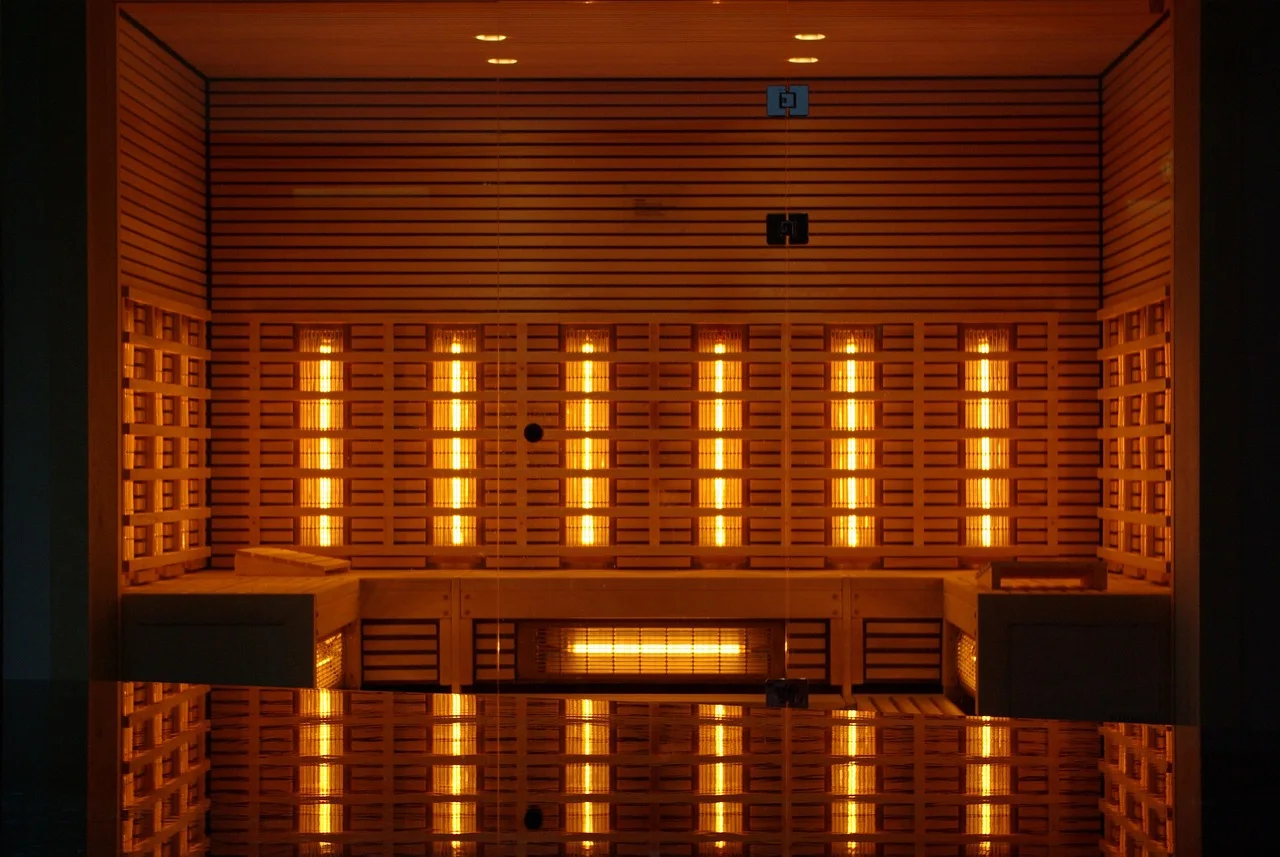
An infrared sauna heats you. Far-infrared heaters emit electromagnetic radiation in roughly the 5–14 micron wavelength. That radiation passes through air without warming it much, then deposits energy into your skin and the first millimeter or so beneath it. Air temperature in an infrared cabin typically sits at 50–60°C — about the temperature of a hot bath, not a Finnish sauna.
Both raise your core body temperature. They just take different routes.
What it actually feels like
If you've only used one type, the other will surprise you.
Traditional Finnish sauna at 85°C with löyly:
- Heat hits your face the moment the door opens
- Breathing feels heavy; the air itself is hot
- Sweat starts within 3–5 minutes, often heavily
- 15–20 minutes feels like genuine work
- You'll want to leave to cool off and come back
Infrared at 55°C, no humidity:
- Walking in feels less dramatic, more like a warm room
- The heat sneaks up — your skin warms before the air does
- Sweat usually starts later (8–15 minutes) but can be just as profuse
- 30–45 minutes is the typical session length
- Many users tolerate one continuous session rather than rounds
Neither is "better." A löyly-heavy round in a wood-burning Finnish sauna is a sensory experience — the smell of cedar, the crack of steam, the social pressure of a stranger asking if you'd like more water on the stones. An infrared cabin is closer to a quiet meditative session. People who find traditional sauna oppressive often love infrared. People who love the ritual of traditional sauna often find infrared anticlimactic.
Health claims: what the evidence actually supports
Here is where most articles go off the rails. Let's be specific.
Cardiovascular outcomes
Traditional: Strong long-term cohort data, especially the Finnish KIHD studies. Regular use is associated with substantially lower cardiovascular and all-cause mortality. We covered this in detail in our sauna and heart health guide.
Infrared: Some short-term mechanistic studies showing improved endothelial function and modest blood-pressure benefits, particularly in people with cardiovascular risk factors. No long-term cohort data comparable to the Finnish work. The mechanistic plausibility is real, but the leap from a 4-week trial to "lower mortality" hasn't been demonstrated.
Verdict: If your goal is cardiovascular benefit, traditional has the stronger evidence base by a wide margin.
Recovery and pain
Traditional: Helpful for general recovery, muscle relaxation, and post-exercise soreness. The mechanism is mostly heat + relaxation.
Infrared: Comparable, with some additional small-trial evidence in chronic pain conditions like fibromyalgia and rheumatoid arthritis. The "deeper penetration" claim — that infrared reaches muscles where heated air cannot — is only partly true (it penetrates a few millimeters, not several centimeters), but the practical recovery effect is similar.
Verdict: Roughly a wash for general use; infrared has a slight edge for some chronic-pain users who can tolerate it longer.
Detoxification
The "infrared detoxes heavy metals through sweat" claim is the most repeated and the most overstated. Sweat contains trace amounts of metals, but the kidneys and liver do nearly all of the body's actual detoxification work, and there is no compelling clinical evidence that any sauna meaningfully reduces body burden of toxins.
Verdict: Skip this one in your decision. Both produce sweat; neither is a detox protocol.
Mental health and sleep
Both have small-but-encouraging trials suggesting reduced symptoms of depression and improved sleep onset, particularly when used in the evening. The effect size is comparable across modalities. Heat exposure followed by core body temperature decline is the likely mechanism for both.
Cost, install, and energy
If you're buying for home, the practical math matters.
| Factor | Traditional (electric) | Infrared |
|---|---|---|
| Typical home unit cost | $4,000–$10,000+ | $2,000–$6,000 |
| Install complexity | Often needs 240V circuit, ventilation | Standard 120V plug-in for most |
| Heat-up time | 30–45 minutes | 10–15 minutes |
| Per-session energy | ~3–6 kWh | ~1.5–3 kWh |
| Footprint | Usually 4×6 ft minimum | Two-person cabins fit in 3×4 ft |
| Wood-burning option | Yes (rural/cottage builds) | No |
| Water on stones (löyly) | Yes — the entire point | No |
For most apartment dwellers and renters, infrared wins on installability alone. For anyone with a basement, garage, or yard, traditional becomes feasible — and the experience is genuinely different.
Which one is right for you?
A short decision tree:
Choose traditional if you want…
- The Finnish-style cardiovascular benefits the research actually supports
- Steam (löyly), aromatherapy on the stones, and the full sensory ritual
- Higher heat tolerance training
- The social/cultural experience — saunas in Helsinki, Tampere, or any German wellness town are traditional-style
- Wood-burning if you have a cottage or cabin context
Choose infrared if you want…
- A unit that fits in a small apartment with a regular outlet
- Faster heat-up and lower energy bills
- Longer, gentler sessions you can read or meditate in
- Heat exposure when traditional sauna feels too intense (genuine medical reasons or just personal preference)
Choose both if you can. Many serious sauna users alternate — traditional for the cardiovascular load and the ritual, infrared for daily, lower-effort sessions and recovery. They're not competing for the same slot.
A note on hybrid units
Some manufacturers now sell "hybrid" cabinets with both an electric stove and infrared panels. They're a real product, but in practice most users settle on one mode and stop using the other within a few months. If you don't already know which you prefer, hybrid is a reasonable hedge. If you do know, save the money and buy a great single-mode unit.
Where most arguments go wrong
Two patterns to ignore in online comparisons:
- "Real sauna purists don't count infrared." This is cultural snobbery, not a health argument. Infrared works as a heat-exposure tool. It's a different category, not a fake one.
- "Infrared is medically superior because it heats the body directly." Heating the body directly through the skin's first millimeter is not the same as deep tissue penetration, and it isn't obviously superior to heating the body through hot air. Both raise core temperature; the rest is detail.
The argument is mostly about preference, install logistics, and which body of evidence you weight more heavily. Take the marketing on both sides with a healthy dose of skepticism.
Bottom line
If you're a beginner deciding which to try first, find a club or hotel that has both and use each for two sessions before committing. The sensory difference is large enough that you'll know which one fits you within an hour. If you're choosing for cardiovascular health specifically, the evidence currently favors traditional Finnish-style. If you're choosing for daily, low-effort heat exposure in a small space, infrared is hard to beat.
Either way, the worst sauna is the one you don't use. Frequency beats format every time.
Ready to test one? Browse traditional and infrared options in our listings, or start in Berlin, Munich, or Stockholm — all three cities have a healthy mix of both.