Sauna Myths and Misconceptions: 12 Claims Pulled Apart
Twelve sauna claims that get repeated until they sound settled — but don't survive contact with the actual evidence. What's true, what's wrong, what's oversold.
The wellness industry has been talking about saunas for long enough that a thick layer of misinformation has accumulated. Some of it is harmless — water-cooler claims that don't really matter. Some of it is actively misleading and leads people to wrong protocols, wrong expectations, and occasionally wrong purchases.
This is a working list of twelve sauna claims that are repeated often enough to feel settled but that don't survive contact with the actual evidence. Some are wrong. Some are partially true with important caveats. Some are right but for reasons different from what's usually claimed.
If you've been taking saunas seriously for a while, this is a useful checklist for stress-testing what you've absorbed. If you're new, it's a way to skip past the noise.
1. "Sauna sweats out toxins"
Verdict: Wrong, in the way it's usually meant.
Sweat is mostly water with electrolytes — sodium, chloride, potassium, magnesium, and trace minerals. The amount of "toxins" (heavy metals, organic pollutants, anything else) eliminated through sweat is biologically negligible compared to what the kidneys and liver process daily. The body's actual detoxification system is the hepatic-renal axis. Sweating is for thermoregulation.
Studies that measure trace metals in sweat are sometimes cited as evidence of detoxification. The trace amounts are real. They are not clinically meaningful as an elimination route. Treating sauna as a detox program is a category error.
What sauna actually does: vascular adaptation, cardiovascular conditioning, HSP induction, mood regulation. Worth doing for those reasons, not for fictional toxin elimination.
2. "Sauna burns fat"
Verdict: Mostly wrong.
A 30-minute sauna session burns 30–100 kcal beyond resting metabolic rate. The 0.5–1 kg you weigh less afterward is water that returns when you drink. Fat oxidation requires roughly 7,700 kcal per kilogram of fat lost; sauna's metabolic contribution to that math is small.
Sauna can support weight management indirectly through improved insulin sensitivity, sleep quality, and cardiovascular fitness. But the direct calorie-burn-and-shed-fat marketing claim doesn't survive arithmetic. We covered this in detail in our sauna and weight loss guide.
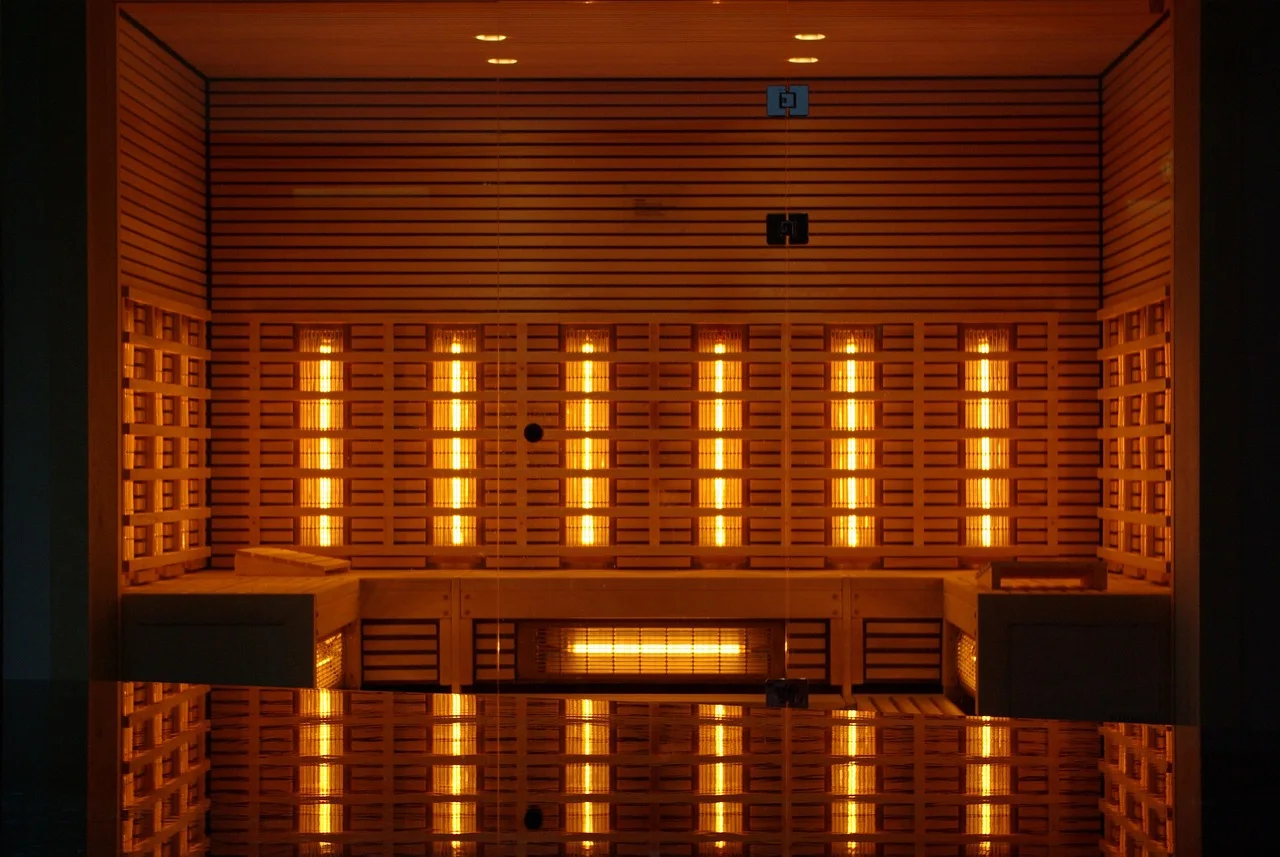
3. "Infrared is healthier than traditional sauna"
Verdict: Wrong on health, partially right on tolerability.
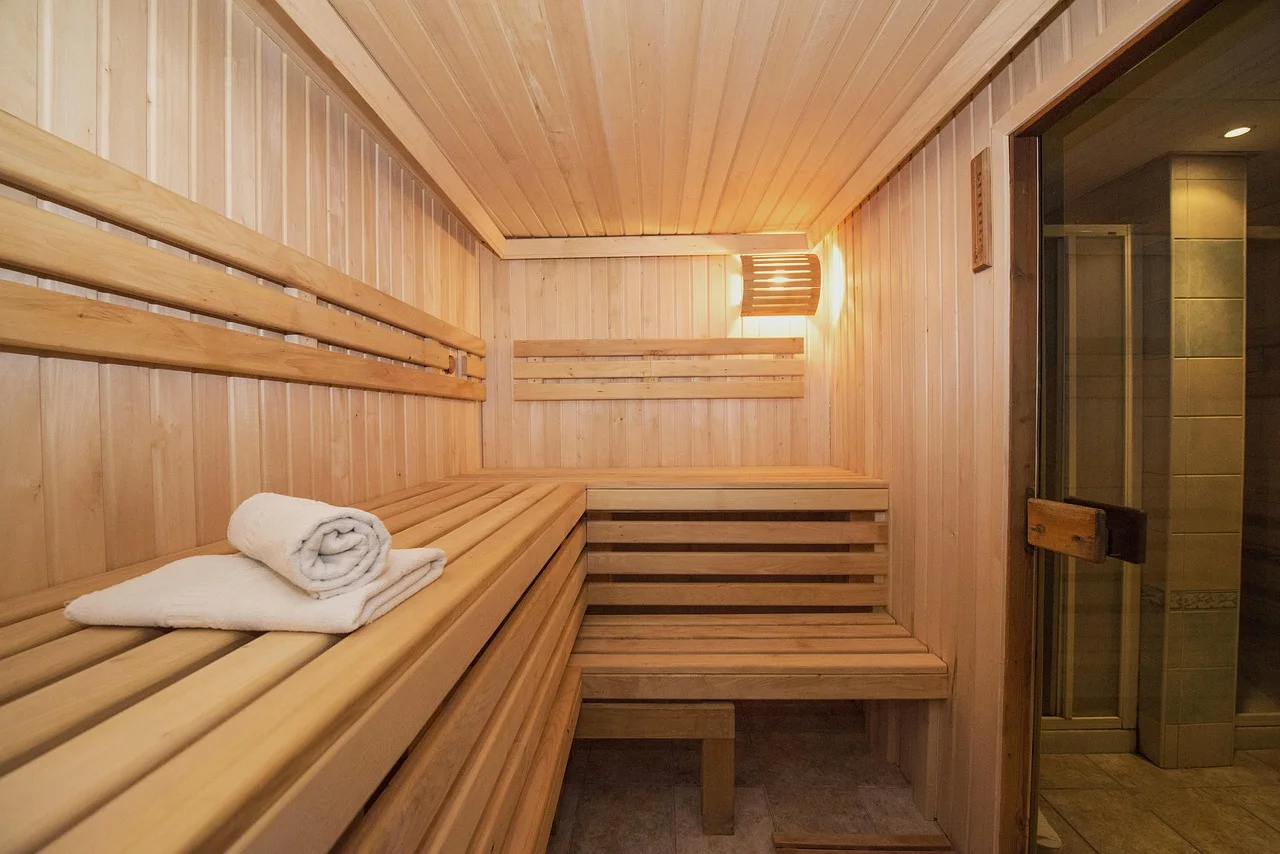
The Finnish KIHD studies that produced most of the cardiovascular and longevity findings used traditional Finnish-style saunas at 80–90°C. The thermal load that drives those adaptations is meaningfully smaller in infrared at 50–60°C. There is no comparable long-term outcome data on infrared, and the mechanistic load on the cardiovascular system is smaller.
What infrared is better for: people who can't tolerate traditional sauna temperatures (rosacea, certain medical conditions, individual sensitivity), home installation (smaller, cheaper, lower power requirements), and longer comfortable sessions for relaxation.
What it's not better for: cardiovascular benefit, longevity protection, dementia risk reduction, and most of the other outcomes the popular sauna literature focuses on. See our infrared vs traditional comparison for the detailed case.
4. "You should drink electrolyte solutions during sauna"
Verdict: Mostly wrong for normal use.
Most sauna sessions produce 0.5–1.0 kg of sweat losses with modest electrolyte loss. For a single session, plain water (or mild electrolyte solution if preferred) is fine and electrolyte replacement is not strictly needed. Aggressive electrolyte loading is unnecessary for typical sauna use.
The exception: athletes who use sauna 4–6 times per week as part of heat acclimation, on top of significant training sweat losses, may benefit from electrolyte replacement to prevent cumulative imbalance. For someone doing 3 weekly sauna sessions in normal conditions, plain water is right.
5. "Cold plunges after sauna are essential"
Verdict: Partially true.
Cold cool-down between rounds enhances the cardiovascular training effect and accelerates the post-sauna core temperature drop that drives sleep and recovery benefits. So cold contrast is meaningfully beneficial, not just cosmetic.
But "essential" overstates it. The Finnish KIHD cardiovascular data was collected on populations with mixed cool-down practices — cold showers, lake plunges, just air cooling. The cardiovascular protection accrued across all of them. Cold plunges amplify the effect; they don't gate it.
For people with cardiovascular conditions or hypertension, the abrupt vascular response to cold immersion can be risky. A cool shower delivers most of the benefit with much lower risk. Don't treat the cold plunge as mandatory if it's contraindicated for you.
6. "Sauna boosts your immune system"
Verdict: True with important limits.
Regular sauna use is associated with about 50% fewer common colds and 27% lower pneumonia incidence in the available data. The effect builds over 8–12 weeks of consistency and operates through acute immune cell mobilization, HSP-mediated effects, and improved respiratory mucosal defense.
The limit: this is "modest reduction in common upper respiratory infections in healthy adults." It is not "boosts your immune system" in any general sense, doesn't affect serious infections meaningfully, and doesn't help with autoimmune conditions or active illness. Don't sauna sick.
Our immune system guide covers the mechanisms in detail.
7. "Sauna releases endorphins like exercise"
Verdict: Roughly true.
Beta-endorphin elevations have been measured after sauna sessions, with magnitude similar to moderate-intensity exercise. The post-sauna sense of well-being and relaxation has both endorphin and parasympathetic-shift components. The mood effect is real and reasonably well-mechanistically supported.
The caveat: the magnitude is comparable to a brisk walk, not a marathon. Treating sauna as "the equivalent of exercise" is the same overreach we covered for calorie burn. The mood effect is real; the metabolic effect is much smaller.
8. "Saunas are bad for your skin / dry your skin out"
Verdict: It depends on your skin and your post-session routine.
Healthy skin: regular sauna use over 8 weeks improves stratum corneum function and microcirculation in healthy adults. Net positive.
Sensitive, atopic, or rosacea-prone skin: heat exposure can worsen inflammation, trigger flares, and accelerate trans-epidermal water loss. Net often negative.
The key variable is post-session moisturization. Damp-skin moisturizer application within 5 minutes of leaving the sauna prevents the trans-epidermal water loss that otherwise causes the dryness complaint. Skip it and skin can suffer; do it consistently and most people see net benefit.
Our sauna and skin guide covers the details by skin type.
9. "Pregnant women should never sauna"
Verdict: Oversimplified.
Major medical guidelines recommend avoiding sauna in the first trimester due to neural-tube-defect risk from sustained core temperature elevation above 39°C. That part is well-supported.
But "never sauna while pregnant" is too blanket. Finnish clinical experience and cohort data support brief, mild sauna sessions in the second and third trimester for normal pregnancies in women with established sauna routines, under appropriate protocols. American and British guidance is more cautious and would generally recommend avoidance, but the avoidance is precautionary rather than evidence-of-harm-based for second and third trimester.
The honest version: talk to your obstetrician. Don't assume blanket prohibition or blanket permission. See our sauna while pregnant guide for the detailed comparison of guidance.
10. "Sauna is unsafe for people with high blood pressure"
Verdict: Wrong for stable hypertension; correct for unstable.
Stable, controlled hypertension on medication tolerates regular sauna use well, and the long-term Finnish data shows blood-pressure improvements from regular use over months. Sauna is not contraindicated and may actually help.
Unstable, uncontrolled, recently changed, or severe hypertension is a different category. Active or unstable hypertension warrants medical clearance before starting sauna use. So does aortic stenosis, decompensated heart failure, and recent cardiac events.
The blanket warning in many old guides reflected an oversimplification. The current evidence base supports a more nuanced picture: sauna is generally helpful for stable hypertensives and risky for unstable ones. Our blood pressure guide covers the detail.
11. "Naked is the only proper way to sauna"
Verdict: Cultural, not universal.
Finnish and German sauna traditions strongly prefer naked sauna for hygiene and cultural reasons. Estonian, mostly the same. Russian banya — gendered but with traditional minimal clothing.
But: Swedish public saunas often allow swimwear. Norwegian floating saunas typically allow swimwear. Icelandic public-pool saunas universally require swimwear. American and British facilities almost always require swimwear. The "naked is proper" claim reflects Finnish-German cultural specifics, not a universal sauna rule.
If you're in Finland or Germany at a traditional facility, follow the local convention (which is usually naked). Elsewhere, follow the local convention (which is usually swimwear). Treating one culture's conventions as universal is a misunderstanding.
12. "More heat is better"
Verdict: Wrong above ~95°C.
The dose-response curve for sauna's cardiovascular and longevity benefits flattens above roughly 90°C. Pushing into the 95–110°C range that some saunas reach doesn't add meaningful benefit and increases risk: more aggressive vasodilation, more pronounced post-session blood-pressure drops, higher dehydration, more cardiovascular strain.
The Finnish cohort users mostly bathed at 80–90°C with löyly. That's the temperature range the protective effects were measured at. There's no evidence that cranking the temperature above that produces incremental benefit, and there's some evidence that it produces incremental risk.
Same logic applies to session duration. The dose-response curve flattens past roughly 25 minutes per visit. Two-hour marathon sessions don't earn you anything the literature has documented.
A few honest mentions of things that are true
To balance the corrections:
- Sauna does support cardiovascular health at the population level over decades — see heart health guide.
- Sauna does improve sleep through the cooling-cascade mechanism — see sleep guide.
- Sauna does reduce dementia risk in the Finnish cohort data — see brain health guide.
- Sauna does help athletes through plasma volume expansion and heat acclimation — see athletes guide.
- The Finnish 4–7 sessions/week dose-response relationship is real and one of the cleanest in lifestyle-intervention epidemiology — see longevity guide.
These claims are well-supported. The pattern: the strong, citable benefits are about cardiovascular and brain adaptation over years, not about acute weight loss, detox, or other short-cycle outcomes that the marketing emphasizes.
Bottom line
A lot of what gets repeated about sauna is wrong, oversimplified, or overgeneralized. The actual evidence supports a smaller and more specific set of claims: cardiovascular protection, brain-health protection, modest immune benefit, real sleep effect, real athletic-recovery effect, indirect support for weight management. Most of these benefits build over months and years, not minutes. None of them substitute for exercise, diet, sleep, or other lifestyle basics — they complement.
Treat sauna for what it actually is: a real but modest cardiovascular-and-thermal-stress intervention, with clean evidence behind some claims and weak evidence behind others. The marketing has reversed those relationships in many places. Calibrate accordingly.
Browse the guides. Our longevity, heart health, routine, and safety tips guides go deeper on the claims that hold up. Browse listings when you're ready to start.