The Sauna and Ice Bath Routine That Actually Works
Combining sauna and ice bath is one of the most powerful wellness practices available. But the protocol matters. Here is the routine backed by research and Nordic tradition.
The sauna and ice bath combination — known variously as contrast therapy, hot-cold therapy, or the Nordic bath protocol — is one of the most studied wellness practices in the world. Nordic cultures have been doing it for centuries. Elite athletes have adopted it as a recovery standard. And urban wellness enthusiasts are discovering it in dedicated contrast therapy studios from London to Los Angeles.
The research is clear: done correctly, the sauna-ice bath combination produces health effects that neither practice achieves alone. The key word is "correctly." Here is the protocol that works.
What Qualifies as an Ice Bath?
In practice, most sauna venues offer cold plunge pools rather than literal ice baths. The distinction matters:
- Cold plunge pool (10–15°C): The standard at dedicated sauna facilities. Cold enough to produce the full physiological response. Accessible and safe for most healthy adults.
- Ice bath (4–8°C): More intense, used by athletes for specific recovery applications. Higher cardiovascular stress. Safe for healthy adults with appropriate acclimatisation.
- Natural cold water (0–10°C): Lakes, sea, rivers in winter. The most traditional and, for many practitioners, the most powerful version.
For the purpose of this guide, we use "ice bath" to refer to any cold immersion in water below 15°C.
The Correct Protocol
Before starting: Hydrate (500ml water), shower, do not eat heavily within 2 hours.
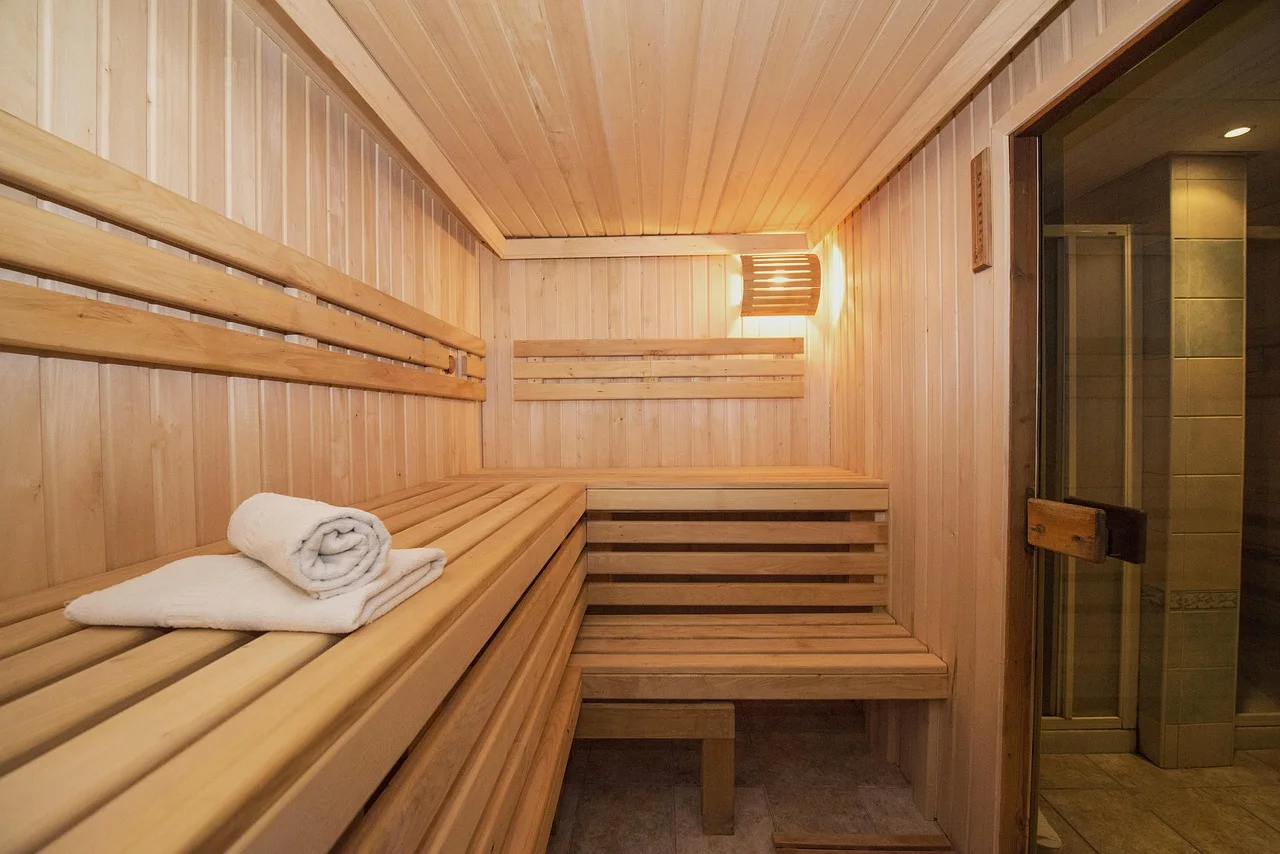
Round 1: Sauna — 10–15 minutes Enter the sauna at 80–95°C. Sit on a middle bench to start. Breathe slowly. Allow the heat to do its work. The goal is to raise your core temperature significantly — you should be sweating freely by minute five.
Cold immersion — 2–4 minutes Exit the sauna and enter the cold plunge or ice bath. For your first round, 2 minutes is the target. As you acclimate over multiple sessions, build to 3–4 minutes.
The first 30 seconds are the hardest. After that, the body adjusts. Your breathing will be fast and shallow initially — work to slow it deliberately. The cold is always a choice, made again every second you stay in.
Rest — 10–15 minutes Come out of the cold water, dry off partially, and sit or lie in a warm relaxation area. Drink water. Allow your heart rate and breathing to return completely to baseline.
Round 2: Sauna — 12–15 minutes Return to the sauna. You can go slightly higher on the bench this time. Your body is acclimatised and can tolerate more. Allow a löyly if available — the steam burst amplifies the heat effect.
Cold immersion — 3–5 minutes Your second cold immersion should be longer than the first. Your thermal load is higher after two rounds, making the contrast greater. This is where the largest norepinephrine spike occurs.
Rest — 10–15 minutes Full rest again. You will notice that your body warms significantly during this rest phase — a sign that your thermogenic response is active.
Optional Round 3: Sauna — 10–12 minutes For experienced users. The third round is shorter than the second — your body has done significant work and does not need the longest heat exposure.
Final cold immersion — 4–6 minutes The critical step. End on cold. This is non-negotiable for maximising the metabolic and mood benefits of the session. The dopamine and norepinephrine elevation, the brown fat activation, the parasympathetic dominance — all peak when the session ends with cold.
Recovery — 20–30 minutes minimum Do not rush the post-session recovery. Rest, hydrate, eat something light. The full neurochemical effect builds over the 20–60 minutes following a complete session.
The Weekly Minimum for Results
Dr. Søberg's research identified approximately 11 minutes of cold water immersion per week as the minimum effective dose for metabolic benefit. Across three sessions:
- Three sessions/week × 4 minutes cold = 12 minutes. You are over the minimum.
- Two sessions/week × 6 minutes cold = 12 minutes. Same result.
Pair each cold immersion session with at least two sauna rounds for the contrast effect.
Common Mistakes
Ending on heat: The most common error. Ending on sauna blunts the cold-triggered metabolic benefits. Always end cold.
Staying in the cold until it becomes dangerous: The point is physiological stimulus, not endurance competition. Exit if you experience chest pain or extreme shortness of breath.
Skipping the rest phase: The rest phase is where the parasympathetic recovery happens. Rushing between sauna and cold without adequate rest prevents the full adaptation.
Going too cold too soon: If you have never done cold immersion, start with a cold shower (30 seconds), progress to 1 minute in a cold plunge, and build up over weeks. Jumping into a 4°C ice bath without acclimatisation is both uncomfortable and unnecessarily risky.
Done consistently, two to three times per week, the sauna and ice bath combination is genuinely transformative.
Frequently asked questions
How long should the cold portion be? For most people, 30 seconds to 3 minutes at 10–15°C is the working range. Beginners start at 30 seconds and add 15 seconds per session as tolerance builds. Going longer than 5 minutes adds risk without adding meaningful benefit for most goals.
How many cycles per session? Two to three rounds of sauna→cold is the sweet spot for both recovery and the autonomic shift the contrast trains. More than four rounds typically produces accumulated fatigue rather than additional benefit.
Is the order important? Yes — sauna first, then cold. Reversing the order produces a different physiological response and doesn't replicate what the Finnish and Norwegian cohorts who showed long-term benefit were doing. Start hot, end cool.
Does it work for everyone? Cardiovascular conditions, Raynaud's, cold urticaria, and pregnancy are real contraindications. Get cleared by a physician if you have any of these before starting a contrast routine.
Related reading
For the deeper science of why this works: The Science Behind Cold Plunging After Sauna. For athletic-recovery specifics: Sauna for Athletes. For the autonomic mechanism: Sauna and Stress.