How to Build a Home Sauna in 2026: Costs and Choices
A €5,000–€10,000 home sauna is one of the better wellness investments. The decisions that matter: stove quality, insulation, ventilation, type, location.
The home sauna market is in a strange place. The DIY end is dominated by Finnish and Estonian brands that have been making the same product for fifty years and assume you know what you want. The mid-market is dominated by infrared cabin imports that often promise things they don't deliver. The high end is dominated by builders who'll quote you €30,000 for a project you could do for €8,000 if you knew which corners are safe to cut.
The result is that anyone shopping for a home sauna for the first time spends a lot of time being marketed to and not much time being told the actual decisions that matter. This guide tries to flatten that — what the real choices are, where money is well-spent, where it's wasted, and what the realistic budget ranges look like in 2026.
This isn't a step-by-step build manual; if you're cutting cedar and wiring 240V circuits, you'll need detailed plans. It's the prior decision layer: should you build, where should it go, what type, and what should you reasonably expect to pay.
The first real question: traditional or infrared?
This is the decision that drives almost every other choice. Get it right and the rest of the project becomes clearer; get it wrong and you'll be selling the unit on Marketplace within two years.
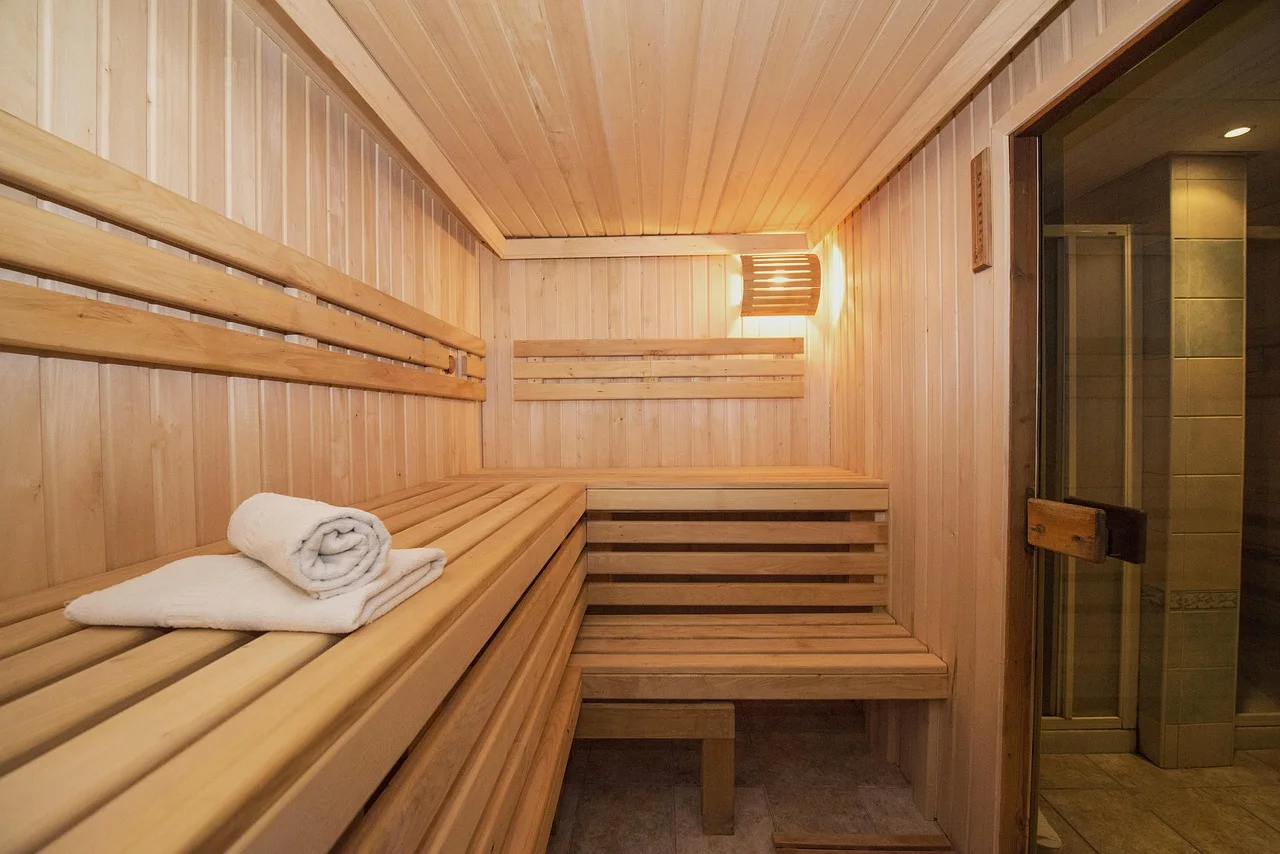
Traditional Finnish sauna heats air to 80–100°C with a wood-fired or electric stove and stones. You pour water on the stones for steam (löyly). The cardiovascular and longevity evidence in the published literature is built on this format. The session feel is intense, social, and ritualistic. Heat-up time is 30–45 minutes. Power draw on an electric model is 4–9 kW.
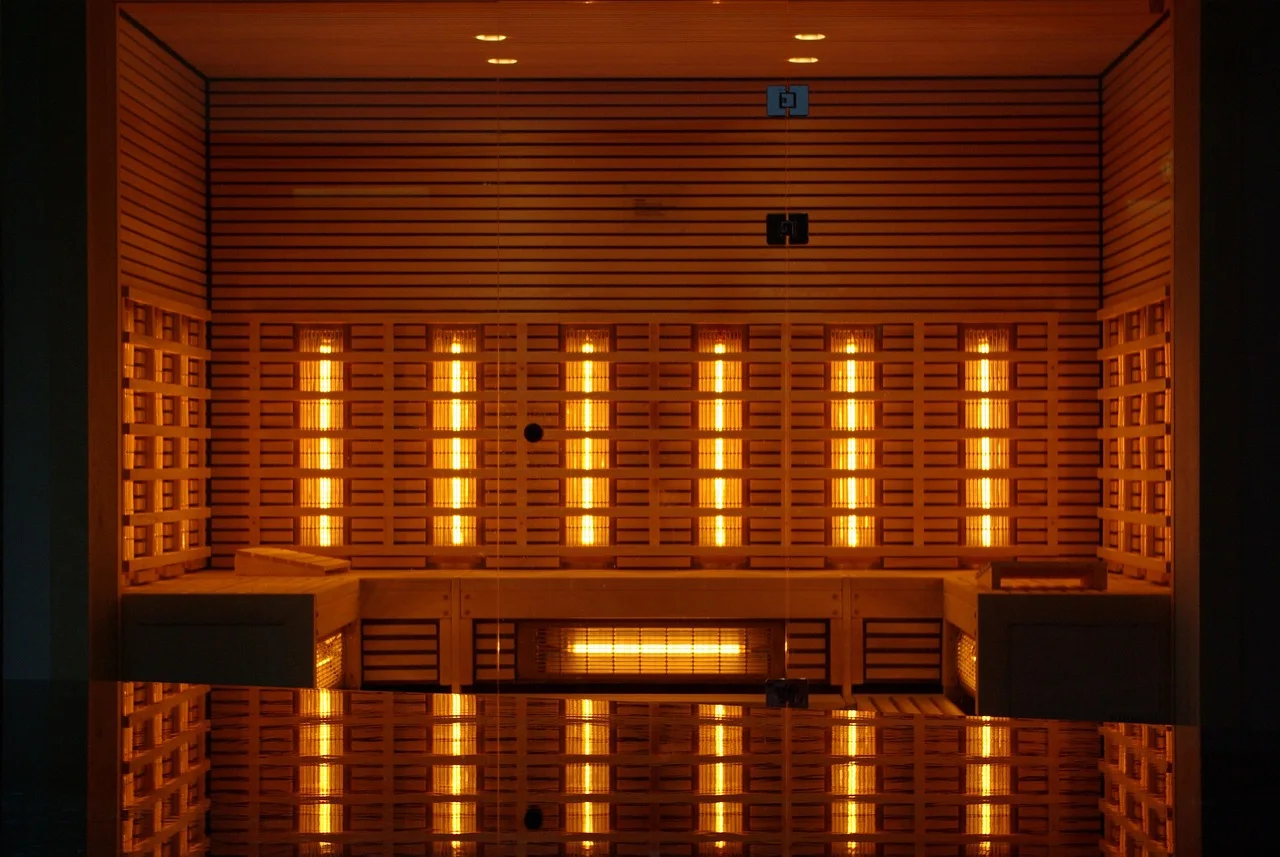
Infrared sauna heats your body directly with infrared radiation while leaving the air at 50–60°C. Sessions are gentler and longer. Heat-up time is 10–15 minutes. Power draw is much lower (1.5–3 kW), often plug-in 110V/120V, no special wiring. The published evidence base is thinner than traditional, particularly for cardiovascular outcomes.
The honest decision tree:
- If you have access to 240V power (or a wood-fired option for outdoor builds), reasonable space, and want the cardiovascular and longevity benefits the research actually supports → traditional.
- If you're in an apartment, on a standard 120V circuit, want fast heat-up and lower running costs, or want longer comfortable sessions you can read or meditate in → infrared.
- If you're unsure, infrared is the safer first purchase — lower commitment, less destructive to install, easier to resell.
We've covered the broader comparison in our infrared vs traditional guide.
Where to put it
Location decisions in rough order of cost and complexity:
1. Indoor finished space (basement, spare room, large bathroom). The most common option. Infrared cabins fit easily; traditional saunas need ventilation and waterproofing considerations. Budget impact: low. Construction impact: minimal for a prefab cabin; significant if you're framing in place.
2. Garage or unfinished basement. Easier from an installation perspective because you don't worry about water damage to existing finishes. Slightly harder for ventilation. Common DIY choice.
3. Outdoor freestanding (cabin/garden). The most architecturally satisfying option, particularly with wood-fired stoves. Requires permits in many jurisdictions, weather-resistant construction, and either electrical or chimney work. Budget impact: significant. Worth it for serious users with yard space.
4. Existing bathroom conversion. Sometimes works for small infrared units; more often a compromise. Steam from traditional units affects existing bathroom finishes.
5. Wet room / dedicated sauna suite. The custom-build approach. Bespoke design, integrated showers and changing area, professional installation. €15,000–€50,000+ depending on finishes. Worth it for serious users in custom homes.
For first-time buyers, option 1 or 2 is almost always the right starting point. Option 3 becomes attractive when you've established that you'll actually use the sauna and want a more committed setup.
Prefabricated cabin or custom build?
Both options exist at most price points; the trade-offs are real.
Prefabricated cabins (the IKEA-of-saunas option) ship flat-pack from Finnish, Estonian, German, or increasingly Chinese manufacturers. You assemble in a few hours to a day. Quality ranges from genuinely excellent (Tylö, Helo, Harvia for traditional; Sunlighten, Clearlight for infrared) to questionable (lower-end Amazon imports). Budget €2,500–€8,000 for solid mid-range options.
Pros: predictable cost, fast installation, well-engineered ventilation and electrical, often better thermal performance than DIY. Cons: standard sizes only, less aesthetic control, ships disassembled (heavy and awkward).
Custom build in place uses cedar, hemlock, or aspen lumber, a separately sourced stove, and on-site construction. You control every dimension and detail. Budget €5,000–€15,000+ for a well-executed traditional sauna in finished space.
Pros: fits any space, full aesthetic control, often higher-quality wood, can integrate with existing structure. Cons: requires construction skills or contractor, longer timeline, easier to make ventilation or insulation mistakes, electrical work is non-trivial.
For first-time buyers, prefab is usually the right answer. The build quality of mid-range prefab cabins from established manufacturers has gotten genuinely good in the last decade. Save the custom build for the second sauna once you know what you actually want.
What a sensible budget actually looks like
In 2026 European and North American markets, realistic budget ranges:
€2,000–€4,000 (entry-level home).
- Plug-in infrared cabin, 1–2 person, prefab, standard finishes
- Or: small electric stove + DIY traditional cabin in existing space, basic cedar lining, 4–6 kW heater
€4,000–€8,000 (mid-range home).
- 2–4 person prefab traditional sauna with quality stove (Harvia, Helo, Tylö)
- 2–4 person prefab infrared with carbon-fiber heaters and chromotherapy
- Includes proper ventilation, basic install accessories
€8,000–€15,000 (premium home).
- Custom build with quality cedar/aspen, 4–6 person, top-tier stove with stone capacity for substantial löyly
- Bespoke infrared installation with professional-grade panels
- Outdoor garden sauna with wood-fired stove, basic shed-format construction
€15,000–€40,000+ (custom luxury).
- Architectural outdoor sauna, custom design, premium materials, integrated changing/shower areas
- Wet-room conversion with sauna, steam, plunge pool integrated
- Commercial-grade home installation
The midpoint — €5,000–€10,000 — is where most home builds settle and where you get the best price-to-quality ratio. Below €2,500, the build quality starts compromising real things (heater longevity, wood quality, thermal performance). Above €15,000, you're paying mostly for finishes and design rather than functional improvement.
The decisions that matter most
A short hierarchy of what to spend money and attention on, in order:
1. The stove (for traditional)
The most important single component. A good electric stove (Harvia Cilindro, Helo Magma, IKI, Tylö Classic) lasts 15–20 years with normal use. A cheap one fails in 3–5. The price difference is €600–€1,200 vs. €200–€400. Always buy the better stove. The math is obvious over the lifetime.
For wood-fired, the same logic applies — Kuuma, Iki, Harvia, Tulikivi. Quality stoves in this range run €1,500–€4,000.
Stone capacity matters for löyly. Look for stoves rated to hold 30–80 kg of stones. More stones means more stable heat and better steam.
2. Insulation and the vapor barrier
The single most-skimped detail in DIY builds, and the one that determines whether your sauna actually heats efficiently. Mineral wool insulation behind aluminum foil vapor barrier is the standard. Skip it and your heater runs at full draw forever; do it right and the heater cycles normally and the sauna feels much hotter at the same temperature.
3. Ventilation
Counter-intuitive: a sauna with proper ventilation (intake near the heater, exhaust opposite and high) feels hotter at the same temperature than a poorly ventilated one. The air movement keeps the löyly steam circulating. Most prefab cabins handle this; most DIY builds get it half-wrong.
4. Wood species
Cedar is the popular choice — light, doesn't warp, doesn't stain skin, natural antimicrobial properties. Aspen is the Finnish traditional choice — lighter color, less aromatic. Hemlock is mid-range. Pine is fine for benches but risks splinters and can stain. Avoid pressure-treated lumber anywhere inside the sauna.
5. Bench design
Two-tier benches, with the upper bench at 100–120 cm from the ceiling, are the Finnish standard. The geometry is what makes the sauna feel right — too low and the heat doesn't stratify properly; too high and you're limited in seating. Most prefab cabins get this right; check before buying.
6. Door
Tempered safety glass is the modern standard. Always opens outward (safety in case of fall inside). Wood doors are traditional and beautiful but warp and need maintenance. Glass is the practical default.
What not to spend money on
A few common splurges that don't deliver:
Chromotherapy / mood lighting. Costs €200–€800 extra on infrared cabins. Has no documented health benefit. If you want colored light, install it yourself with €30 of LED strips.
Bluetooth speakers and tablet integration. Sounds nice in a showroom; in practice, electronics in a 50–90°C room have shorter lifespans than the sauna itself.
Salt walls. Mineral salt panels marketed as "halotherapy." The biological claims are unsupported. Decorative if you like the look, but don't buy them as health features.
"Negative ion generators." Marketing without science. Skip.
Excessive number of infrared heaters. The marketing ratchet runs from "4-zone" to "12-zone" infrared coverage. Beyond 6–8 well-placed heaters, you're not adding meaningful exposure.
Premium woods you don't see. Spending extra on premium cedar for parts of the sauna that aren't visible (insulation framing, hidden bench supports) is waste. Save it for benches and visible interior surfaces.
Installation: DIY or professional?
The honest assessment by component:
DIY-friendly: Assembling prefab cabins (a weekend project for handy people). Adding insulation in an existing room. Most plumbing-free infrared installations.
Borderline DIY: Wiring 240V electric stoves (in some jurisdictions DIY-legal, often requires permit and inspection). Outdoor garden sauna construction with experience.
Professional only: New construction integration (custom wet rooms). Wood-fired chimney installation (fire code, insurance implications). Major electrical upgrades (240V to a basement that doesn't have it). Permitted outdoor structures in jurisdictions that require building permits.
When in doubt, get a quote. A licensed electrician's $500–$1,500 charge to wire a 240V heater is well-spent compared to the alternative of an underrated circuit, voided home insurance, or a fire.
Maintenance over the long run
A few patterns that extend sauna life:
- Air it out after use. Leave the door open for an hour. Prevents mold, prolongs wood life.
- Wipe benches down weekly. Sweat soaks into wood; routine cleaning prevents staining and odor.
- Stone replacement. Sauna stones break down over time. Replace every 5–7 years for electric, 3–5 years for wood-fired.
- Heater service. Electric heaters generally outlast their warranties. A service check every 5 years catches element wear before failure.
- Wood resealing. Most cedar and aspen don't need sealing but can benefit from a light food-grade mineral oil treatment every 2–3 years to prevent surface checking.
When a home sauna is actually the right choice
The honest cost-benefit question. If you take 2 saunas a week at a typical urban facility (€20–25 per visit), that's roughly €2,200/year. A €5,000 home sauna pays back over roughly 2.5 years if it replaces those visits. The math gets more attractive the more you use it.
But: it only pays back if you actually use it. Home saunas built on aspirational frequency ("I'll go four times a week!") frequently end up used once a week or less. Track your actual public-sauna usage for 6–12 months before committing. If you're going twice a week reliably and missing it on travel, you're a strong home-sauna candidate. If you're going twice a month and the appeal is intermittent, the public-sauna model probably remains the better choice.
Where to research before buying
A few practical research starting points:
- Manufacturer-direct. Harvia, Helo, Tylö, IKI for traditional; Sunlighten, Clearlight, JNH for infrared. Their websites are usually the most reliable spec sheets.
- Local dealers. A good local sauna dealer can bring more accumulated experience than any forum thread. Ask them what fails in the field and what they recommend buying.
- Sauna associations. The Finnish Sauna Society and the North American Sauna Society both publish buyer guides and have member directories of installers.
- Visit a few. Before committing to traditional vs. infrared specifically, visit 3–4 examples of each. The sensory difference is large enough that an hour in each will resolve the choice.
Bottom line
A well-executed home sauna at €5,000–€10,000 is one of the better wellness investments available, with the math working in your favor if you're already a regular sauna user and a payback window of 2–4 years. The decisions that matter most are stove quality, insulation execution, and ventilation — get those right and the rest is finishes. The decisions that matter least are mood lighting, salt walls, and electronics integration. Buy from established manufacturers, prefer prefab over custom for first builds, and resist the temptation to over-spec on cosmetics.
If you're not sure whether you'll use it enough to justify the investment, spend six months tracking public-sauna usage first. The data will tell you whether to build.
Browse public saunas first. See our listings to find places near you, or read our companion guides on the optimal routine and infrared vs traditional before committing.