German Sauna Culture: Aufguss, FKK, and Saunalandschaft
Germany has 30 million regular sauna users and the world's most developed public sauna culture. What you need to know before your first visit.
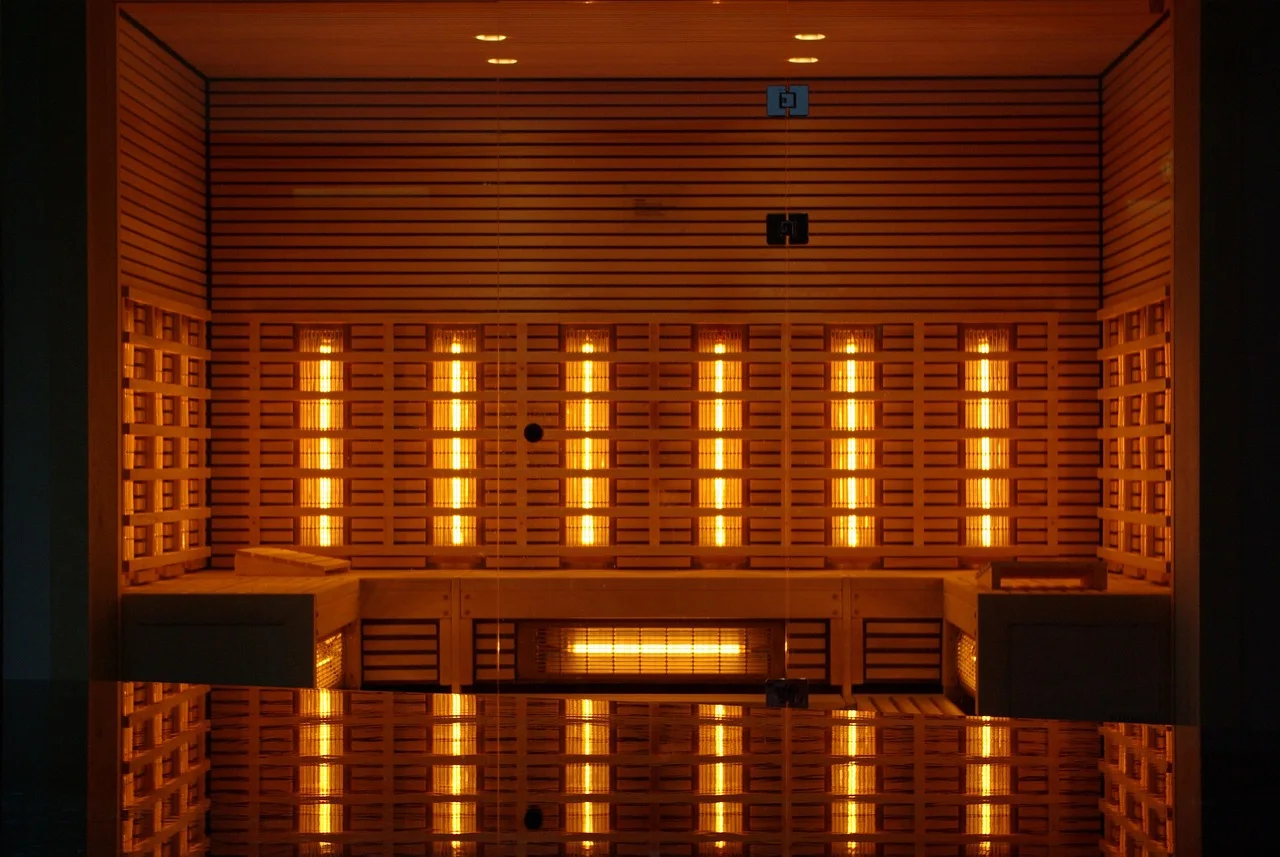
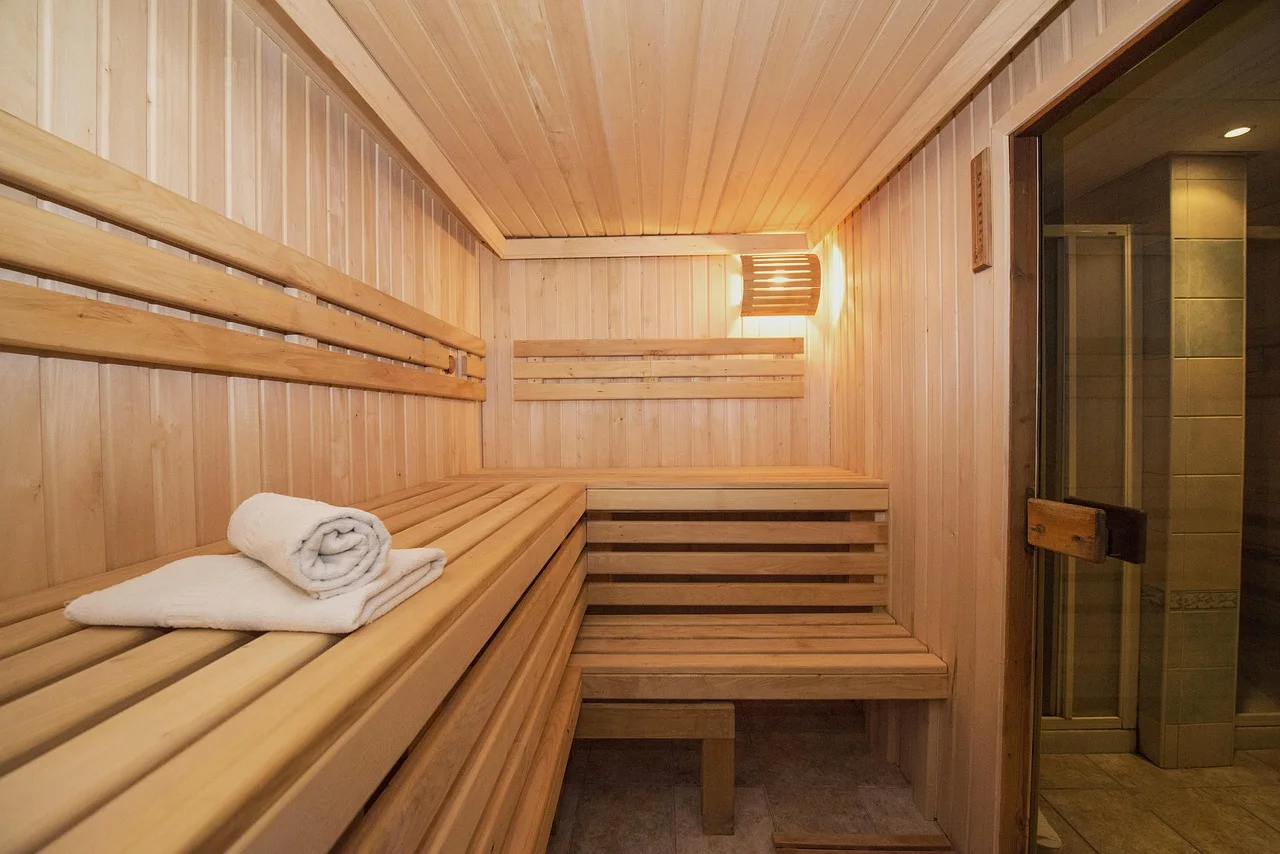
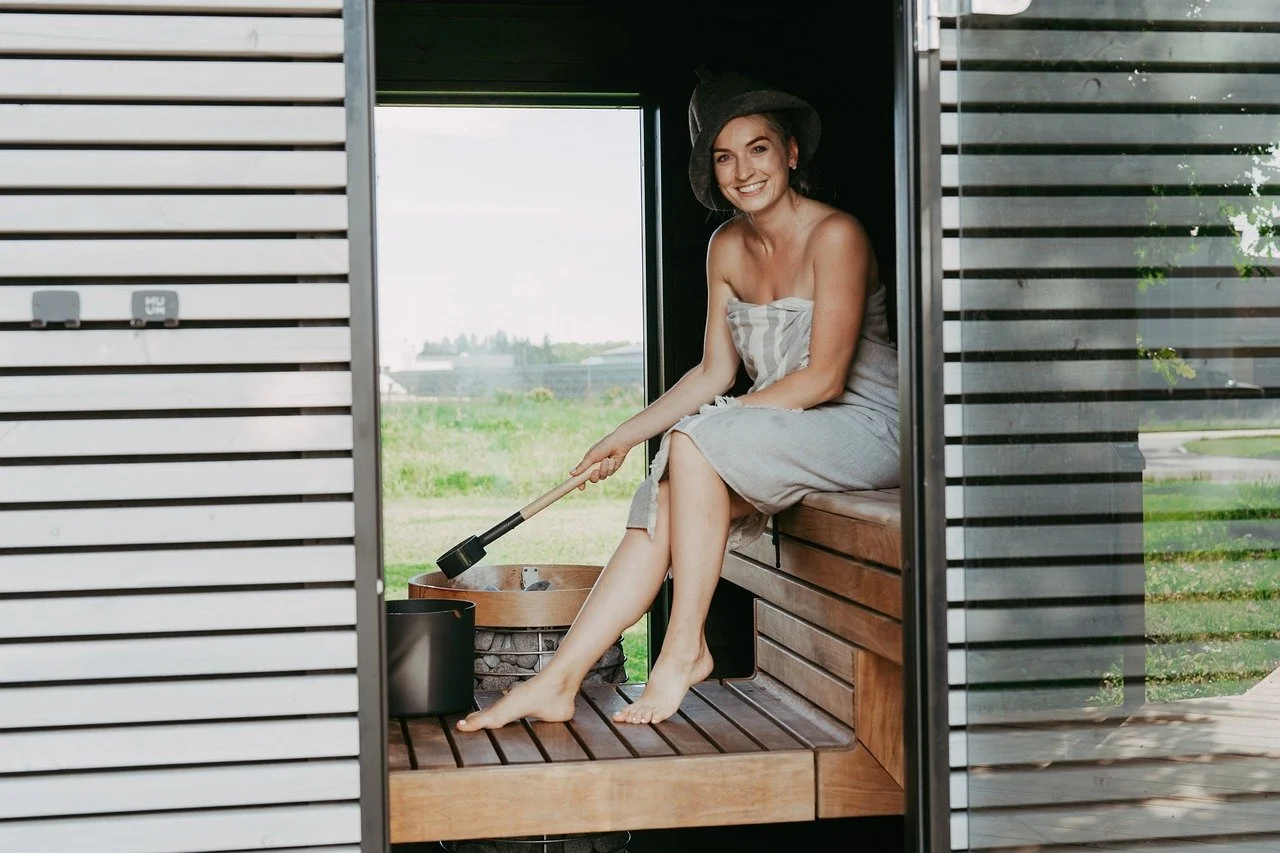
Most travel writing about sauna ends in Finland. That's a mistake. By absolute numbers, Germany has more regular sauna users than any other country on earth — roughly 30 million people who set foot in a public sauna at least occasionally. The cultural infrastructure is enormous: every town of decent size has a therme, every public swimming pool has a sauna wing, and the country invented a small industry of professional sauna performers whose entire job is choreographing 12-minute heat-and-aroma rituals to music.
If your sauna model is "small wood-paneled room, sit quietly, leave when you've had enough," German sauna culture will surprise you. It is louder, larger, more public, and considerably more naked than what most newcomers expect.
This is what to know before your first visit.
How big German sauna culture actually is
Finland gets the publicity, but Germany does the volume. The Deutscher Sauna-Bund — yes, there is a federal association — counts roughly 2,300 public sauna facilities across the country. The number rises if you include hotel and gym saunas; the trade group's 2022 estimate was that Germans collectively log about 175 million sauna visits per year.
That density shapes how the culture feels. In Finland, most sauna happens in private homes and summer cottages. In Germany, it's overwhelmingly public — and not in a "spa membership" sense, but in a "the local pool has nine different saunas attached" sense. A surprising number of mid-sized German cities have multi-hectare thermal complexes that combine swimming, sauna, restaurant, and garden into a single all-day experience.
The infrastructure has consequences. German sauna culture is more standardized, more codified, and more performative than its Nordic counterparts. It has rules. It has staff. It has show times.
The naked truth: FKK and why nudity isn't optional
The single most-asked question by first-time visitors: do I really have to be naked?
Yes. In almost every public sauna in Germany, yes.
This is Freikörperkultur — "free body culture" — the German tradition of textile-free public bathing, which dates back to early 20th-century reform movements and never really faded. Inside the sauna, swimwear is not just optional; it's prohibited. Most facilities will explicitly tell you, often on a sign at the entrance, that synthetic fabrics in the heat are unhygienic, can release chemicals, and obstruct sweating. The hygiene argument is real. The cultural argument is older.
A few practical consequences:
- Bring a towel, sit on it. This is non-negotiable everywhere. Skin must not touch the wood. Most facilities will hand you a small towel for additional drying and a large one for sitting.
- Mixed-gender is the default. Saunalandschaften are almost always co-ed inside the sauna rooms themselves. Women-only days exist (often one weekday per week — check the schedule), but they're an exception.
- Modest robes between rooms. Most people walk between sauna rooms, the cooling area, and the outdoor section in a robe or wrapped in a large towel. You don't need to be flagrantly nude in transit, just in the heat itself.
- Photography is universally banned. Phones in the sauna areas are not just impolite, they're often grounds for ejection.
Cultural visitors sometimes find this stressful for the first ten minutes and irrelevant for the next two hours. The sauna scenes in Berlin, Munich, and Hamburg all run on the same convention. Trying to negotiate around it as a tourist generally doesn't work.
Aufguss: the German performance-art sauna ritual
If FKK is the culture's most-asked question, Aufguss is its most-loved tradition — and the part that most distinguishes German sauna from anywhere else.
An Aufguss (literally "infusion") is a scheduled, staff-led sauna ceremony that runs roughly 10–15 minutes inside one of the hot rooms. The sauna master (Aufgussmeister) ladles water mixed with essential oils onto the stones in measured pours, then waves a large towel — or in elaborate setups, multiple towels and even fans — to circulate the steam-laden air through the room. The intensity climbs in stages. By the third or fourth pour, the heat is significantly more aggressive than the room would otherwise feel.
What makes it distinctive
Three things separate Aufguss from a pour-water-on-stones session anywhere else:
- It's choreographed. Sauna masters at competitive facilities train for years. The towel work is not just heat distribution — it's a performance. There are world championships.
- It's themed. A typical schedule might list "Birch & Honey," "Alpine Pine," or "Summer Citrus" Aufguss sessions throughout the day, each with a corresponding aroma blend and sometimes a soundtrack.
- There are rules. Latecomers can't enter mid-Aufguss. You don't leave until it ends, unless you genuinely need to. You sit, you sweat, you take what's coming.
"An Aufguss is the difference between watching a film and watching a play. The sweat is the same. The atmosphere is not." — Saunalandschaft feature, Süddeutsche Zeitung, 2022
What to expect at your first one
Show up 5 minutes early. Find a spot lower on the bench if you're heat-sensitive — the top row is significantly hotter. Sit on your towel, breathe through your nose, and don't try to talk. The pour-and-wave cycle will repeat 3–5 times. By the fourth pour, many first-timers are at their limit; that's fine. You can leave at the natural break between pours, but not during one.
When the master finishes, there's typically a round of soft applause — yes, you applaud the sauna performance — and the room files out. Cool down properly afterward; this is the highest-intensity exposure most facilities offer.
Saunalandschaft: Germany's wellness landscape model
The German word Saunalandschaft — sauna landscape — describes the country's signature facility format. It is not one sauna. It is six to fifteen saunas of different temperatures, styles, and themes, arranged across a campus that includes pools, relaxation lounges, gardens, and a restaurant. You buy a single ticket, change into a robe, and roam.
A typical Saunalandschaft might include:
- A traditional Finnish sauna at 90°C
- A milder bio-sauna at 60°C with high humidity
- An outdoor Erdsauna (earth sauna) built into a hillside or wood structure
- A salt-air room
- A steam bath (Dampfbad) at 45°C
- A textile-mandatory "wellness" sauna for those uncomfortable with FKK
- A cold plunge pool, ice fountain, and outdoor showers
- A Ruhebereich — silent rest area with loungers and blankets
The expectation is that you stay for hours, not minutes. A typical visit runs 4–5 hours; serious enthusiasts plan whole days. Eating is built in: most facilities have a robe-friendly restaurant inside the sauna zone where you order between sessions.
This is the format you'll find at Therme Erding outside Munich, the Caracalla and Friedrichsbad in Baden-Baden, the Köln thermals, and dozens of facilities across Dresden, Karlsruhe, and Leipzig. It is also the model exported across Europe — the modern thermal complexes you find in Slovenia, Hungary, and Switzerland are mostly German-influenced.
Where to actually go
A few destinations stand out, depending on what you want.
Baden-Baden — The historic answer. The Friedrichsbad is a 19th-century Roman-Irish bath house with a fixed 17-station ritual. The neighboring Caracalla Therme is the modern Saunalandschaft. Both run on FKK; the Friedrichsbad alternates men's, women's, and mixed days depending on the schedule.
Bad Kissingen — A classic German Kurort (cure town). Less crowded than Baden-Baden, more focused on the wellness-treatment side. Good for a slow weekend.
Berlin — The largest sauna scene in any German city, partly because of population, partly because Berlin took to FKK culture early and hard. Vabali Spa is the showpiece — Bali-themed, two locations, full Saunalandschaft format. The city has more than 50 listings on our directory alone.
Therme Erding (near Munich) — Often described as the world's largest sauna complex. 35 saunas, water park, palm trees. It is enormous, sometimes overwhelming, and worth seeing once.
Hamburg — Strong sauna culture with a North Sea twist. Several waterfront facilities and a respected Aufguss community.
Dresden and Karlsruhe — Less touristed, very local-feeling. Good if you want to see the form practiced by Germans rather than alongside them.
How to behave
A short etiquette list, in priority order:
- Be quiet. German saunas are not talking spaces. Whispering between rounds in the cool-down area is fine. Conversation inside the heated rooms is not.
- Sit on your towel. Including your feet. No bare skin on wood.
- Shower before entering. Soap-shower, not a quick rinse. Then dry off — entering wet ruins the humidity for everyone.
- Don't wear swimwear inside the sauna. Even if you're uncomfortable, fake it for the duration of the session. Swimwear-tolerated facilities exist but are clearly labeled.
- Don't pour your own water on the stones unless invited. This is the Aufgussmeister's job during scheduled times; outside those times, the convention varies by facility — watch what others do.
- Phones stay in the locker. Always.
- Robe in the rest areas. Nudity belongs in the sauna and the immediate cool-down. In the Ruhebereich and restaurant, robe up.
Get these right and you'll blend in. Get them wrong and a regular will, with characteristic German directness, tell you so.
Why it matters
The German model is the world's most developed public sauna culture. Where Finland's tradition is intimate and domestic, Germany's is civic — it treats sauna as infrastructure, like libraries or pools, something a town should provide for its citizens to use weekly. That public-good framing is why Germany ended up with thirty million regular users, the world's most elaborate sauna performance tradition, and a federal trade association that publishes annual statistics on sweat.
For a visiting sauna enthusiast, a German Saunalandschaft is one of the few places on earth where you can spend an entire day moving between heat experiences and never repeat the same one twice. The cultural rules can feel sharp at first. Once you've watched an Aufgussmeister bring a 90°C room to a roaring climax and lead two hundred naked strangers in soft applause, the rules will make a lot more sense.
Plan a visit. Browse our German listings for hotels and standalone saunas across the country, or start your trip in Baden-Baden, Berlin, or near Munich.