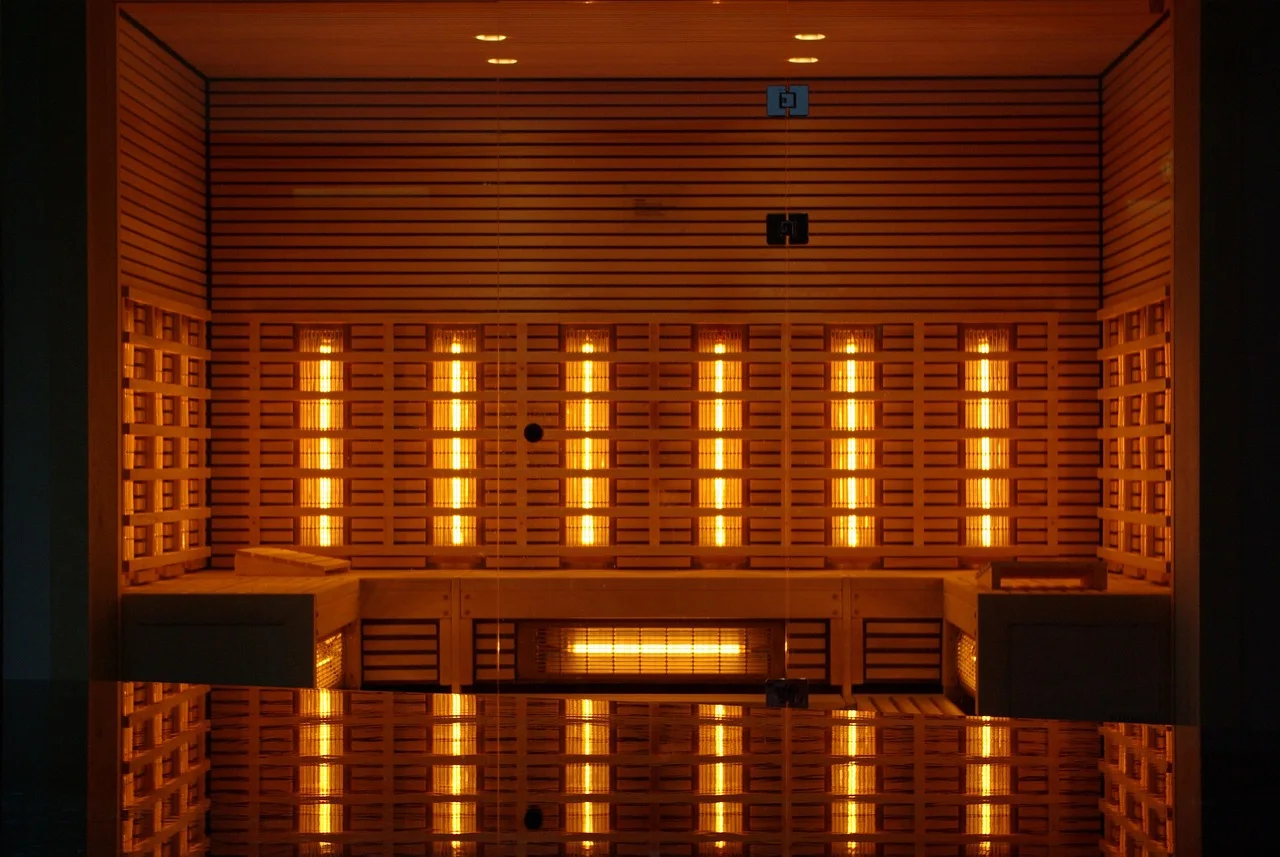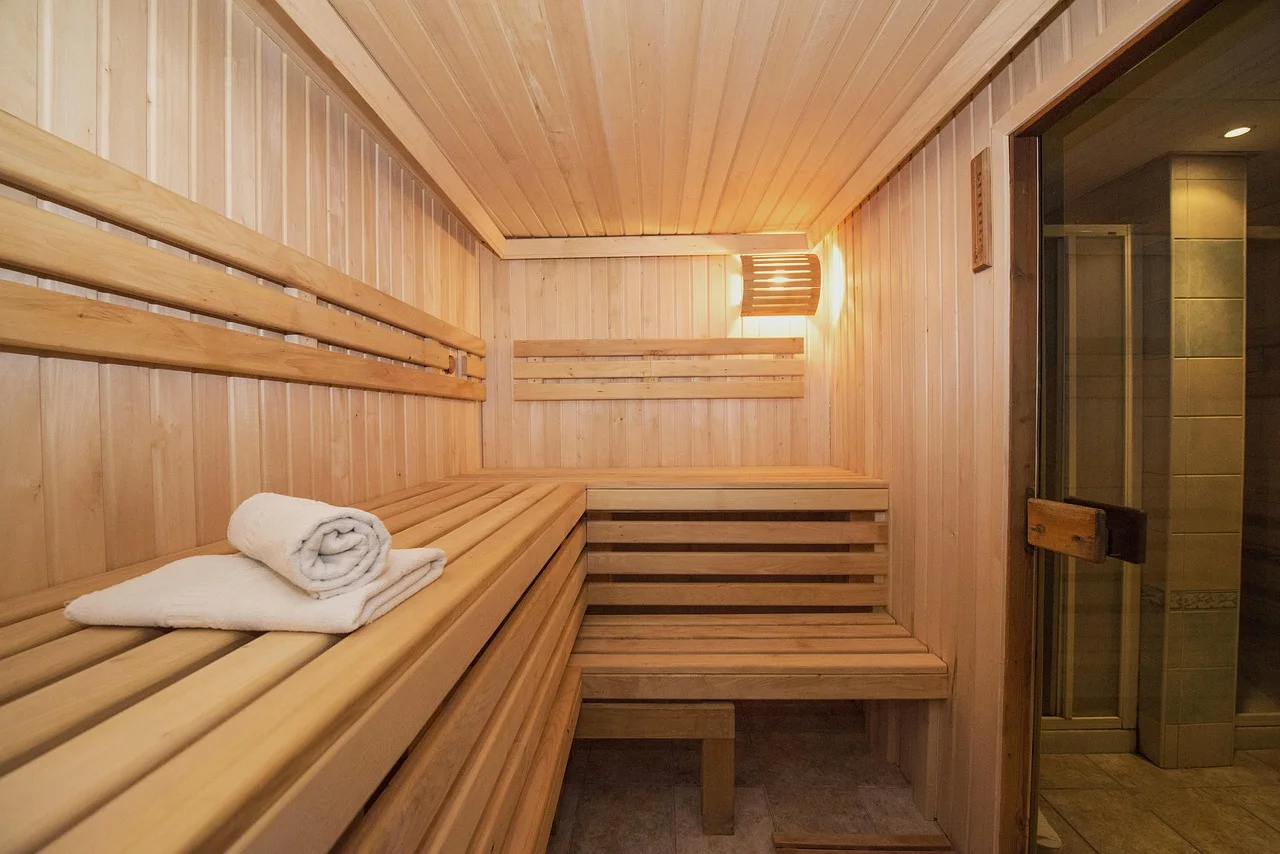
The Science Behind Cold Plunging After Sauna
What the hot-cold contrast cycle actually does — vascular training, norepinephrine release, HRV gains. The mechanism, the dosage, and the cautions.
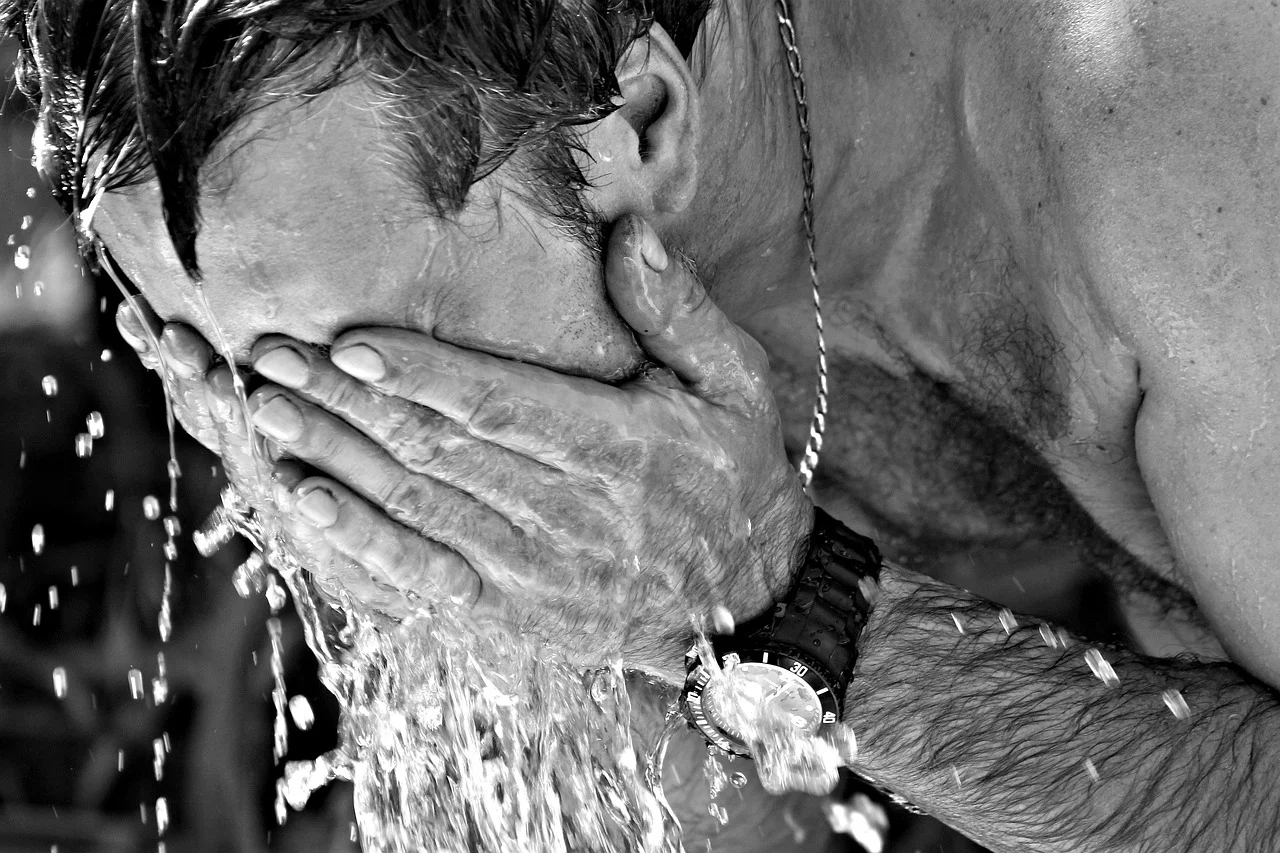
The hot-cold contrast cycle has been the defining ritual of Finnish bathing for as long as the practice has been recorded. Sauna, then ice-cold water, then sauna again. Until recently, this was understood as cultural rather than physiological — something Finns did because Finland is cold and lakes are abundant. The last fifteen years of research have changed that. Cold plunging after sauna is now one of the more interesting topics in cardiovascular physiology, recovery science, and metabolic health.
This guide walks through what the contrast cycle actually does to your body, where the popular health claims overshoot the data, and how to think about your own routine.
The acute physiology of the hot-cold cycle
The interesting science isn't in the heat alone or the cold alone — it's in the contrast. Sauna at 80–90°C produces dramatic peripheral vasodilation, doubled cardiac output, and a sustained sympathetic activation that spills into a parasympathetic rebound on exit. Cold immersion at 5–15°C produces the opposite — sharp peripheral vasoconstriction, a transient blood-pressure spike, and a sympathetic catecholamine surge much more aggressive than what sauna alone produces.
Stack them in sequence and you get something neither produces in isolation: rapid alternation between vasodilation and vasoconstriction across the entire peripheral vasculature, multiple times per session. The cardiovascular system gets trained on response speed in a way that no single-modality exposure produces.
Several specific effects are well-documented:
Norepinephrine release. Cold immersion at 14°C for 1 minute produces about a 200–300% increase in plasma norepinephrine. This effect is rapid (peaks within 5 minutes), sustained for an hour or more, and dose-dependent on cold intensity. Norepinephrine is implicated in mood elevation, focus, and metabolic activation — and it's part of why post-plunge users describe an "alert calm" that's distinct from the post-sauna parasympathetic state.
Brown adipose tissue activation. Cold exposure activates brown fat (BAT), the metabolically active fat tissue that burns calories to produce heat. Repeated cold exposure over weeks increases BAT volume and thermogenic capacity. This is mostly meaningful for people with cold-tolerance training goals, not directly for weight loss.
Vagal tone improvements. Heart rate variability (HRV) — the standard measure of parasympathetic tone — typically increases significantly after the hot-cold cycle, more than after sauna alone. This carries over into the next several hours and, with consistent practice, into baseline HRV improvements.
Inflammation modulation. Cold immersion produces a transient anti-inflammatory effect via reduced inflammatory cytokines and modified macrophage activity. The effect is real but small per-session; the cumulative benefit over weeks of regular use is more meaningful than any single exposure.