Why Every Hotel Now Wants a Sauna (And What That Means for Guests)
From budget properties to five-star resorts, hotels across Europe and beyond are investing heavily in sauna facilities. The reasons are financial and cultural — and guests are the beneficiaries.

In 2015, a sauna in a hotel was a pleasant bonus — something you might find in a four-star Nordic property or a German spa hotel. Today it is becoming a baseline expectation. From converted city centre townhouses to mountain lodges to beach resorts, hotels across Europe are adding saunas at a rate that shows no signs of slowing.
The transformation is not accidental. It is driven by hard data on guest satisfaction, booking conversion, and revenue per available room — and by a generational shift in what travellers actually want from a hotel stay.
The Revenue Case Is Compelling
Hospitality consultants who have analysed sauna installation data across European hotels consistently report the same finding: properties with quality sauna facilities achieve higher average daily rates, better occupancy, and stronger direct booking rates than comparable properties without them.
The mechanism is simple. In an era of review-driven booking decisions, a genuinely good sauna generates disproportionately positive guest reviews. Phrases like "the sauna made the whole trip" appear regularly in the feedback of properties that have invested in the experience.
Sauna also generates direct revenue. An hour of sauna access priced at €20–€40, offered to both hotel guests and day visitors, adds measurable income. In properties where the sauna operation is sophisticated enough to offer Aufguss ceremonies, bookings, and guided sessions, the wellness facility becomes a genuine profit centre.
What Guests Are Actually Asking For
The shift began with guest feedback data. When hotel groups analysed what guests were requesting that properties could not provide, sauna consistently appeared in the top five. As booking platforms began allowing searches and filters for wellness facilities, properties with saunas saw improved search visibility and click-through rates.
Booking.com reported in 2024 that sauna was the third-most-searched wellness facility after pool and gym — and was growing faster than either. Among travellers aged 25–45, it ranked first.
The Nordic Model Spreads
The hotels leading this trend are often those that looked to Scandinavia for inspiration. Nordic hospitality has long understood that the sauna experience drives loyalty and word-of-mouth recommendation in ways that no amount of thread count or pillow menu selection can match.
What Scandinavian hoteliers knew intuitively, data now confirms: the sauna experience is disproportionately memorable. Guests who had an exceptional sauna experience at a hotel are more likely to return, more likely to recommend the property, and more likely to spend on ancillary services during their stay.
Types of Hotel Sauna
Not all hotel saunas are equal. The range runs from:
The token sauna — a small electric sauna in the basement, often overheated, poorly maintained, and clearly not a priority for the property. These exist to tick a box and add little value for guests or the hotel.
The integrated spa sauna — part of a broader spa facility, with proper heating, changing facilities, relaxation areas, and ideally some form of cooling (pool, cold plunge, or outdoor access). This is the standard at good four-star hotels.
The signature sauna experience — where the sauna is a designed, curated, and marketed experience. This might include a wood-fired sauna by the hotel pool, an outdoor sauna with direct sea or mountain access, or a private sauna suite for couples. At this level, the sauna is a reason to book the property, not an amenity discovered on arrival.
The destination sauna resort — where the entire property is built around sauna and wellness. These are most common in Scandinavia, Germany, and Austria, and represent the pinnacle of hotel sauna investment.
What to Look for as a Guest
When evaluating a hotel's sauna offering:
- Heat source: Wood-fired saunas deliver a superior experience to electric ones. Properties that specify this are usually serious about the experience.
- Temperature range: A proper sauna runs at 80–100°C. Anything below 70°C suggests poor maintenance or underheating.
- Cooling options: Access to a cold plunge, outdoor pool, or natural water body transforms the experience. A cold shower is a bare minimum.
- Operating hours: Some hotels have saunas available for only a few hours per day. Look for properties where sauna access is available mornings and evenings.
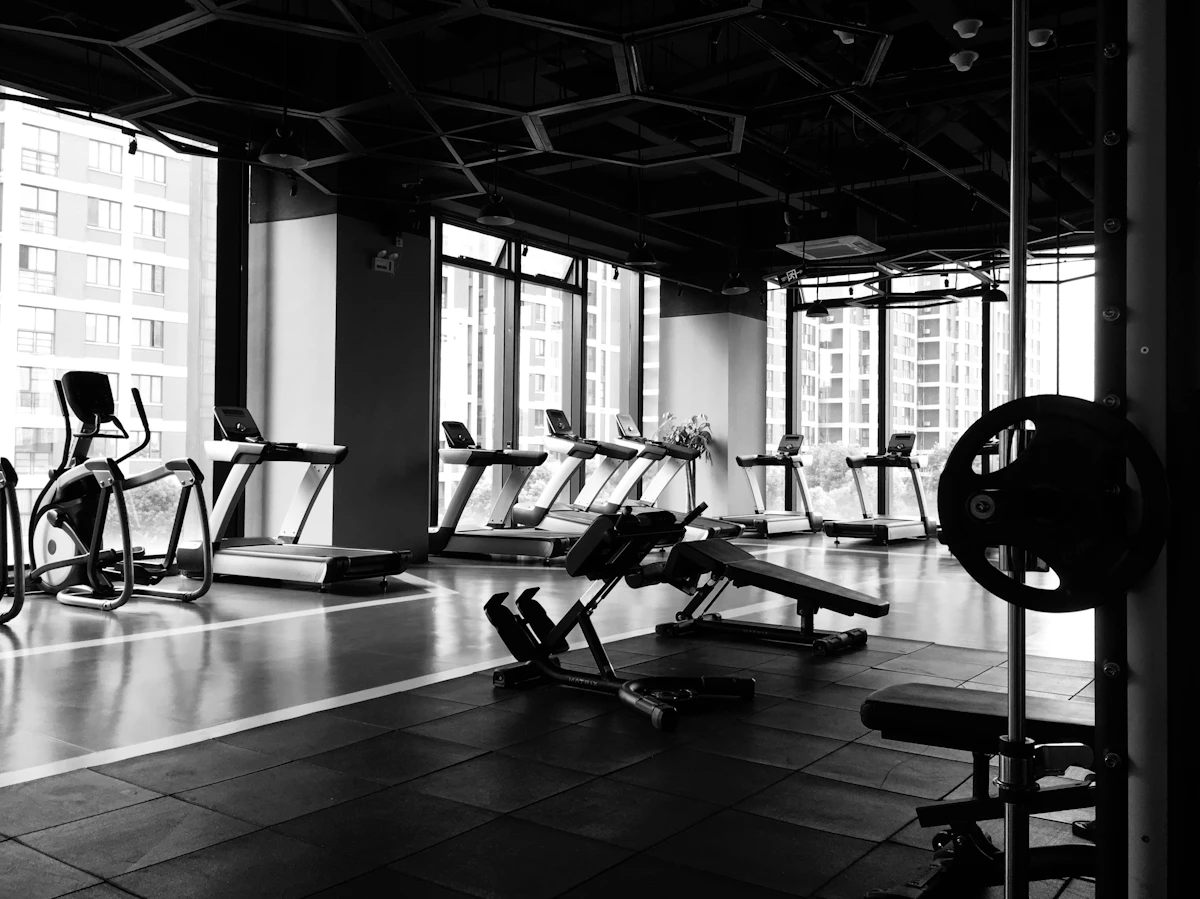
- Dedicated space: A sauna shared with the gym, crammed between treadmills, is rarely good. The best hotel saunas have their own space, their own changing facilities, and their own atmosphere.
The Future of Hotel Wellness
The hotels winning the wellness arms race are those that have understood a fundamental shift in guest values: after years of accumulating things, a growing number of travellers want experiences — and specifically, experiences that leave them feeling physically and mentally better than when they arrived.
A great sauna does exactly that. And unlike a great restaurant meal or a spa treatment, its effects last for days.
Frequently asked questions
Which hotels do this best? Among hotels we've curated in our directory, The Thief in Oslo, Sommerro in Oslo, Hotel Maria in Helsinki, and Nimb Hotel in Copenhagen consistently produce the most polished hotel-sauna experience.
What should I look for when booking? Three signals: a real Finnish or hammam sauna (not just a steam shower), some form of cold-plunge or contrast option, and explicit guest access without surcharge. Hotel websites burying sauna access behind paid spa packages is the warning sign.
How does this differ from a public sauna visit? Hotel saunas tend toward private and quiet. You get convenience and reliability; you give up the cultural atmosphere of a public Saunalandschaft or floating sauna. For a sauna-focused trip, mix one or two hotel-sauna days with public-facility visits.
Are these worth the price premium? For travelers who want the sauna built into the stay rather than as a separate excursion, often yes. For sauna purists, the hotel format is usually a complement rather than a substitute.
Related reading
The 10 Best Saunas in Helsinki, Stockholm, Oslo, Copenhagen, and Bergen cover the contemporary hotel-sauna scene by city.