Sauna Travel Is the Next Big Trend in Wellness Tourism
Wellness travel is booming. Within it, sauna tourism is growing faster than almost any other segment — driven by social media, scientific research, and a genuine hunger for analogue experience.
The wellness travel industry has produced a succession of trends over the past twenty years: yoga retreats in Bali, meditation centres in the Himalayas, detox resorts in Thailand, ayurvedic programmes in Kerala. Each trend reflected the concerns and aspirations of its moment.
Sauna travel reflects ours: a hunger for physiological reset, authentic cultural experience, social connection without screens, and the kind of deep rest that no amount of sleep seems to provide.
The Wellness Tourism Market
The Global Wellness Institute valued wellness tourism at $651 billion in 2022 — a sector that had recovered dramatically from its pandemic-era collapse and was growing at twice the rate of conventional tourism. By 2027, the market is forecast to reach $1.4 trillion.
Within this vast market, thermal and bathing experiences — of which sauna is the fastest-growing component — have emerged as one of the most dynamic categories. The shift is partly demographic: millennials and Generation Z, who now represent the largest segments of global travellers, are more likely to prioritise health-focused experiences than their predecessors.
Why Sauna Specifically?
Several factors have converged to position sauna as the defining wellness travel experience of the mid-2020s.
Scientific validation. The accumulation of research on cardiovascular, cognitive, and mental health benefits has given sauna a credibility that many wellness trends lack. When a traveller can cite peer-reviewed Finnish studies to justify their sauna holiday, the practice moves from indulgence to investment.
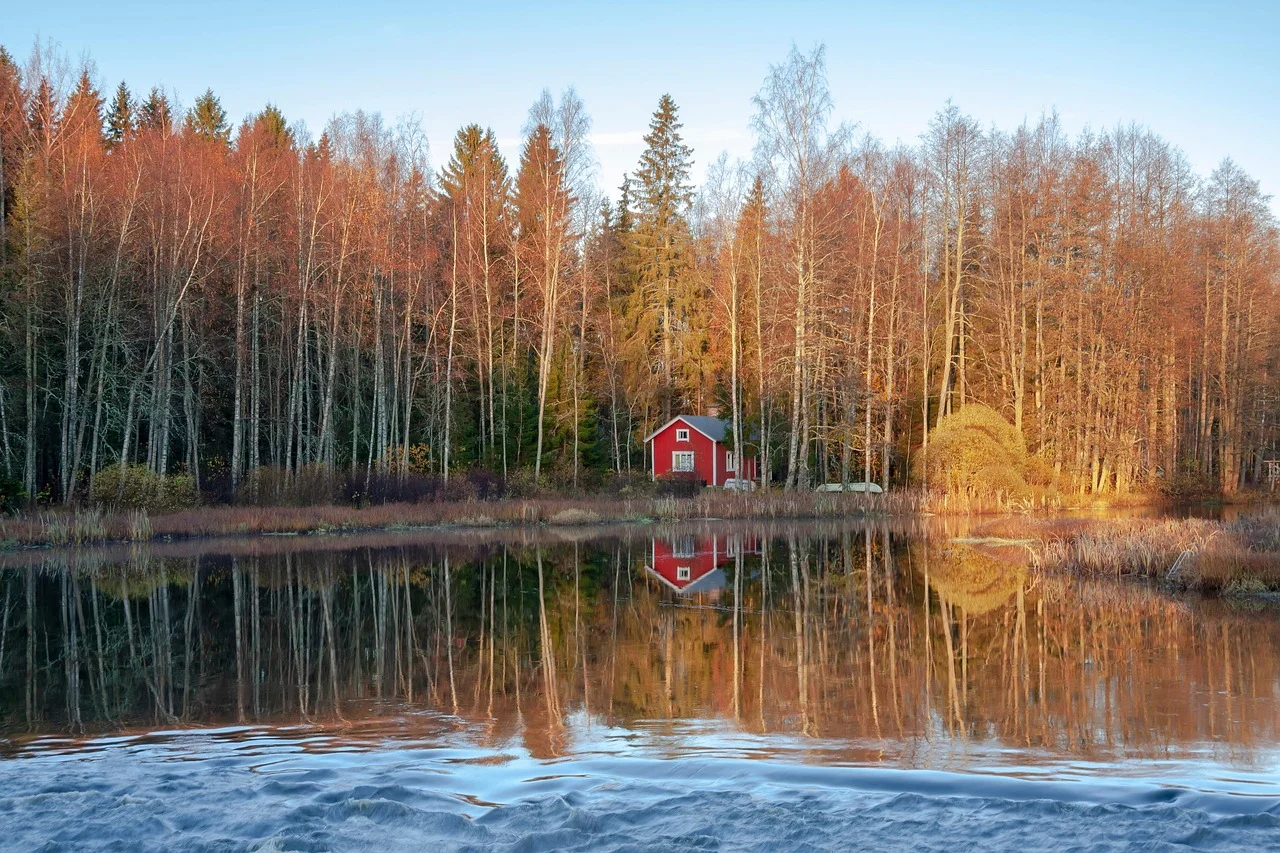
Instagram and TikTok. The visual drama of sauna travel — steam rising from a lakeside hut at dusk, bodies moving from hot sauna to frozen sea, Northern Lights visible through a glass-walled relaxation room — is exceptionally photogenic. The images circulate widely and inspire imitation. Sauna travel has developed an aesthetic identity that has helped drive demand.
Slow travel alignment. The sauna experience demands slowness. You cannot rush a proper sauna session any more than you can rush a good meal. This aligns perfectly with the "slow travel" movement — the preference for depth over breadth, for two weeks in one Nordic region over two weeks across eight countries.
Cultural authenticity. Sauna is not a manufactured wellness experience. It is a living tradition embedded in real communities with centuries of practice behind them. Travellers increasingly want cultural authenticity rather than resort-engineered relaxation, and sauna delivers this in a way that few wellness practices can.
Where Sauna Travel Is Growing Fastest
Finland remains the apex destination, and Finnish tourism authorities have invested heavily in positioning the country as the world's leading sauna destination. Cottage rentals with sauna access on the Lakeland lakes fill up months in advance. Helsinki's urban sauna scene — centred around venues like Löyly and Allas Sea Pool — attracts hundreds of thousands of visitors annually.
Estonia has emerged as the most exciting sauna destination for value-conscious travellers. Tallinn's medieval old town is an extraordinary backdrop for sauna culture that is in many ways deeper and less commercialised than Finland's. The UNESCO-listed smoke saunas of southern Estonia draw travellers seeking experiences that have barely changed in five hundred years.
Norway is winning the adventure sauna market. The combination of dramatic landscapes — fjords, Arctic coastline, mountain peaks — with innovative sauna formats (floating, cliff-edge, glass-walled) produces experiences that are impossible to replicate elsewhere.
Germany's spa towns — Baden-Baden, Wiesbaden, Bad Gastein — blend Central European spa culture with serious sauna traditions. The Aufguss ceremony culture, particularly strong in southern Germany and Austria, offers a theatrical dimension unavailable in Nordic countries.
Planning a Sauna Trip
The most important planning decision is matching the type of experience to what you are actually seeking.
If you want maximum authenticity and cultural immersion: Rural Finland in summer or winter. Rent a lakeside cottage with a wood-fired sauna. Plan to spend at least a week.
If you want urban sophistication with easy access: Helsinki, Oslo, or Tallinn for a long weekend. Stay near the waterfront. Book sessions at the best urban saunas.
If you want dramatic landscapes: Northern Norway (Tromsø, Lofoten) or Finnish Lapland. Plan for winter to add the Northern Lights dimension.
If you want value: Estonia or Latvia offer European sauna culture at a significant discount to Scandinavian prices.
The infrastructure for sauna travel has never been better developed. Dedicated sauna travel agencies, curated sauna stay platforms, and specialist tour operators now exist in every major source market. The hardest part is choosing where to start.
Frequently asked questions
Best destinations for sauna-focused travel? Helsinki and Tampere for the deepest Finnish tradition; Oslo and Bergen for the contemporary floating-sauna scene; Stockholm and Copenhagen for design-led urban saunas; Berlin and Munich for the German Saunalandschaft model.
Winter or summer? Winter for the hot-cold contrast at its most dramatic — the ice-hole plunge between sauna rounds is genuinely iconic in Finnish and Norwegian winters. Summer for the long Nordic days and outdoor floating-sauna culture. Both work.
With family? Finnish hotel spas are family-friendly by default. Most German Saunalandschaften have age limits (typically 5–8+). See Sauna with Kids for the protocol differences.
How long should the trip be? A long weekend is enough to sample 3–4 venues in one city. A week lets you compare cities or extend into rural sauna heritage destinations like the Finnish Lakes or Norwegian fjords.
Related reading
Why Finland Has So Many Saunas, Why Norway is a Sauna Destination, and Sauna Etiquette by Country cover the cultural backdrop.