How to Find a Great Sauna Near You (And What to Look For)
Whether you are in a major city or a smaller town, finding a genuinely good sauna takes more than a quick Google search. Here is how to find one worth your time and money.
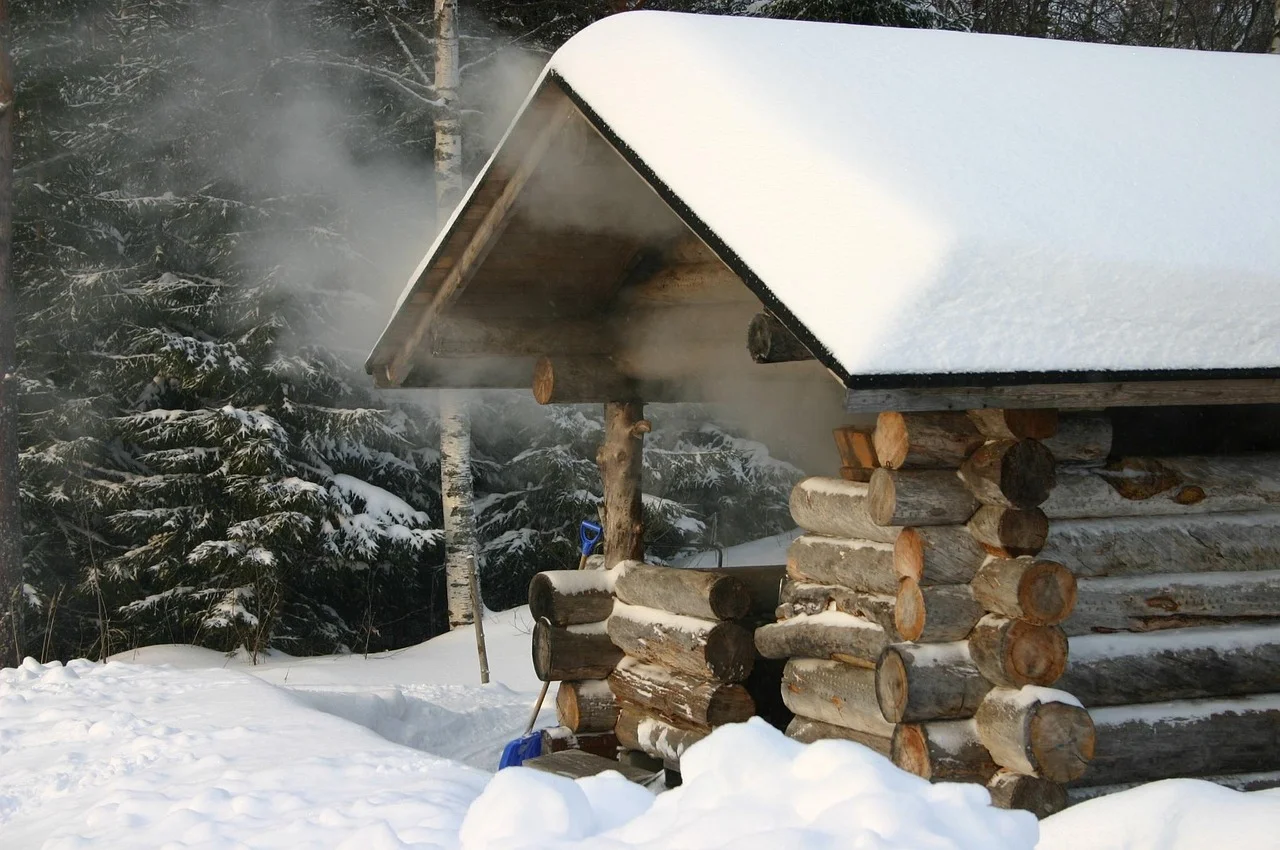
Finding a great sauna is not as straightforward as finding a great coffee shop. A lot of venues that advertise sauna access offer something that barely qualifies — an underheated box in a hotel basement, an infrared cabin in a gym changing room, or a steam room that gets cleaned once a week. These are not saunas in any meaningful sense.
The good news is that a genuinely excellent sauna is increasingly accessible in most European cities and many smaller towns — if you know what to look for and where to search.
Start With GoToSauna
The simplest starting point is GoToSauna, which lists verified sauna venues across Europe with detailed information about heat type, facilities, cold plunge access, pricing, and guest reviews. You can search by city or location, filter by type (traditional, infrared, public, hotel), and read descriptions written by people who have actually assessed the facilities rather than copied the hotel's marketing copy.
Beyond dedicated platforms, here is what to do.
Search Terms That Work
Generic terms like "sauna near me" return highly variable results — you are as likely to get a gym with an infrared cabin as a genuine Finnish sauna. More specific searches yield better results:
- "public sauna [city name]" — finds communal sauna facilities, which are typically more authentic than hotel saunas
- "Finnish sauna [city name]" — targets venues that take the tradition seriously
- "Aufguss sauna [city name]" — finds German-tradition venues with ceremonial steam sessions
- "sauna club [city name]" — often finds the newer, community-oriented urban sauna operations
- "floating sauna [city name]" — specific to coastal or riverside venues
What Distinguishes a Good Sauna
Once you have a list of candidates, here is what to evaluate:
Heat source. This is the single most important indicator of quality. A wood-fired sauna (kiuas) produces softer, more enveloping heat than an electric sauna. Electric saunas are not necessarily bad, but they are harder to do well. Infrared saunas operate on a completely different principle (heating the body directly rather than the air) and are useful for specific purposes but are not a substitute for a traditional sauna if authentic experience is your goal.
Ask or check the website: "Is the sauna wood-fired or electric?"
Temperature range. A proper sauna runs between 80°C and 100°C. Below 70°C and you are not really getting a sauna experience. If a venue does not advertise or cannot tell you their operating temperature, treat this as a warning sign.
Cooling options. The heat-cool cycle is central to the sauna experience and most of its health benefits. A venue that offers only a cold shower is providing a fraction of the experience. Look for cold plunge pools, outdoor access, or — ideally — natural water (sea, lake, river).
Humidity management. The ability to add water to the stones (löyly) is essential. Some venues, particularly in hotels, seal their saunas or discourage löyly for liability reasons. This fundamentally compromises the experience.
Cleanliness. A well-maintained sauna should smell of clean wood and, if birch accessories are used, the faint scent of birch. Any musty, chemical, or damp smell suggests poor maintenance.
Changing facilities. Good changing rooms with secure lockers, clean showers, and space to dress without feeling rushed indicate that the venue takes the overall experience seriously.
Reading Reviews Intelligently
When reading reviews, look for signals that reviewers actually know what a good sauna is:
- Positive mentions of temperature ("properly hot", "the hottest sauna I have found in the city")
- References to löyly quality or stone stove
- Mentions of cold plunge or outdoor cooling
- Comments on the social atmosphere (for communal saunas)
Be more sceptical of reviews that focus mainly on décor, towel quality, or the receptionist's friendliness — these tell you about the front-of-house, not the sauna itself.
Hotel Saunas: When They Work
Hotel saunas vary enormously. The best ones — usually in Nordic-influenced properties or high-end wellness hotels — are genuinely excellent. The worst are afterthoughts that exist to tick a box on the booking platform.
Green flags for hotel saunas: wood-panelled interiors, operating hours that include early morning and late evening, outdoor or pool access for cooling, temperature information in the room description.
Red flags: the sauna is shared with the gym, no information about heat source or temperature, reviews that mention it was "too cold" or "smelled strange."
Booking and Timing
Most good public and urban saunas are busiest on Friday and Saturday evenings. If you want a calmer, less crowded experience, weekday mornings or early afternoons are ideal. Some venues require advance booking — particularly popular operations in cities like Oslo and Helsinki — so check before you arrive.
When in doubt, call ahead. A venue that answers questions about their sauna with knowledge and enthusiasm is a good sign. One that does not seem to understand your questions is not.