Why Everyone Is Jumping into Ice-Cold Water After Their Sauna
The sauna-to-cold-plunge ritual has gone from niche biohacking to mainstream wellness phenomenon. The science behind why it works is genuinely fascinating — and the benefits are real.
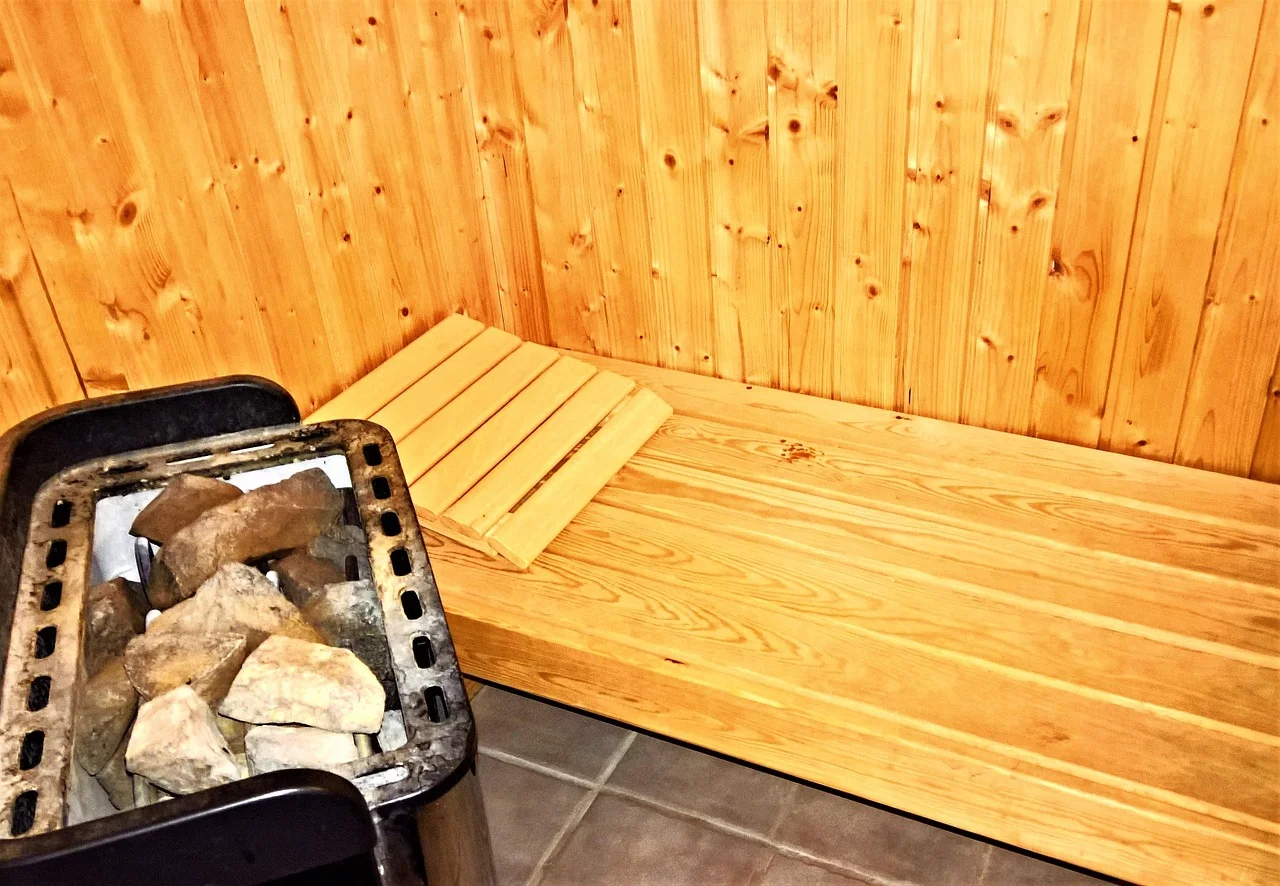
Scroll through wellness content on any social media platform and you will inevitably come across it: someone stepping out of a sauna, steam rising from their skin, and dropping into a barrel of ice-cold water. The expression on their face — a mixture of shock, determination, and something close to joy — has become the defining image of the modern wellness movement.
But what is actually happening in the body during this ritual? And why are so many people — from elite athletes to office workers seeking stress relief — doing it?
The Ancient Practice With Modern Science
The combination of heat and cold is not a new idea. Nordic peoples have been jumping from saunas into frozen lakes for centuries. The Japanese ofuro bath tradition involves similar hot-cool contrasts. Ottoman hammams were designed around the contrast between hot rooms and cool marble slabs. The Roman thermae had caldarium (hot room) and frigidarium (cold room) as their core architecture.
What is new is the level of scientific attention this practice has received — and the precision with which researchers can now describe what happens inside the body.
The Science of the Plunge
When you step out of a sauna, your core temperature is elevated, your blood vessels are dilated, and your heart is beating faster than at rest. Every capillary near your skin surface is open, flooding your peripheral tissues with warm blood.
When you enter cold water — ideally below 15°C, and ideally quite suddenly — several things happen simultaneously:
Vasoconstriction. Your blood vessels contract rapidly, pushing blood from your extremities into your core. This protects your vital organs and helps regulate core temperature.
Norepinephrine spike. Cold exposure triggers a massive release of norepinephrine — a neurotransmitter and hormone that plays a key role in focus, attention, mood, and metabolism. Research by Dr. Susanna Søberg and others has shown that brief cold immersion can increase norepinephrine levels by 200–300%.
Dopamine elevation. Cold plunging also produces a sustained rise in dopamine — the neurotransmitter associated with motivation, reward, and wellbeing. Unlike the dopamine hit from eating sugar or checking social media (which spikes fast and drops fast), the dopamine elevation from cold exposure lasts for hours.
Endorphin release. The shock of cold triggers beta-endorphin release — the same chemicals produced during aerobic exercise and responsible for the "runner's high."
The Søberg Protocol
Dr. Susanna Søberg's research at the University of Copenhagen produced one of the most practically useful findings in cold therapy science. Her 2021 study found that a minimum of 11 minutes of cold water immersion per week — spread over multiple sessions — was sufficient to produce significant metabolic benefits, including activation of brown adipose tissue (brown fat).
Brown fat is a metabolically active type of fat tissue that burns energy to generate heat. Most adults have very little of it — but cold exposure activates and may increase it. This has implications for weight management, metabolic health, and even blood sugar regulation.
The key finding was that sauna and cold immersion need to be done in the right order to maximise benefit: always end on cold, not heat. Ending on heat blunts the brown fat activation and norepinephrine response. Ending on cold locks in the metabolic and mood benefits.
The Mental Health Case
Separate from the metabolic research, the mental health case for cold plunging is compelling.
A 2022 case study in BMJ Case Reports described a patient with treatment-resistant major depression who experienced sustained remission following a programme of regular cold water swimming. The mechanism proposed: the cold exposure triggers the same neurotransmitter changes that antidepressant medications target.
This is not a prescription for replacing medication — that decision belongs to doctors and patients. But it suggests that the anecdotal reports from thousands of people who describe cold plunging as "the best antidepressant I have ever found" have a plausible biological basis.
The Wim Hof Effect
No discussion of cold therapy is complete without mentioning Wim Hof, the Dutch extreme athlete who has climbed Everest in shorts and held a Guinness World Record for prolonged full-body ice immersion. Hof developed a breathwork and cold exposure protocol that he began teaching online around 2012.
The Wim Hof Method did not invent cold therapy — but it did bring it to millions of people who would never otherwise have encountered the practice. His influence on the cold plunge trend is hard to overstate.
How to Start Safely
If you are new to cold plunging:
- Start with a cold shower — 30 seconds at the end of your normal shower, gradually extending over two to three weeks.
- Progress to a cold plunge at a dedicated venue — where there is supervision and the water temperature is controlled.
- Never plunge immediately after intense cardiovascular exercise — the cardiovascular strain of combining peak heart rate with cold shock can be dangerous.
- Never plunge alone — particularly in open water.
- If you have cardiovascular conditions, talk to your doctor before starting.
The optimal protocol for most healthy adults is three to five minutes in cold water (10–15°C) after a full sauna session, ending always on cold. Two to three times per week produces measurable physiological benefits.
The shock never fully disappears. That is, apparently, part of the point.