Hvorfor Finland har flere badstuer enn biler
Finland har 3,3 millioner badstuer for 5,5 millioner mennesker. Dette er ikke en statistisk pussighet — det gjenspeiler et forhold mellom et folk og et ritual som ikke ligner noe annet i verden.
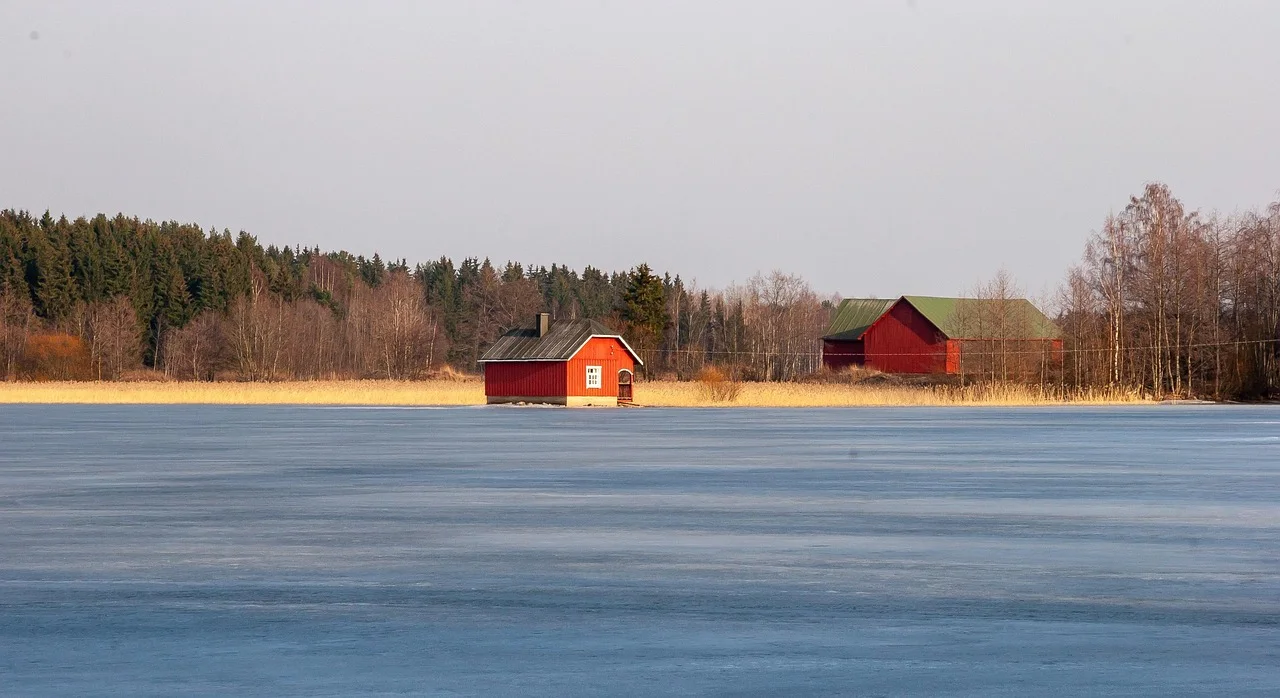
Det finnes omtrent 3,3 millioner badstuer i Finland. Det finnes 2,7 millioner personbiler. Finland har flere badstuer enn biler, flere badstuer enn faste boliger, og — etter noen anslag — flere badstuer enn toaletter.
Dette er ikke en markedsføringspåstand. Tallene kommer fra Det finske badstuselskapet (Suomen Saunaseura), som har fulgt badstustatistikk siden 1937. Når du tilbringer tid i Finland, gir tallene mening. Nesten hver leilighetsblokk har en felles badstu. Sommerhytter er utenkelige uten en. Det finnes badstuer i den finske riksdagen (Eduskunta), i militærbrakker, i bedriftshovedkvarterer, i Finnairs VIP-lounge på Helsinki-Vantaa lufthavn, og om bord i isbryteren MS Polaris.
Opprinnelsen: fra steinalderen til middelalderens Finland
De tidligste sporene av badstu-lignende bading i Finland stammer fra omkring 7000 f.Kr. — gropshus gravd ned i jorden, oppvarmet med ildvarmede steiner, brukt til varme og hygiene i de brutale finske vintrene.
Røykbadstuen (savusauna) utviklet seg fra disse tidlige gropene. I sin klassiske form fyller en steinovn rommet med røyk i flere timer, så slukkes ilden og røyken slipper ut gjennom en luftekanal. Den lagrede varmen i steinene holder rommet varmt i timer. En savusauna oppvarmet og utluftet skikkelig er et ekstraordinært miljø: utrolig myk varme, unike aromaer, og en kvalitet på dampen (løyly) som moderne elektriske badstuer ikke kan gjenskape.
For mesteparten av finsk historie var badstuen det viktigste rommet i hjemmet — ofte det eneste rommet med kontrollert varme og rent vann. Det er derfor så mange viktige livshendelser var forbundet med badstuen: fødsel, død, ekteskapsforberedelse, helbredelse fra sykdom. Badstuen var der finske kvinner fødte langt inn i det 20. århundre — det var det reneste rommet tilgjengelig, med varmt vann og kontrollert temperatur.
Det finske ordtaket "Jos sauna, viina ja terva ei auta, tauti on kuolemaksi" — "Hvis badstu, vodka og tjære ikke hjelper, er sykdommen dødelig" — er svart humor, men det koder en genuin historisk sannhet: for det meste av finsk historie var badstuen den primære medisinske institusjonen tilgjengelig for folk flest.
UNESCO-anerkjennelse: 2020
I desember 2020 la UNESCO finsk badstukultur til på sin representative liste over menneskehetens immaterielle kulturarv. Listen anerkjente spesifikt ikke bare den fysiske praksisen ved badstubading, men hele kulturkomplekset rundt den: de sosiale ritualene, den filosofiske dimensjonen, den tradisjonelle kunnskapen om badstuhelbredelse, og håndverket med å bygge og vedlikeholde en ordentlig badstu.
Anerkjennelsen kom ikke som en overraskelse for finner, men den utløste en bølge av internasjonal interesse for hva som egentlig gjør finsk badstukultur så særegen og så holdbar.
Løyly: Mer enn bare damp
Den sentrale rituelle handlingen i finsk badstu er løyly — handlingen å øse vann på de varme steinene i kiuasen (badstuovnen) for å produsere et dampstøt. Ordet løyly har ingen direkte oversettelse i de fleste språk. Det betyr både dampen selv og badstuens livskraft eller ånd. Kvaliteten på en badstu er i stor grad bestemt av kvaliteten på løylyen.
Erfarne badstubrukere utvikler en nesten instinktiv sans for hvordan løylyen skal styres — hvor mye vann, hvor ofte, hvordan plassere seg i forhold til dampen. Denne kunnskapen overføres fra generasjon til generasjon, gjennom praksis snarere enn instruksjon. Finske barn lærer løyly-teknikk fra foreldrene sine slik andre barn lærer å lage mat.
Bjørk og øl: Badstu-tilbehøret
En ordentlig finsk badstuøkt innebærer mer enn bare varme. To tilbehør er essensielle.
Vihtaen (eller vasta) — en bunt med ferske bjørkegrener, typisk samlet midtsommers og enten brukt fersk eller bevart for vinterbruk. Du dypper vihtaen i varmt vann og bruker den til å banke kroppen forsiktig. Effekten er samtidig eksfolierende, sirkulasjonsfremmende og aromatisk. Lukten av bjørk i en varm badstu er en av de mest karakteristiske duftene i finsk liv.
Badstuøl (saunakalja) — en lett gjæret malt-drikk med lavt alkoholinnhold som drikkes under badstuøkter. Det er ikke øl i konvensjonell forstand — det er en tradisjonell finsk bryggetradisjon spesifikt kalibrert for å rehydrere og slappe av uten svekkelse. Å drikke mye i en badstu er farlig og kulturelt mislikt; saunakaljaen handler om seremoniell forfriskning, ikke om beruselse.
Offentlige badstuer: Demokrati i varmen
Finlands offentlige badstutradisjon gjenspeiler den demokratiske karakteren av finsk samfunn. Den klassiske offentlige badstuen — rimelig, felles, åpen for alle — var den store likemakeren i finsk byliv. Fabrikkarbeidere og professorer svettet sammen. Naboer som ellers aldri snakket sammen, oppdaget felles menneskelighet i varmen.
Nedgangen til offentlige badstuer på slutten av det 20. århundre (etter hvert som private leilighetsbadstuer ble standard) blir beklaget av finske kulturkommentatorer som tap av en demokratisk institusjon. Den nylige gjenoppblomstringen — nye offentlige badstuer åpner i Helsinki, Tampere og andre finske byer — er delvis et svar på denne bekymringen: et forsøk på å gjenvinne badstuen som en delt sivil opplevelse snarere enn en privat luksus.
For besøkende
Å besøke Finland uten å gå i badstuen er som å besøke Frankrike uten å spise ordentlig mat: teknisk mulig, men en dyp tapt mulighet. Protokollen for førstegangsbesøkende:
- Aksepter enhver badstuinvitasjon du får — å takke nei er nokså uhøflig.
- Gå inn naken (eller med et lite håndkle hvis du foretrekker det).
- Be verten din om å håndtere løylyen i stedet for å gjøre det selv på første besøk.
- Kjøl deg ned skikkelig mellom rundene — ikke sitt gjennom ubehag hvis du er ny.
- Bli så lenge det føles riktig, men sett av minst to timer.
Badstuen er den mest ærlige samtalen du noensinne vil ha med Finland. Varme, ærlighet, stillhet og damp.