Badstu og isbad-rutinen som faktisk fungerer
Å kombinere badstu og isbad er en av de kraftigste velværepraksisene som finnes. Men protokollen betyr alt. Her er rutinen støttet av forskning og nordisk tradisjon.
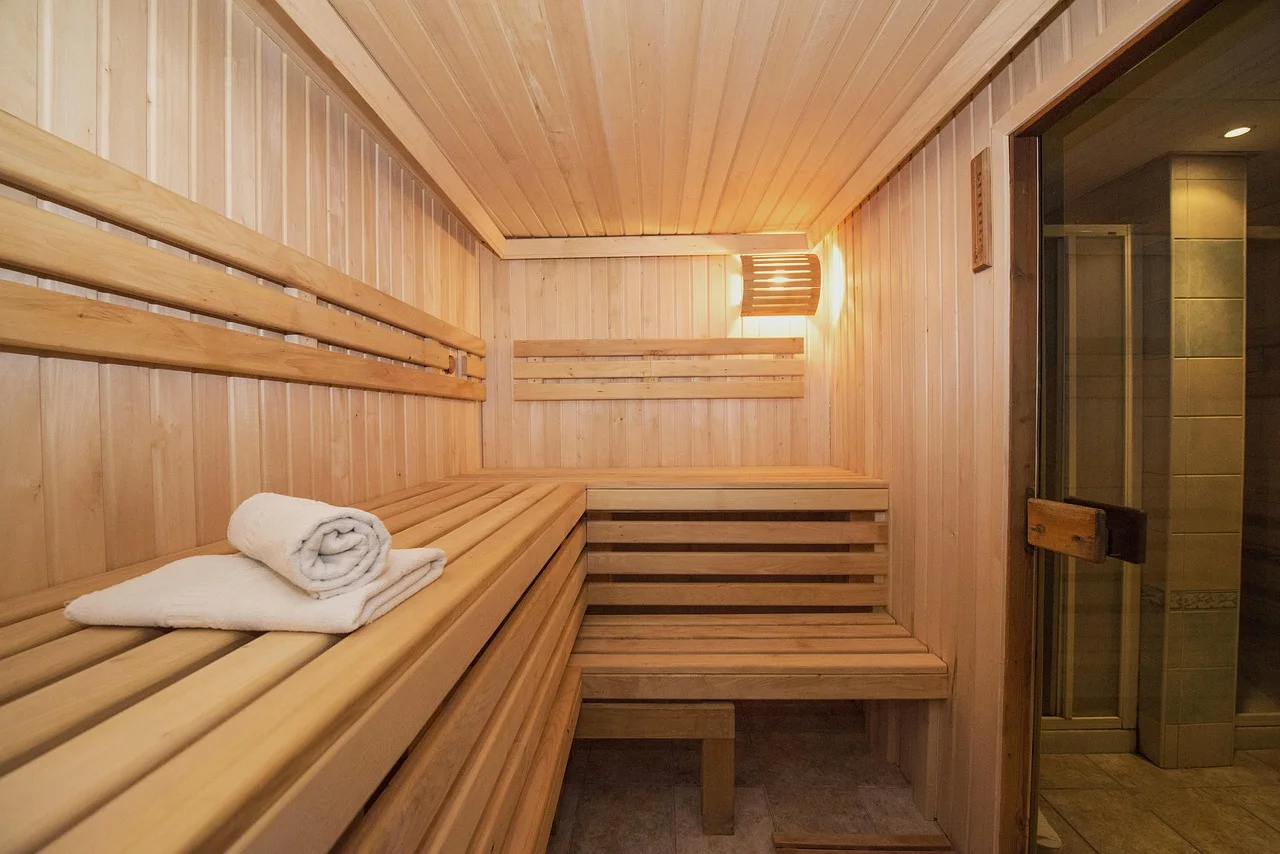
Kombinasjonen badstu og isbad — kjent som kontrastterapi, varme-kald-terapi eller den nordiske badeprotokollen — er en av de mest studerte velværepraksisene i verden. Nordiske kulturer har gjort det i århundrer. Eliteutøvere har tatt det opp som en restitusjonsstandard. Og urbane velværeentusiaster oppdager det i dedikerte kontrastterapistudioer fra London til Los Angeles.
Forskningen er klar: gjort riktig produserer kombinasjonen badstu–isbad helseeffekter ingen av praksisene oppnår alene. Nøkkelordet er «riktig». Her er protokollen som fungerer.
Hva kvalifiserer som et isbad?
I praksis tilbyr de fleste badstusteder kaldbadbasseng snarere enn bokstavelige isbad. Skillet betyr noe:
- Kaldbadbasseng (10–15 °C): Standarden ved dedikerte badstuanlegg. Kaldt nok til å produsere full fysiologisk respons. Tilgjengelig og trygt for de fleste friske voksne.
- Isbad (4–8 °C): Mer intenst, brukt av idrettsutøvere for spesifikke restitusjonsformål. Høyere kardiovaskulært stress. Trygt for friske voksne med passende tilvenning.
- Naturlig kaldt vann (0–10 °C): Innsjøer, hav, elver om vinteren. Den mest tradisjonelle og, for mange utøvere, den kraftigste versjonen.
For denne guidens formål bruker vi «isbad» til å referere til enhver kald immersjon i vann under 15 °C.
Den riktige protokollen
Før du begynner: Hydrer (500 ml vann), dusj, ikke spis tungt innenfor 2 timer.
Runde 1: Badstu — 10–15 minutter Gå inn i badstuen ved 80–95 °C. Sett deg på en midtbenk for å starte. Pust sakte. La varmen gjøre jobben sin. Målet er å heve kjernekroppstemperaturen betydelig — du bør svette fritt etter fem minutter.
Kald immersjon — 2–4 minutter Gå ut av badstuen og inn i kaldbadet eller isbadet. For din første runde er 2 minutter målet. Etter hvert som du tilpasser deg over flere økter, bygg opp til 3–4 minutter.
De første 30 sekundene er det vanskeligste. Etter det tilpasser kroppen seg. Pusten din vil være rask og overflatisk i starten — arbeid bevisst med å bremse den. Kulden er alltid et valg, gjort på nytt for hvert sekund du blir.
Hvile — 10–15 minutter Kom ut av det kalde vannet, tørk deg delvis, og sitt eller ligg i et varmt avslapningsområde. Drikk vann. La hjerterytmen og pusten gå helt tilbake til baseline.
Runde 2: Badstu — 12–15 minutter Gå tilbake til badstuen. Du kan gå litt høyere på benken denne gangen. Kroppen din er tilpasset og kan tåle mer. Tillat en løyly om tilgjengelig — dampstøtet forsterker varmeeffekten.
Kald immersjon — 3–5 minutter Din andre kalde immersjon bør være lengre enn den første. Termisk belastning er høyere etter to runder, noe som gir større kontrast. Det er her den største noradrenalintoppen oppstår.
Hvile — 10–15 minutter Full hvile igjen. Du vil legge merke til at kroppen varmes betydelig under denne hvilefasen — et tegn på at den termogene responsen er aktiv.
Valgfri runde 3: Badstu — 10–12 minutter For erfarne brukere. Den tredje runden er kortere enn den andre — kroppen har gjort betydelig arbeid og trenger ikke den lengste varmeeksponeringen.
Siste kalde immersjon — 4–6 minutter Det kritiske trinnet. Avslutt på kaldt. Dette er ikke til forhandling for å maksimere de metabolske og humørmessige gevinstene av økten. Dopamin- og noradrenalinforhøyelsen, brunfett-aktiveringen, parasympatisk dominans — alt topper når økten avsluttes med kaldt.
Restitusjon — minst 20–30 minutter Ikke skynd deg gjennom restitusjonen etter økten. Hvil, hydrer, spis noe lett. Den fulle nevrokjemiske effekten bygges opp over de 20–60 minuttene som følger en komplett økt.
Det ukentlige minimum for resultater
Dr. Søbergs forskning identifiserte cirka 11 minutter med kaldvannsimmersjon per uke som minimum effektiv dose for metabolsk gevinst. Fordelt over tre økter:
- Tre økter/uke × 4 minutter kaldt = 12 minutter. Du er over minimum.
- To økter/uke × 6 minutter kaldt = 12 minutter. Samme resultat.
Par hver kaldimmersjonsøkt med minst to badsturunder for kontrasteffekten.
Vanlige feil
Avslutte på varme: Den vanligste feilen. Å avslutte på badstu demper de kuldeutløste metabolske gevinstene. Avslutt alltid kaldt.
Bli i kulden til det blir farlig: Poenget er fysiologisk stimulus, ikke utholdenhetskonkurranse. Gå ut hvis du opplever brystsmerter eller ekstrem kortpustethet.
Hoppe over hvilefasen: Hvilefasen er der parasympatisk gjenoppretting skjer. Å forhaste seg mellom badstu og kaldt uten tilstrekkelig hvile hindrer den fulle tilpasningen.
Gå for kaldt for tidlig: Hvis du aldri har gjort kaldimmersjon, start med en kald dusj (30 sekunder), gå videre til 1 minutt i et kaldbad, og bygg opp over uker. Å hoppe i et 4 °C isbad uten tilvenning er både ubehagelig og unødvendig risikabelt.
Gjort konsekvent, to til tre ganger per uke, er kombinasjonen badstu og isbad genuint forvandlende.
Ofte stilte spørsmål
Hvor lenge bør den kalde delen vare? For de fleste er 30 sekunder til 3 minutter ved 10–15 °C arbeidsområdet. Nybegynnere starter på 30 sekunder og legger til 15 sekunder per økt etter hvert som toleransen bygges. Å være lenger enn 5 minutter legger til risiko uten å gi meningsfull tilleggsgevinst for de fleste mål.
Hvor mange sykluser per økt? To til tre runder med badstu→kaldt er ideelt for både restitusjon og det autonome skiftet kontrasten trener. Mer enn fire runder gir typisk akkumulert utmattelse snarere enn ekstra gevinst.
Er rekkefølgen viktig? Ja — badstu først, så kaldt. Å reversere rekkefølgen gir en annen fysiologisk respons og gjenskaper ikke det de finske og norske kohortene som viste langsiktig gevinst gjorde. Start varmt, slutt kaldt.
Fungerer det for alle? Kardiovaskulære tilstander, Raynauds, kuldeurtikaria og graviditet er reelle kontraindikasjoner. Få godkjenning fra lege hvis du har noen av disse før du starter en kontrastrutine.
Relatert lesing
For den dypere vitenskapen om hvorfor dette fungerer: Vitenskapen bak kaldbad etter badstu. For idrettsspesifikk restitusjon: Badstu for idrettsutøvere. For den autonome mekanismen: Badstu og stress.