Badstureiser er den neste store trenden i velværeturisme
Velværereiser er i sterk vekst. Innenfor segmentet vokser badstureiser raskere enn nesten noe annet — drevet av sosiale medier, vitenskapelig forskning, og en genuin sult etter analoge opplevelser.
Velværereisebransjen har produsert en rekke trender de siste tjue årene: yogaretreat på Bali, meditasjonssentre i Himalaya, detox-resorts i Thailand, ayurvediske programmer i Kerala. Hver trend gjenspeilte tidens bekymringer og ambisjoner.
Badstureiser gjenspeiler vår: en sult etter fysiologisk reset, autentisk kulturell opplevelse, sosial kontakt uten skjermer, og den typen dyp hvile som ingen mengde søvn ser ut til å gi.
Velværereisemarkedet
Global Wellness Institute verdsatte velværeturisme til 651 milliarder dollar i 2022 — en sektor som hadde kommet seg dramatisk fra pandemikollapsen og vokste i dobbelt så høyt tempo som konvensjonell turisme. Innen 2027 ventes markedet å nå 1,4 billioner dollar.
Innenfor dette enorme markedet har termal- og badeopplevelser — der badstu er den raskest voksende komponenten — vokst frem som en av de mest dynamiske kategoriene. Skiftet er delvis demografisk: millennials og generasjon Z, som nå utgjør de største segmentene av globale reisende, prioriterer i større grad helsefokuserte opplevelser enn tidligere generasjoner.
Hvorfor akkurat badstu?
Flere faktorer har slått sammen for å plassere badstu som den definerende velværereiseopplevelsen midt i 2020-årene.
Vitenskapelig validering. Akkumuleringen av forskning på kardiovaskulære, kognitive og mentale helsegevinster har gitt badstu en troverdighet mange velværetrender mangler. Når en reisende kan sitere fagfellevurderte finske studier for å rettferdiggjøre badstuferien sin, går praksisen fra luksus til investering.
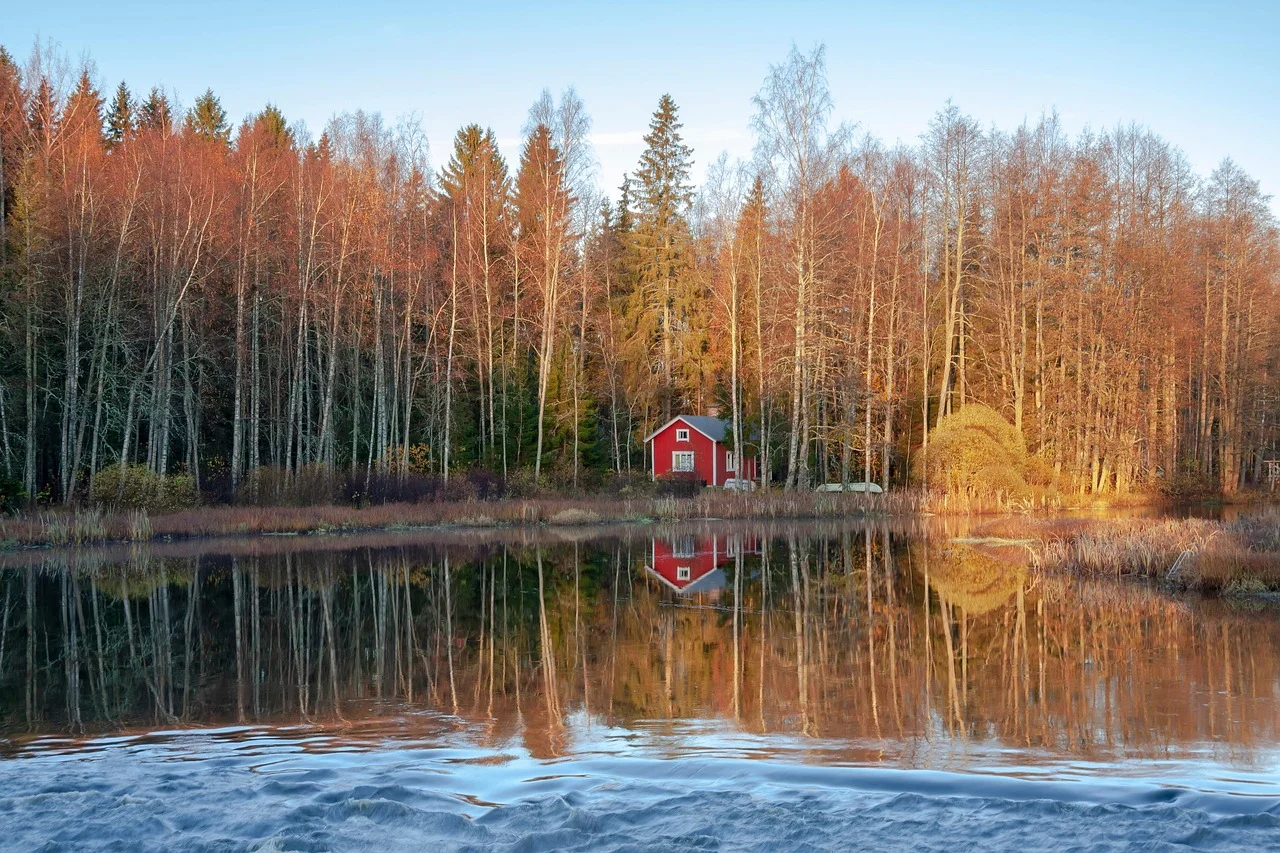
Instagram og TikTok. Det visuelle dramaet ved badstureiser — damp som stiger fra en innsjøhytte i skumringen, kropper som beveger seg fra varm badstu til frossen sjø, nordlys synlig gjennom et glassvegget avslapningsrom — er usedvanlig fotogent. Bildene sirkulerer vidt og inspirerer til etterligning. Badstureiser har utviklet en estetisk identitet som har bidratt til å drive etterspørselen.
Tilpasning til "slow travel". Badstuopplevelsen krever roligt tempo. Du kan ikke forhaste en god badstuøkt mer enn du kan forhaste et godt måltid. Dette stemmer perfekt overens med "slow travel"-bevegelsen — preferansen for dybde fremfor bredde, for to uker i én nordisk region fremfor to uker på tvers av åtte land.
Kulturell autentisitet. Badstu er ikke en konstruert velværeopplevelse. Det er en levende tradisjon innebygd i ekte samfunn med århundrer med praksis bak seg. Reisende vil i økende grad ha kulturell autentisitet snarere enn resort-konstruert avslapning, og badstu leverer dette på en måte få velværepraksiser kan.
Hvor badstureiser vokser raskest
Finland er fortsatt toppdestinasjonen, og finske turistmyndigheter har investert tungt i å posisjonere landet som verdens ledende badstudestinasjon. Hytteutleie med badstutilgang ved Innsjølandet fylles opp måneder i forveien. Helsinkis urbane badstumiljø — sentrert rundt steder som Löyly og Allas Sea Pool — tiltrekker hundretusener av besøkende årlig.
Estland har vokst frem som den mest spennende badstudestinasjonen for verdibevisste reisende. Tallinns middelalderske gamleby er en ekstraordinær bakgrunn for en badstukultur som på mange måter er dypere og mindre kommersialisert enn den finske. De UNESCO-listede røykbadstuene i Sør-Estland trekker reisende som søker opplevelser som knapt har endret seg på fem hundre år.
Norge vinner eventyr-badstumarkedet. Kombinasjonen av dramatiske landskap — fjorder, arktisk kystlinje, fjelltopper — med innovative badstuformater (flytende, klippekantede, glassvegget) gir opplevelser som er umulige å gjenskape andre steder.
Tysklands kurbyer — Baden-Baden, Wiesbaden, Bad Gastein — kombinerer sentraleuropeisk spakultur med seriøse badstutradisjoner. Aufguss-seremonikulturen, særlig sterk i sør-Tyskland og Østerrike, tilbyr en teaterdimensjon som ikke finnes i nordiske land.
Slik planlegger du en badstu-tur
Den viktigste planleggingsbeslutningen er å matche typen opplevelse til det du faktisk søker.
Hvis du vil ha maksimal autentisitet og kulturell fordypning: Landlige Finland om sommeren eller vinteren. Lei en innsjøhytte med vedfyrt badstu. Planlegg å bli i minst en uke.
Hvis du vil ha urban raffinement med enkel adgang: Helsinki, Oslo eller Tallinn for en lang helg. Bo nær sjøfronten. Bestill økter på de beste urbane badstuene.
Hvis du vil ha dramatiske landskap: Nord-Norge (Tromsø, Lofoten) eller finsk Lappland. Planlegg for vinter for å legge nordlysdimensjonen til.
Hvis du vil ha god verdi: Estland eller Latvia tilbyr europeisk badstukultur til betydelig rabatt mot skandinaviske priser.
Infrastrukturen for badstureiser har aldri vært bedre utbygd. Dedikerte badstureisbyråer, kuraterte badstu-bo-plattformer og spesialiserte turoperatører finnes nå i alle store opphavsmarkeder. Det vanskeligste er å velge hvor du skal begynne.
Ofte stilte spørsmål
Beste destinasjoner for badstu-fokuserte reiser? Helsinki og Tampere for den dypeste finske tradisjonen; Oslo og Bergen for det moderne flytende-badstu-miljøet; Stockholm og København for designledede urbane badstuer; Berlin og München for den tyske Saunalandschaft-modellen.
Vinter eller sommer? Vinter for varme-kald-kontrasten på sitt mest dramatiske — ishullsbadet mellom badstuomgangene er virkelig ikonisk i finske og norske vintre. Sommer for de lange nordiske dagene og utendørs flytende-badstu-kulturen. Begge fungerer.
Med familien? Finske familiehoteller er familievennlige som standard. De fleste tyske Saunalandschaften har aldersgrenser (vanligvis 5–8+). Se Badstu med barn for forskjellene i opplegg.
Hvor lang bør turen være? En lang helg er nok til å oppleve 3–4 steder i én by. En uke gir deg tid til å sammenligne byer eller utvide turen til mer landlige badstuarvdestinasjoner som de finske innsjøene eller norske fjorder.
Relatert lesing
Hvorfor Finland har så mange badstuer, Hvorfor Norge er en badstudestinasjon, og Badstuetikette etter land dekker den kulturelle bakgrunnen.