Kan badstu virkelig forbedre den mentale helsen din? Her er hva forskningen sier
Badstu har lenge blitt promotert som godt for kroppen. Ny forskning antyder at fordelene strekker seg til sinnet — med implikasjoner for stress, angst og depresjon som er vanskelige å overse.
Mental helse har blitt en av de definerende bekymringene i det 21. århundre. Andelen angst og depresjon har steget jevnt over hele den utviklede verden. Verktøyene som er tilgjengelige for folk som sliter med disse tilstandene — terapi, medisinering, livsstilsendringer — er genuint nyttige, men de er ikke universelt tilgjengelige, ikke alltid tilstrekkelige, og ikke uten bivirkninger.
På denne bakgrunnen har forskning på de mentale helseeffektene av badstubading tiltrukket seg seriøs vitenskapelig oppmerksomhet. Funnene er oppmuntrende — ikke som erstatning for profesjonell oppfølging, men som en meningsfull supplerende praksis med reelle nevrobiologiske effekter.
Hva som skjer i hjernen i en badstu
De umiddelbare nevrologiske effektene av badstueksponering er godt dokumentert.
Beta-endorfinfrigjøring. Varmestress utløser frigjøring av beta-endorfiner — de samme nevrotransmitterne som frigjøres under intens trening og er ansvarlige for følelsen av velvære som ofte beskrives som "løpergleden". Dette er ikke en metafor eller en placeboeffekt; det er en målbar biokjemisk respons.
Økning i noradrenalin. Badstuvarme produserer en moderat økning i noradrenalin — en nevrotransmitter som spiller en rolle i oppmerksomhet, fokus og humørregulering. Dette er en del av grunnen til at mange badstubrukere rapporterer at de føler seg skarpere og mer energifulle etter en økt.
Reduksjon i kortisol. Kortisol — kroppens primære stresshormon — stiger først som respons på varmestresset i badstuen. Men hos regelmessige badstubrukere er kortisolnivåene etter økt betydelig lavere enn baseline. Kroppens stressreguleringssystem tilpasser seg, og blir mer effektivt. Regelmessige badstubrukere viser bedre kortisolregulering gjennom hele dagen, ikke bare under økter.
Varmesjokkproteiner. Gjentatt varmeeksponering induserer produksjonen av varmesjokkproteiner (HSP), som spiller en rolle i celleutbedring og kan beskytte mot nevrologisk skade knyttet til kronisk stress.
Forskning på depresjon
En befolkningsstudie fra 2018, publisert i Psychiatry Research, analyserte data fra over 2000 finner og fant en statistisk signifikant invers sammenheng mellom badstuhyppighet og depresjon: folk som brukte badstu fire eller flere ganger per uke, rapporterte vesentlig sjeldnere depressive symptomer enn de som brukte den én gang i uken eller mindre.
Dette er en korrelasjonsstudie — den kan ikke bevise at badstu forårsaker lavere rater av depresjon. Folk som bruker badstu oftere kan også være mer sosialt tilkoblet, mer fysisk aktive og mer helsebevisste generelt. Men assosiasjonen er konsistent med de kjente nevrobiologiske mekanismene, og den vedvarer selv etter justering for forvirrende variabler.
Mer direkte relevant er en pilotstudie fra 2023 fra University of Wisconsin-Madison, som førte klinisk deprimerte pasienter gjennom åtte uker med regelmessige badstuøkter. Deltakerne viste betydelige reduksjoner i depresjonsskår sammenlignet med kontrollene. Forskerne foreslo at mekanismen delvis var nevrobiologisk (endorfin- og noradrenalineffekter) og delvis sosial (den strukturerte, fellesskapsorienterte naturen til badstuøktene ga en form for atferdsaktivering).
Badstu og angst
Bevismaterialet på angst er mindre utviklet enn for depresjon, men mekanismene peker i en lovende retning.
Det parasympatiske nervesystemet — "hvile og fordøye"-systemet som motvirker stressresponsen — aktiveres sterkt under avkjølingsfasen etter badstuen. Regelmessig varme-kald-veksling ser ut til å forbedre effektiviteten i dette systemet, noe som betyr at kroppen vender tilbake til en rolig baseline raskere etter stressorer.
Mange regelmessige badstubrukere beskriver dette som en av de mest håndgripelige fordelene: ikke bare å føle seg avslappet etter en økt, men å føle seg mer motstandsdyktig mot stress gjennom dagen. Dette er konsistent med det vi vet om hvordan det autonome nervesystemet responderer på gjentatte hormetiske stressorer — stressorer som er utfordrende på kort sikt, men adaptive på lang sikt.
Den sosiale dimensjonen ved mental helse i badstuen
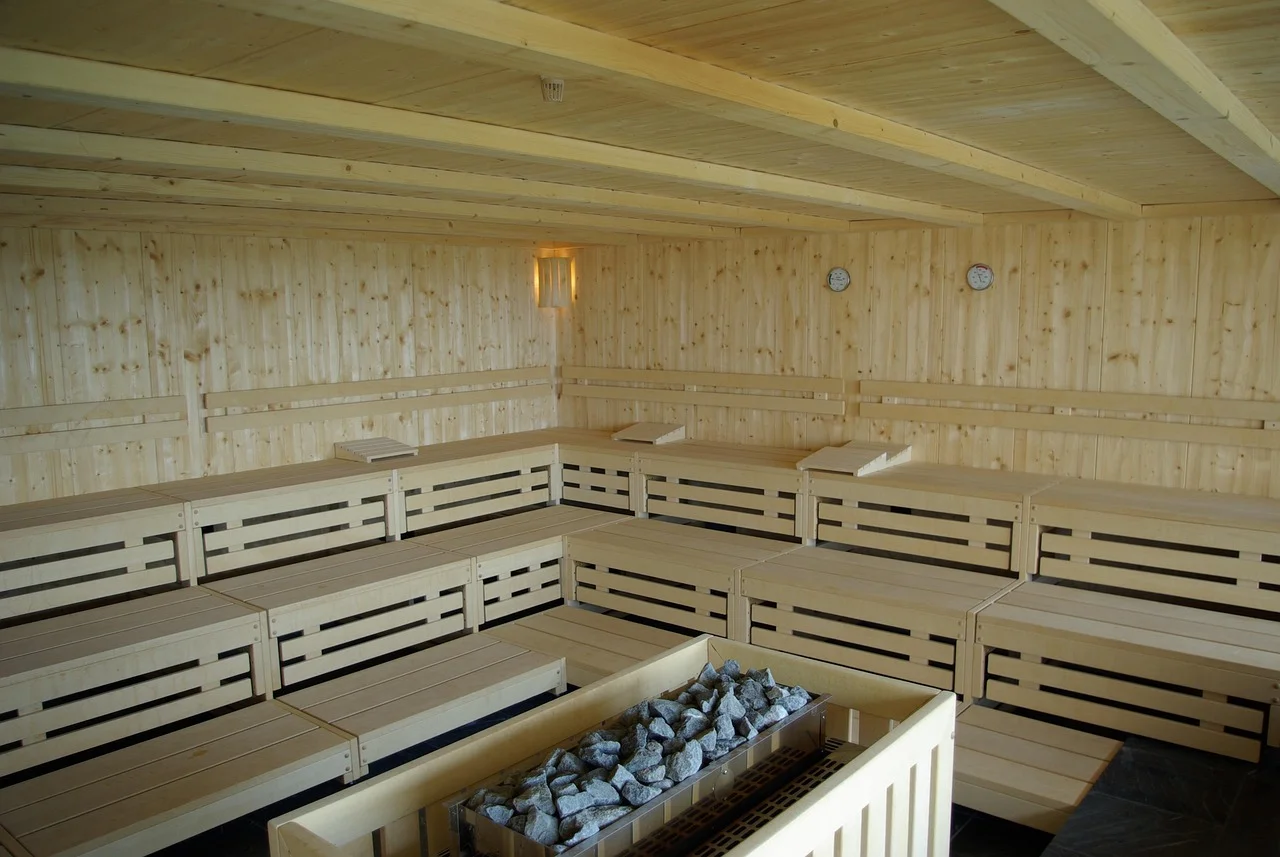
De mentale helsefordelene ved badstu er ikke rent biokjemiske. Det sosiale miljøet i en fellesbadstu er i seg selv terapeutisk.
Ensomhet er en av de sterkeste prediktorene for dårlig mental helse. Regelmessig deltakelse i et delt ritual — et som krever nærvær, fjerner statusmarkører og skaper forhold for autentisk samtale — adresserer direkte den sosiale isolasjonen som ligger til grunn for så mye moderne angst og depresjon.
I Finland er badstuen eksplisitt forstått som en mental helseressurs. Uttrykket "hvis badstu, vodka og tjære ikke hjelper, er sykdommen dødelig" — ofte sitert til utlendinger med et smil — gjenspeiler en genuin kulturell tro på at badstuen leger psykiske så vel som fysiske plager.
Praktiske råd
For dem som er interessert i å utforske badstu som mental helsestøtte:
- Frekvens har betydning. Fordelene ser ut til å akkumuleres med regelmessig bruk. To til tre økter i uken gir mer mental helseeffekt enn sporadiske besøk.
- Avkjølingsfasen er viktig. Den parasympatiske aktiveringen som produserer varig ro skjer primært under avkjølingen, ikke i varmefasen. Ikke hopp over den.
- Fellesskap forsterker effekten. Hvis mulig, gå med andre eller bruk en fellesbadstu fremfor en privat.
- Vær konsekvent over måneder, ikke uker. De nevrobiologiske tilpasningene — forbedret kortisolregulering, bedre parasympatisk tonus — tar uker å utvikle og måneder å konsolidere.
Badstu er ikke en behandling for klinisk depresjon eller angstlidelser. Hvis du sliter, snakk med helsepersonell. Men som en regelmessig praksis som støtter mental motstandskraft og emosjonell trivsel, er bevisene stadig mer overbevisende.