Sauna for Back Pain: What the Evidence Actually Shows
Regular sauna over 8–12 weeks reduces chronic mechanical back pain by 20–30% in trials. Strong evidence for back pain and fibromyalgia, mixed for other types.
Of all the conditions sauna gets recommended for, chronic pain is one of the more heavily marketed and one of the more poorly understood. The wellness-industry claim is that sauna "relieves muscle tension" and "reduces inflammation," presented as if both are simple mechanisms with predictable benefit. The clinical reality is more nuanced — meaningful benefit for some kinds of pain, modest benefit for others, no benefit at all for some, and a few specific contraindications.
This guide walks through what the actual research supports for sauna and chronic pain, particularly back pain (the most-searched topic in this space), with practical guidance for who's likely to benefit, who isn't, and how to fold sauna into a broader pain-management approach without overpromising.
Before anything else: if you have chronic pain that's affecting your daily function, sauna is at most an adjunctive lifestyle intervention. It doesn't substitute for working with a physiotherapist, pain specialist, or your primary care physician. What's below is for thinking about whether to add sauna to whatever you're already doing — not as a replacement.
What chronic pain actually involves
Chronic pain is a heterogeneous category. The common types relevant to sauna conversation:
Musculoskeletal pain — chronic low back pain, neck pain, shoulder dysfunction. Mechanisms typically include some combination of muscle tension, postural strain, joint dysfunction, and (in some cases) nerve sensitization.
Inflammatory arthritic pain — rheumatoid arthritis, ankylosing spondylitis, psoriatic arthritis. Driven by autoimmune inflammation in joints and surrounding tissues.
Fibromyalgia — widespread pain with central sensitization, sleep dysregulation, and fatigue. Mechanism is incompletely understood but involves CNS pain-processing changes.
Neuropathic pain — pain originating from nerve damage or dysfunction (post-herpetic neuralgia, diabetic neuropathy, sciatica with nerve impingement). Different mechanism, different treatment response.
Osteoarthritis — joint cartilage degradation with associated pain, often worse with activity, better with rest.
Chronic regional pain syndromes — including fibromyalgia, chronic pelvic pain, IBS-related pain. Often have central sensitization components.
Each responds to sauna differently. Treating "chronic pain" as one thing is the first mistake most articles make.
What the research actually shows
A condition-by-condition summary of the available evidence.
Chronic low back pain
The most-studied and most-recommended use case. A 2015 study in Internal Medicine tracked 44 chronic low back pain patients with and without infrared sauna treatment over 12 weeks. The sauna group reported about 40% reduction in pain scores and improvement in functional status, with effects emerging gradually over the 12 weeks rather than immediately.
A separate Finnish observational study found similar associations between regular Finnish sauna use and lower self-reported chronic back pain in middle-aged users.
The mechanism is probably some combination of: muscle relaxation in deep paraspinal muscles, improved local circulation, mild systemic anti-inflammatory effect (HSP-mediated), and modest endorphin release that interrupts pain-pattern reinforcement. None of these is dramatic individually, but they stack.
Likely effective for chronic muscle-tension-driven low back pain, particularly when combined with movement and posture work. Less likely effective for acute disc herniation, spinal stenosis with neurological symptoms, or back pain with red-flag features (fever, weight loss, neurological deficit).
Rheumatoid arthritis and inflammatory arthritis
Multiple small trials have looked at sauna in inflammatory arthritis. A 2009 Clinical Rheumatology trial followed 17 RA patients through 8 weeks of infrared sauna treatment and found significant improvements in pain, stiffness, and fatigue without adverse effects on disease activity markers.
The mechanism is probably the systemic anti-inflammatory effect of repeated heat exposure, combined with local heat-induced relaxation in affected joints.
Important: sauna doesn't replace disease-modifying therapy in inflammatory arthritis. Methotrexate, biologics, and other DMARDs are the actual treatment. Sauna is symptomatic adjunct.
Fibromyalgia
The condition with arguably the most positive sauna data. Several trials have shown meaningful symptom improvement in fibromyalgia patients with regular sauna use, including reduction in pain scores, fatigue, and sleep disturbance.
A 2008 Internal Medicine Journal study followed 13 fibromyalgia patients through combined sauna and exercise therapy over 12 weeks; the sauna group improved on pain, depression, anxiety, and sleep measures. The effect size was meaningful and the mechanism is consistent with the broader autonomic-and-stress regulation effects of regular heat exposure.
Probably effective for many fibromyalgia patients, particularly when combined with graduated exercise. The effect is gradual rather than dramatic.
Osteoarthritis
The picture is more mixed. Heat exposure provides short-term symptomatic relief in OA, particularly for knee and hip joints. Long-term outcome data is thinner.
The general clinical practice recommendation is that sauna can be used for symptomatic relief in OA but doesn't modify disease progression. The cartilage degradation continues regardless of how often you sauna.
Neuropathic pain
The least-supportive evidence. Sauna doesn't reliably help neuropathic pain syndromes (sciatica with nerve compression, diabetic neuropathy, post-herpetic neuralgia). The mechanism — heat exposure affecting muscle, joint, and inflammatory tissue — doesn't address the underlying nerve dysfunction.
For some patients with peripheral neuropathy, sauna can actually worsen symptoms by amplifying autonomic dysregulation. Approach with caution.
Why the back-pain claim is the strongest
Synthesizing across the conditions, sauna helps best when the underlying pain mechanism is:
- Muscle tension and trigger points — heat directly relaxes muscle tissue
- Mild local inflammation — heat increases circulation and supports clearance
- Central sensitization with stress and sleep components — autonomic recovery and improved sleep address the broader context
- Inflammatory markers responsive to heat-shock-protein induction — systemic anti-inflammatory effect over weeks
Chronic mechanical low back pain often involves all four. That's why it shows the most robust sauna response. Pain syndromes that don't share these mechanisms (compression neuropathy, severe joint degeneration, autoimmune in flare) respond less reliably.
What sauna doesn't help with
To be honest about the limits:
Acute injuries. Sauna in the first 48–72 hours after a muscle strain, ligament tear, or fracture is not advised. Heat amplifies inflammation when inflammation is the appropriate acute healing response. Wait for the acute phase to resolve before using sauna for recovery.
Active flares of inflammatory disease. RA in active flare, gout attack, septic arthritis — heat can worsen rather than improve.
Pain with red-flag features. Fever, unexplained weight loss, neurological deficit, severe night pain, history of cancer. These need medical workup before any sauna use.
Disc herniation with radiculopathy. The mechanical compression isn't reduced by heat, and the inflammatory component can worsen with thermal stress in some cases.
Chronic pain with high cardiovascular risk. When the cardiovascular load of sauna use becomes its own concern, the pain benefit may not justify the risk. This requires individual judgment with your physician.
A practical protocol for chronic back pain specifically
For someone with mechanical chronic low back pain, normal cardiovascular health, and clearance to add sauna to their routine:
Frequency. 3 sessions per week. Less than 2 doesn't deliver consistent benefit; more than 4 is diminishing returns.
Duration. 15–20 minutes total per session, split into 1–2 rounds with cool-down between. Don't push longer; the additional thermal load doesn't add pain benefit.
Temperature. 75–85°C is the sweet spot for back pain specifically. Higher temperatures (90°C+) don't add muscle-relaxation benefit and add cardiovascular load.
Combine with movement. This is critical. Sauna alone is not nearly as effective as sauna + post-sauna gentle stretching, walking, or therapeutic exercise. The heat creates a window of improved tissue compliance; use that window for movement that wouldn't otherwise be tolerable.
Build in slowly. Start with shorter sessions and lower temperatures. Chronic back pain populations often have associated deconditioning, autonomic dysfunction, or medication effects that make aggressive thermal stress less tolerable.
Track outcomes for 8 weeks. Pain scores, functional status, medication needs. The chronic back pain literature shows benefit emerging over 8–12 weeks; before that, you can't tell if it's working.
Don't substitute for active treatment. If you're seeing a physiotherapist, doing prescribed exercises, on appropriate medication, sauna adds to that. It doesn't replace any element of it.
Infrared vs traditional for chronic pain specifically
The chronic pain literature has used both modalities. The infrared evidence is more recent and more directly focused on pain outcomes; the traditional Finnish evidence is broader but less pain-specific.
Practical considerations:
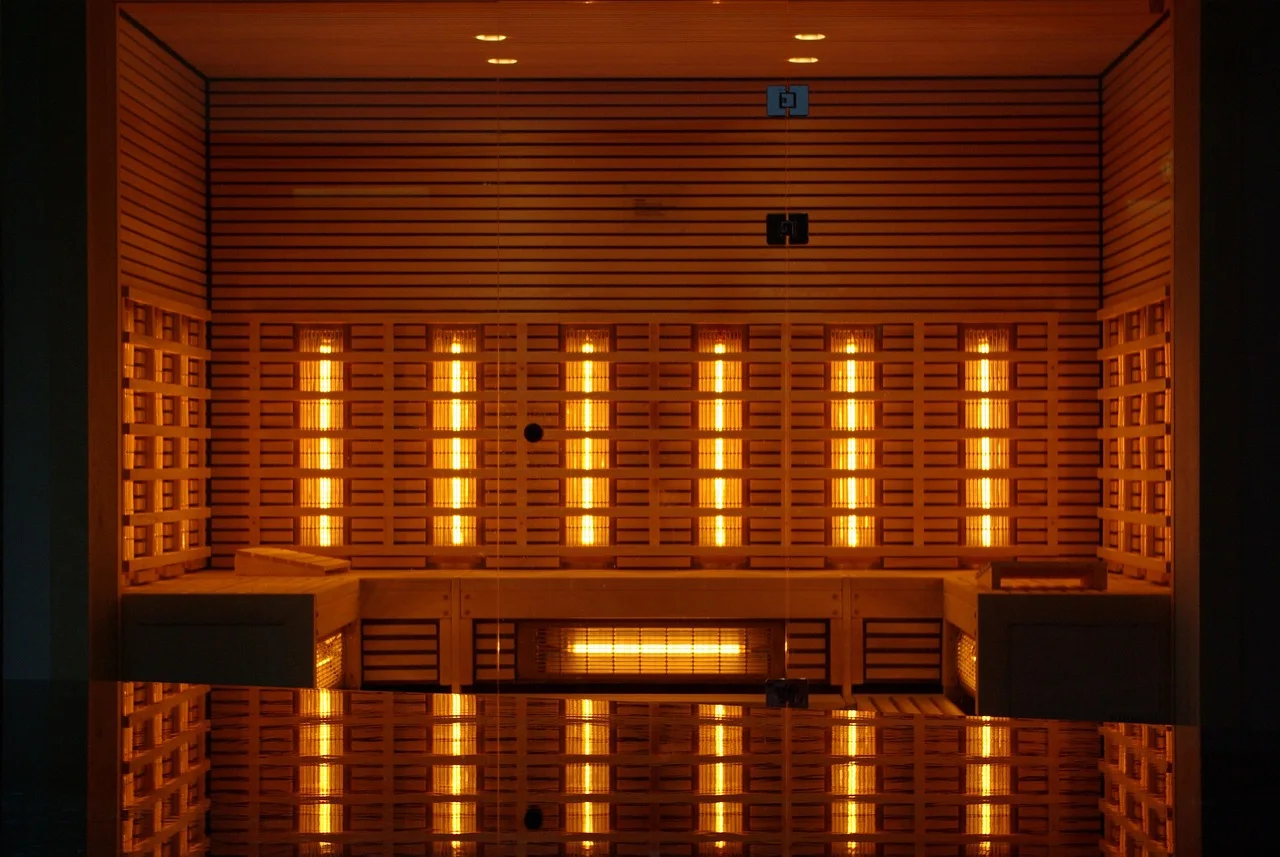
Infrared advantages for pain users: Lower cardiovascular load (helpful for users with comorbidities), longer session tolerance, generally more comfortable for users with joint or movement limitations, some research showing direct effects on muscle tissue.
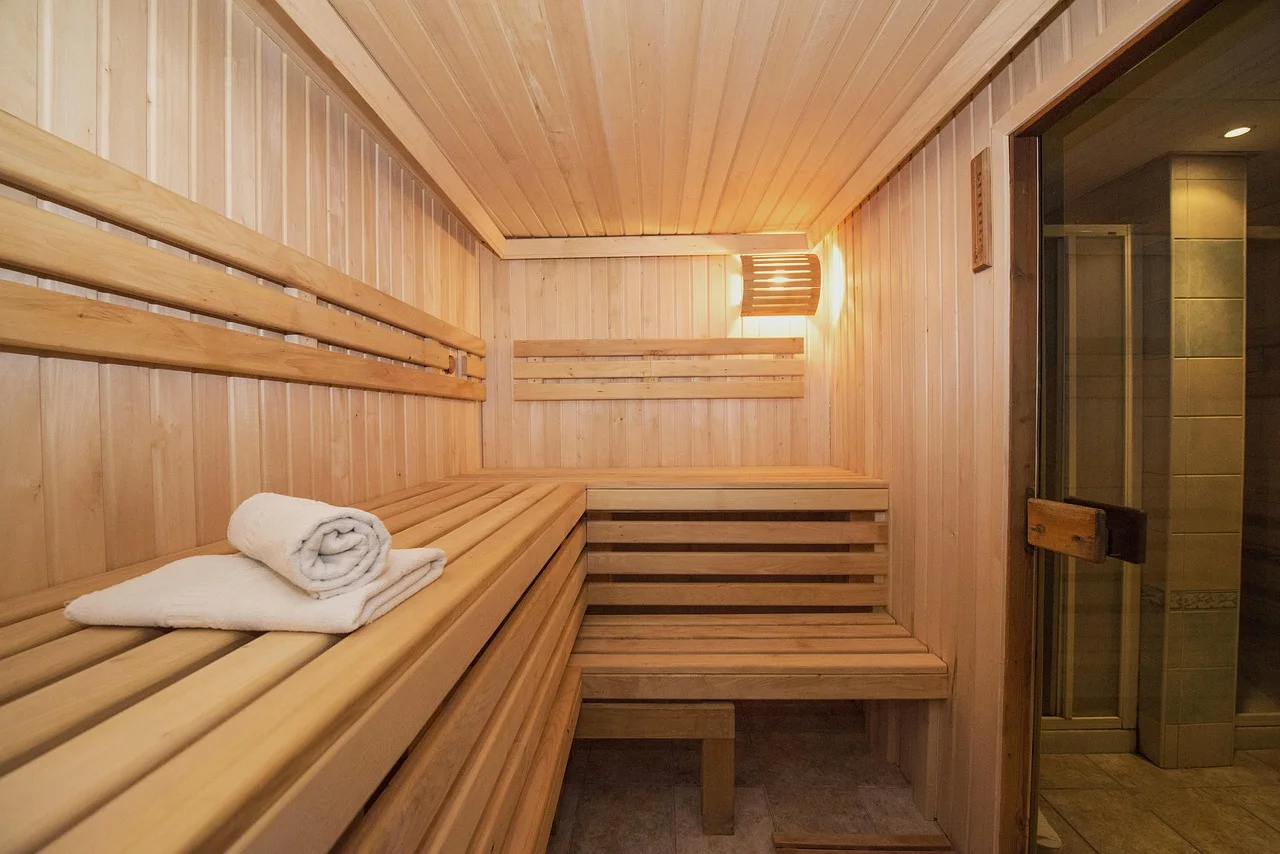
Traditional advantages for pain users: Stronger evidence base for general health outcomes including the inflammatory and autonomic effects, more established protocols, often paired with cold-plunge contrast which has its own pain-relief benefits in some contexts.
For new sauna users with chronic pain, infrared is often the easier starting point. For established users with pain who already tolerate Finnish-style heat, no compelling reason to switch modalities.
Where this fits with broader pain management
Sauna sits inside a broader chronic-pain management framework that includes:
- Movement and graduated exercise — the single largest evidence-based intervention for chronic pain, particularly back pain
- Sleep optimization — chronic pain and sleep disruption are bidirectional; fixing sleep often improves pain
- Stress management and mental health support — chronic pain involves central sensitization that responds to broader stress regulation
- Medication appropriately — both pharmacological and topical options have their place
- Physical therapy and modalities — manual therapy, dry needling, modalities like TENS or laser
- Sometimes interventional procedures — injections, radiofrequency ablation in specific cases
Sauna stacks on top of all of these. It doesn't replace any. The combined effect of regular sauna + appropriate exercise + good sleep + appropriate medication is meaningfully larger than any one intervention alone.
A realistic expectation
If you adopt a 3-sessions-per-week sauna routine for chronic mechanical back pain alongside whatever else you're already doing, the most likely outcome over 8–12 weeks is a modest reduction in baseline pain (perhaps 20–30% on a numerical pain scale), better function during the post-sauna window, and improved sleep. You probably won't eliminate the pain. You probably will reduce its impact on daily function meaningfully.
For inflammatory arthritis with appropriate disease-modifying treatment, sauna typically reduces stiffness and improves quality of life without affecting disease activity markers. For fibromyalgia, the combination of pain, sleep, and fatigue often improves with regular sauna use.
For pain that doesn't fit the muscle-tension/inflammation/central-sensitization framework — mechanical compression, severe joint degeneration, neuropathic syndromes — expect less.
Bottom line
Sauna has reasonable evidence for chronic mechanical back pain, fibromyalgia, and inflammatory arthritis as adjunctive symptom management, with effects emerging over 8–12 weeks of consistent use. The mechanism is some combination of muscle relaxation, improved local circulation, mild systemic anti-inflammatory effect, and improved sleep and stress regulation. Sauna doesn't help acute injuries, severe joint degeneration, neuropathic pain, or pain with red-flag features.
Use it as part of a broader pain-management approach that includes movement, sleep, appropriate medication, and the rest of evidence-based pain care. Don't expect dramatic immediate relief. Do expect modest improvement in baseline pain and meaningful improvement in function over 2–3 months of consistent use.
Build the habit alongside other care. Browse listings near you, and read our companion guides on the optimal routine, stress management, and sauna for athletes (the recovery mechanisms transfer well to chronic-pain context). Talk to your physician about adding sauna to your existing pain treatment plan.