

Badstuer i Tallinn
Estonia
Hva er de beste badstuene i Tallinn?
Tallinn's sauna culture is layered between three traditions: the Soviet-era communal bathhouse (pesumaja) that served apartment-block residents without private baths; the traditional Estonian savusaun (smoke sauna), inscribed on the UNESCO intangible heritage list and still found in rural areas and dedicated urban venues; and the modern hotel-spa and wellness-club scene that has expanded since Estonian independence. Kalma Saun and Club 26 offer accessible public sessions in the Kalamaja and city-centre districts. The savusaun experience — a wood-fired sauna without a chimney where smoke heats the room before being vented out — is bookable through several operators running guided sessions 30–45 minutes from the city centre. Swimwear is standard in mixed public sessions; savusaun sessions are typically single-gender.
22 saunas in Tallinn
Kogukonnasaunad
Mimino Baar
Logi Saun
Raua saun
Tartu maantee leilisaun
Kalma Saun
Ristiku saun
Mustamäe Elamus Spa
Lasnamäe Ökosaun
Tallink Spa & Conference
Mimino Baar

Hotel Telegraaf, Autograph Collection
Luxury hotel in a restored 1878 telegraph building in Tallinn's UNESCO old town — sauna, steam bath, jacuzzi, indoor pool and Tchaikovsky restaurant.
Ring Spa
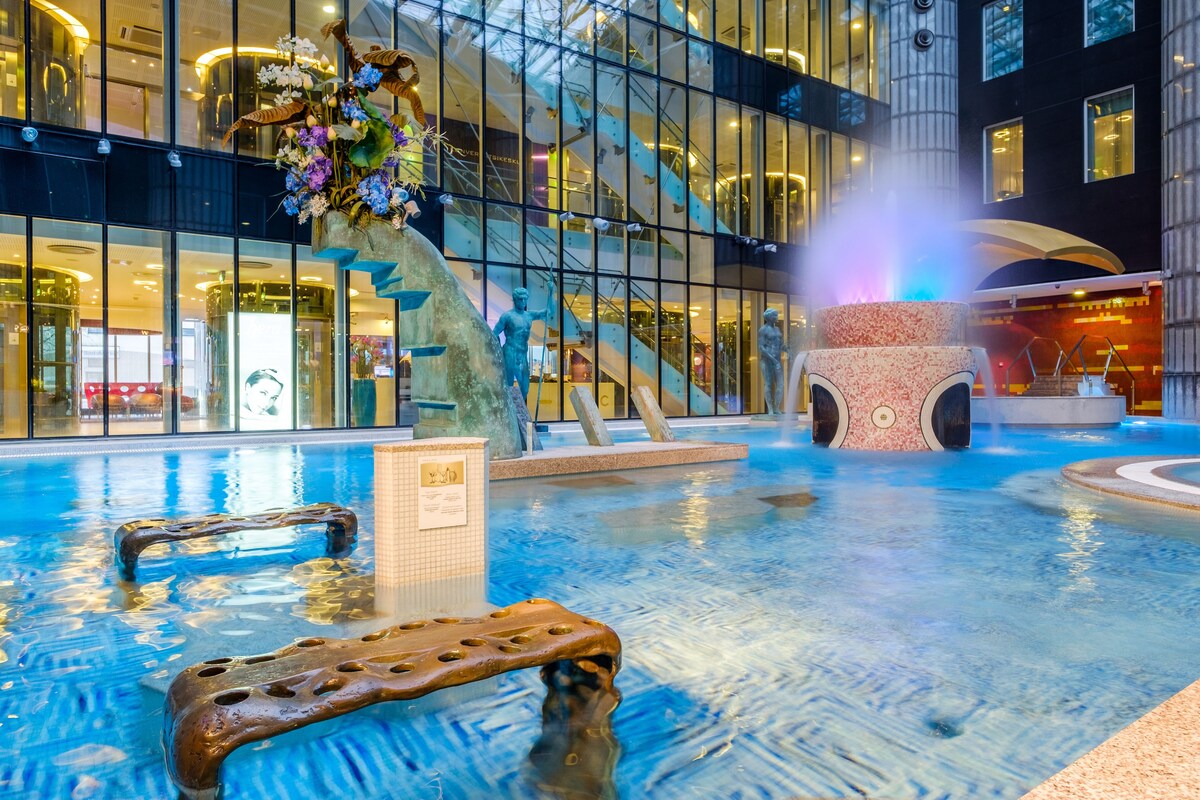
Tallink Spa and Conference Hotel
Modern Tallinn spa hotel near the ferry terminal with indoor pool, sauna, steam room, full-service spa, and comprehensive conference facilities.
Iglupark
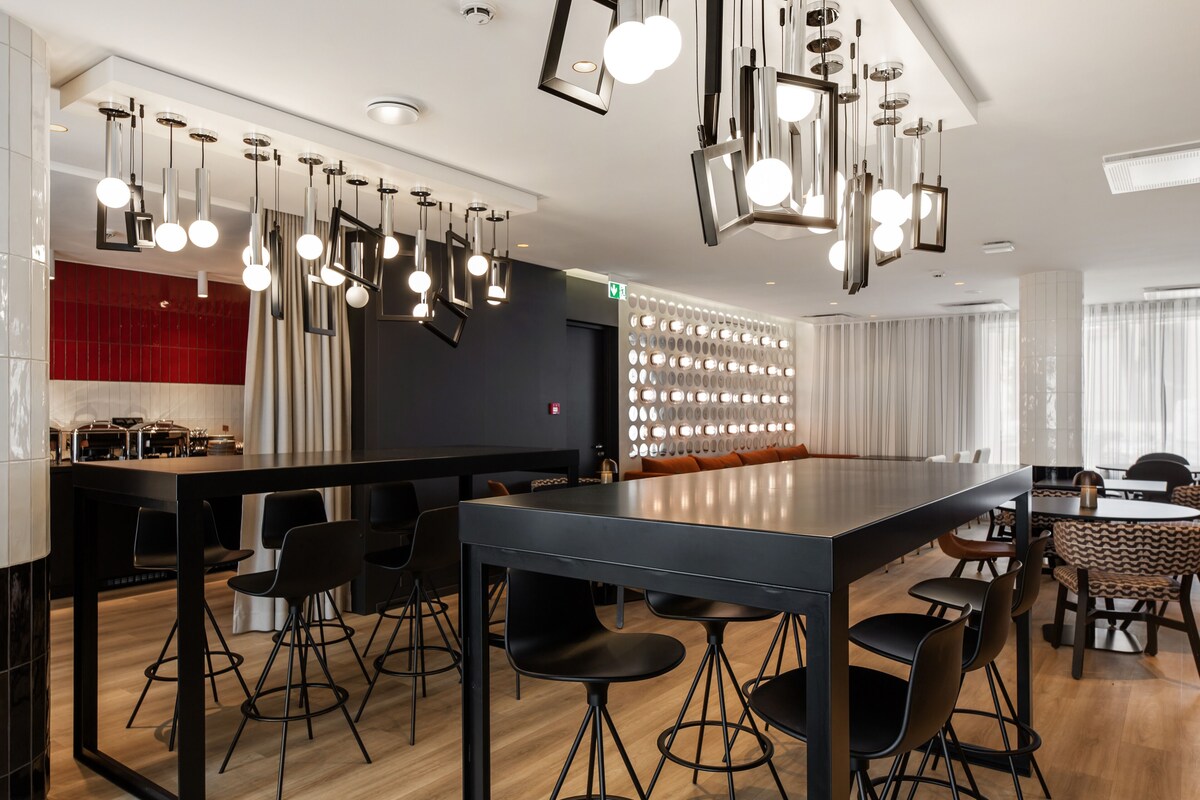
ibis Styles Tallinn
Centrally located Tallinn hotel with conference centre, business facilities, and strong eco credentials near the medieval Old Town.

Swissôtel Tallinn
Modern hotel in Tallinn's tallest building with Pürovel Spa & Sport — Finnish sauna, indoor pool and 24-hour gym. Michelin-listed Horisont restaurant.
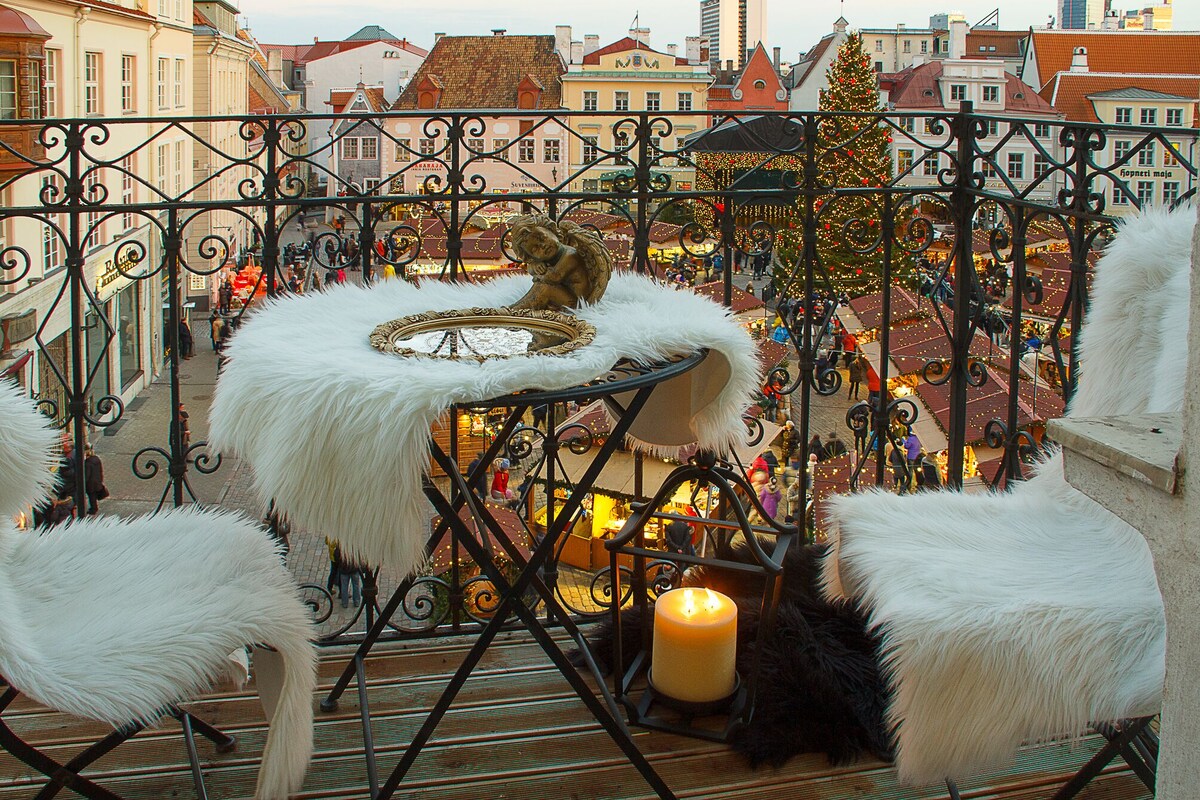
Oldhouse Apartments
Self-catering apartments on a medieval cobblestone street in the heart of Tallinn's UNESCO-listed Old Town.
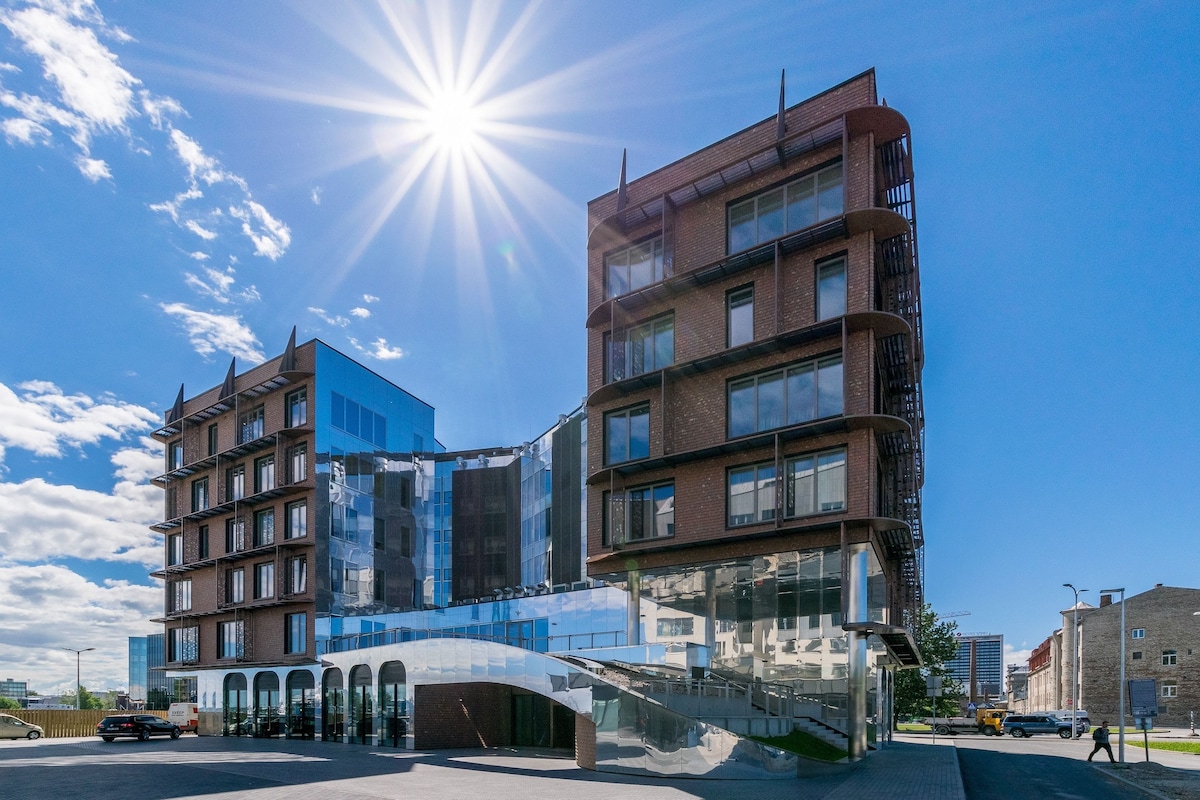
Tallinn Luxury Apartments with sauna and old town view
Self-catering apartments with private sauna and old town views at the edge of Tallinn's UNESCO Vanalinn, steps from Town Hall Square.
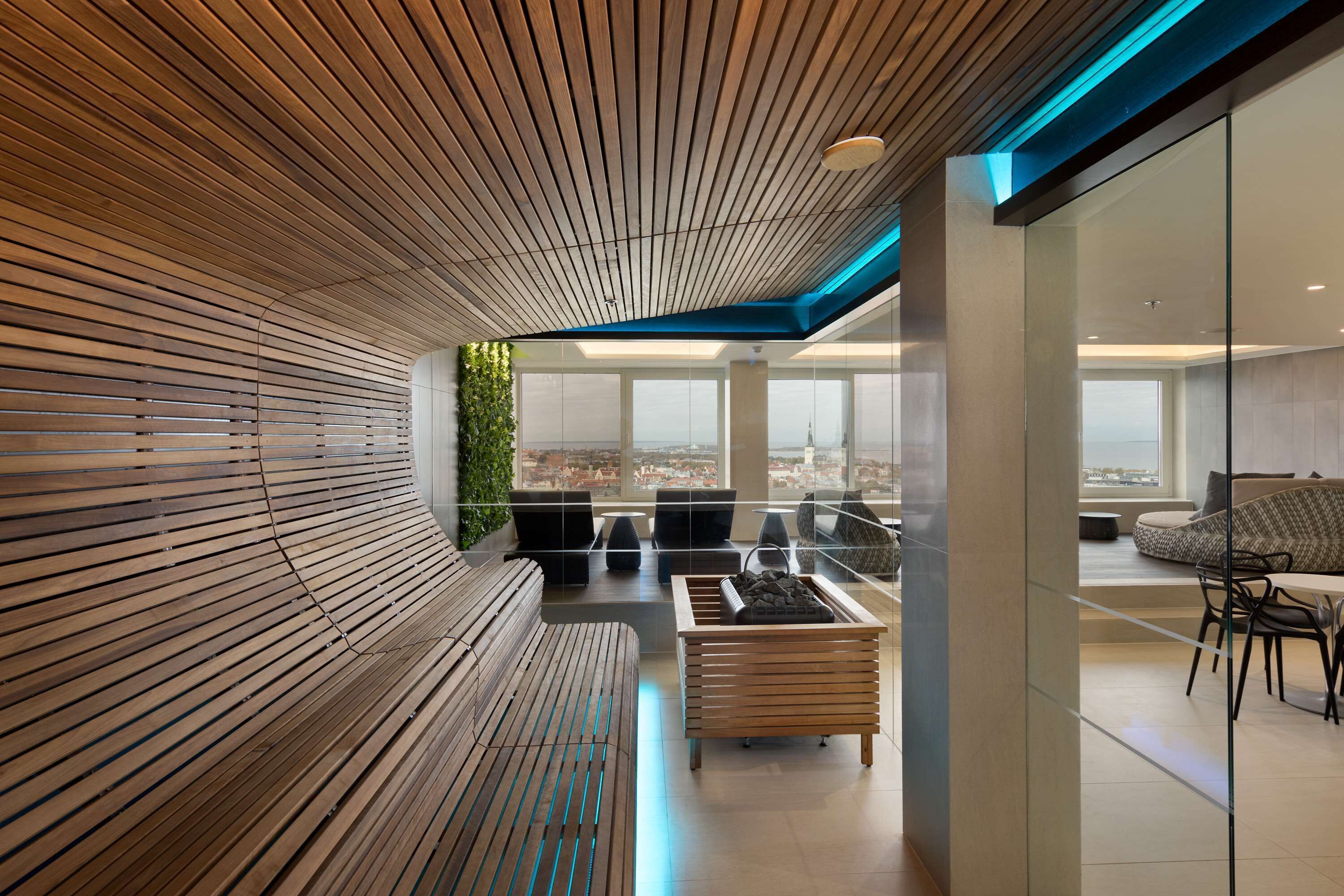
Radisson Blu Hotel Olümpia
Large central Tallinn hotel with Club 26 spa at the top — indoor pool, sauna, steam bath, jacuzzi and panoramic views over the old town.

Schlössle Hotel
Exclusive 23-room boutique in a medieval Tallinn old-town building — sauna, spa bath and deep tissue massage. Small Luxury Hotels of the World.
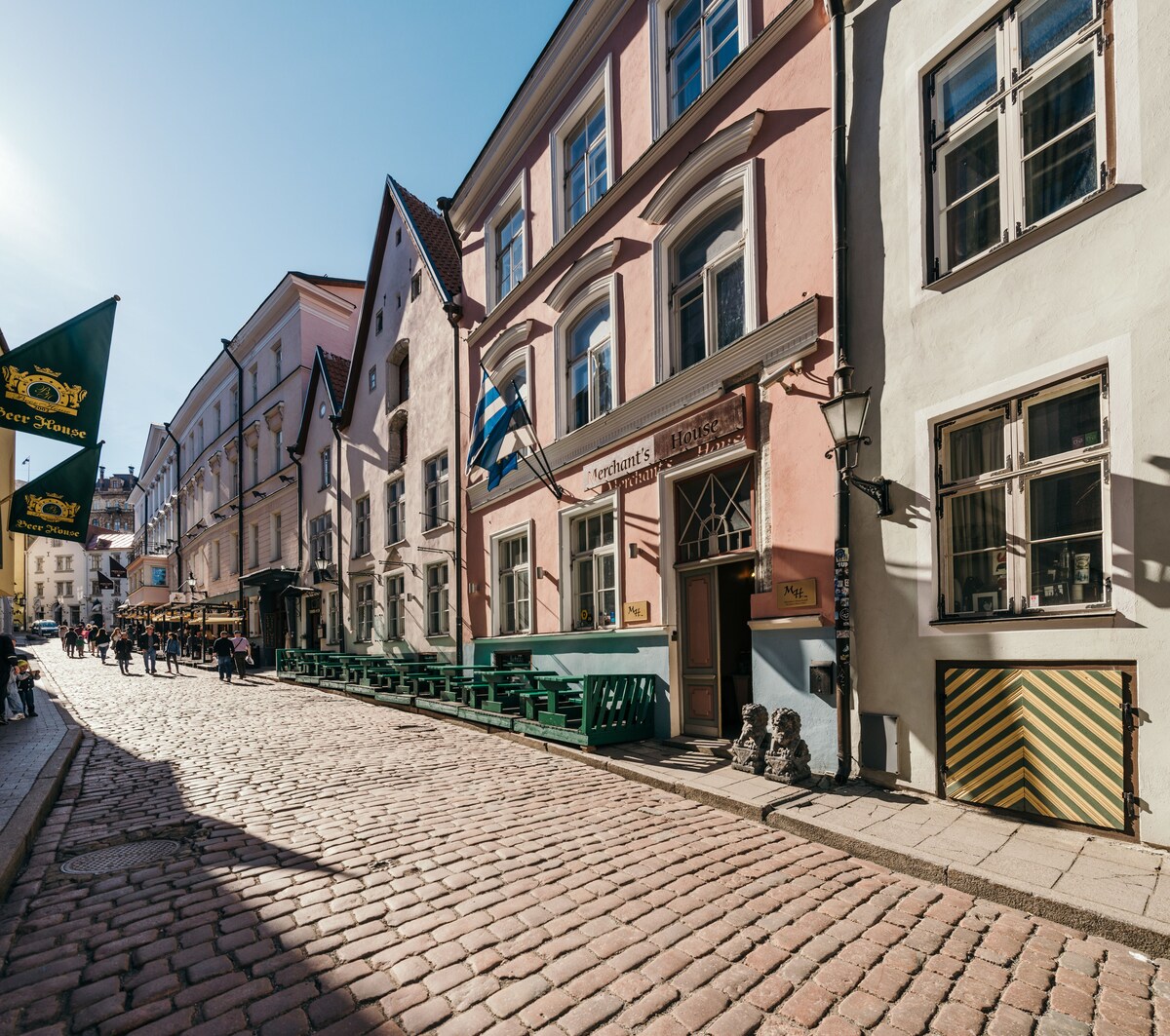
Merchants House Hotel
Historic boutique hotel in Tallinn's UNESCO Old Town with sauna, spa services, restaurant, terrace, and a welcoming fireplace lobby.
Utforsk badstuer i Tallinn etter type
Frequently asked questions
What is an Estonian savusaun (smoke sauna)?
A savusaun is a wood-fired sauna without a chimney — the fire heats the room and stones while filling it with smoke, which is then vented before bathers enter. The smoke-infused walls retain heat for hours. Estonia's savusaun tradition is UNESCO-listed.
Where can I try a smoke sauna near Tallinn?
Several operators run guided smoke sauna sessions 30–45 minutes outside Tallinn. Telliskivi and some Kalamaja operators offer urban savusaun experiences. The most authentic sessions are in Võrumaa in southern Estonia — a 3-hour drive.
Are Tallinn saunas expensive?
Less so than Scandinavian or Western European capitals. Public sauna entry in Tallinn runs €8–15; guided savusaun sessions with a sauna master cost €25–60 depending on group size and duration.
What is Kalma Saun in Tallinn?
Kalma Saun is Tallinn's most popular neighbourhood public sauna, operating in the Kalamaja district. It offers traditional public sessions in both Finnish and steam saunas at low prices — the most accessible entry point to Tallinn's public sauna culture.
