
Badstuer i Helsinki
Finland
Hva er de beste badstuene i Helsinki?
Helsinki is the world capital of urban public sauna culture, with over 50 public saunas operating in a city of 650,000. Löyly — a waterfront sauna complex on the Hernesaari peninsula designed by Avanto Architects — set a new global standard for sauna architecture when it opened in 2016. Allas Sea Pool pairs three outdoor pools with waterfront saunas on the central Market Square, open year-round with direct Baltic Sea access. Kotiharju Sauna in Kallio has been running wood-fired sessions since 1928, making it the city's oldest surviving public sauna. The free community sauna at Sompasauna operates around the clock, entirely volunteer-run. Helsinki's sauna etiquette is diverse: Finnish tradition means hotter and drier than Nordic counterparts (80–100°C), swimwear-optional in single-gender sessions, and always paired with cold water — sea, lake, or plunge pool.
90 saunas in Helsinki
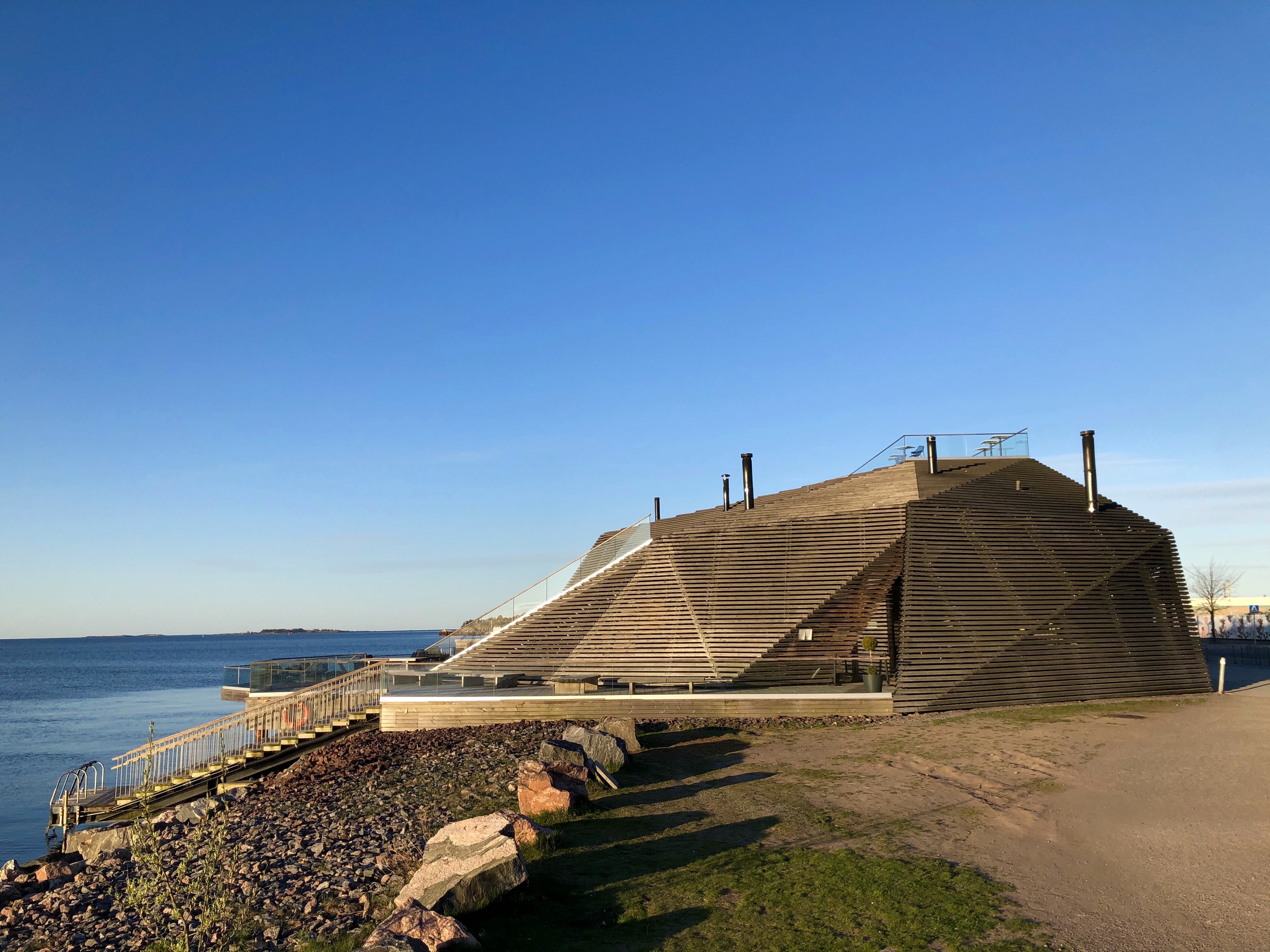
Loyly Helsinki
GoToSauna har verifisert at dette stedet eksisterer og er aktivt.Award-winning public sauna by the sea with stunning architecture and restaurant.
Kotiharjun Sauna
Historic Helsinki wood-fired sauna since 1928
Ouritsaaren talviuintipaikka
Vuosaaren saunapirtti
NoLi Studios Sörnäinen
Olutravintola Malmgård saunatila
Löylykontti Sörnäinen
Kotiharjun sauna
Temppeli

Lapland Hotels Bulevardi
Central Helsinki Lapland-themed hotel where 100+ rooms have a private Finnish sauna. Award-winning breakfast and Tripadvisor #3 of 70.

Solo Sokos Hotel Torni
Helsinki's 1931 art deco landmark — 14-storey tower with rooftop Finnish sauna, the famous Ateljee Bar and eco-certified luxury rooms.
Talin Sauna
Bunkkerisauna
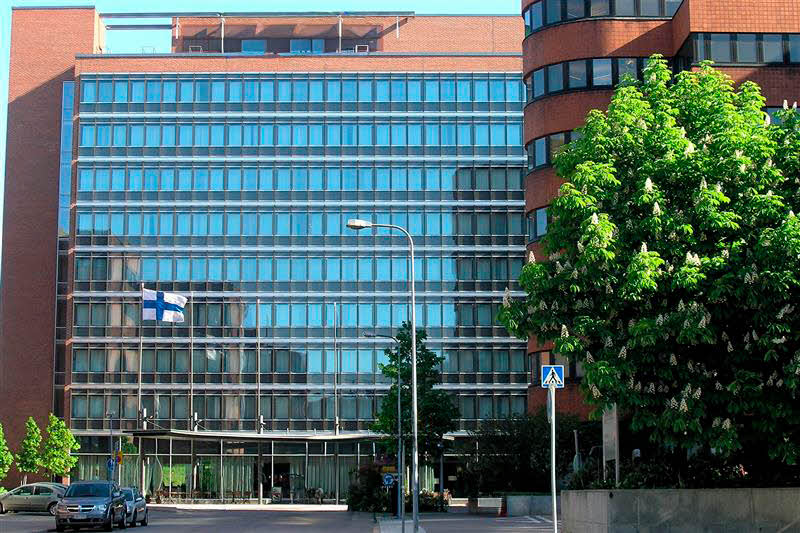
Scandic Ruoholahti
Scandic Ruoholahti (Helsinki) keeps a calm, electric sauna with drop-in access for hotel guests and day visitors — a low-friction wellness pause for travellers passing through.
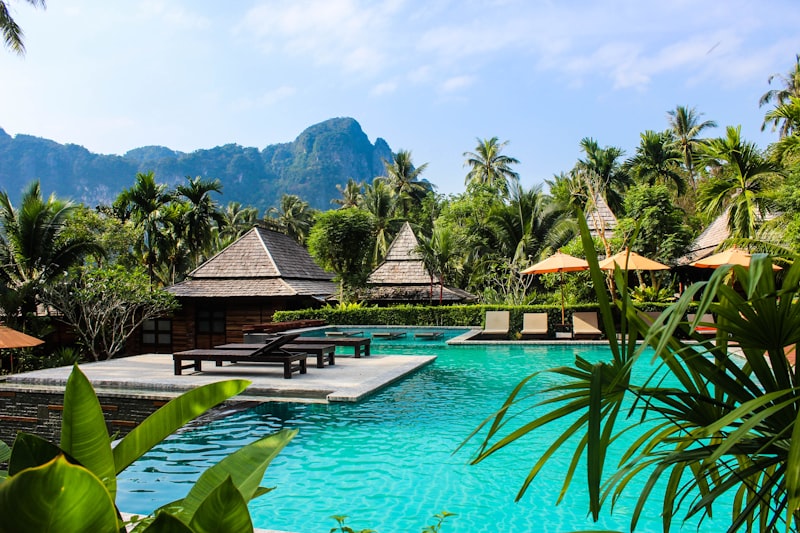
Allas Sea Pool
Urban sea pool and sauna complex in Helsinki's Market Square with heated and sea water pools.
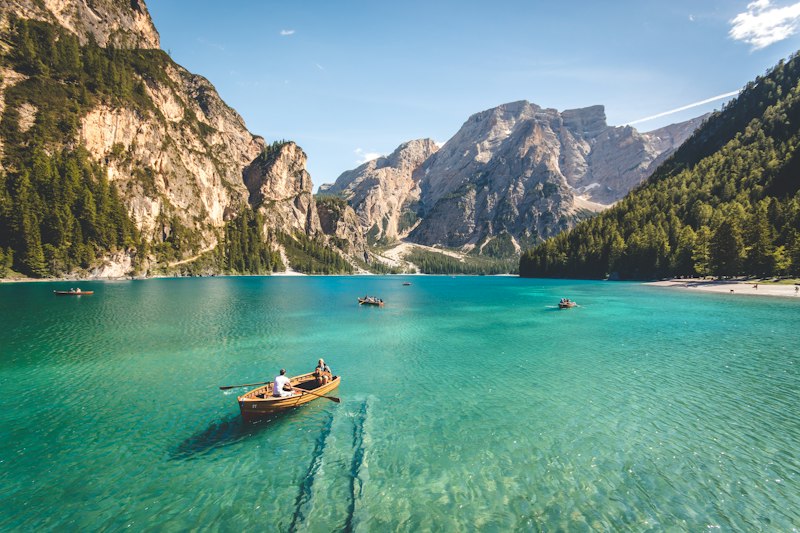
Private Island Sauna Experience
Exclusive private sauna on a small island in Helsinki's archipelago. By boat only.
Villa Kuunari
Torpan sauna
Mäkelänkadun Sauna
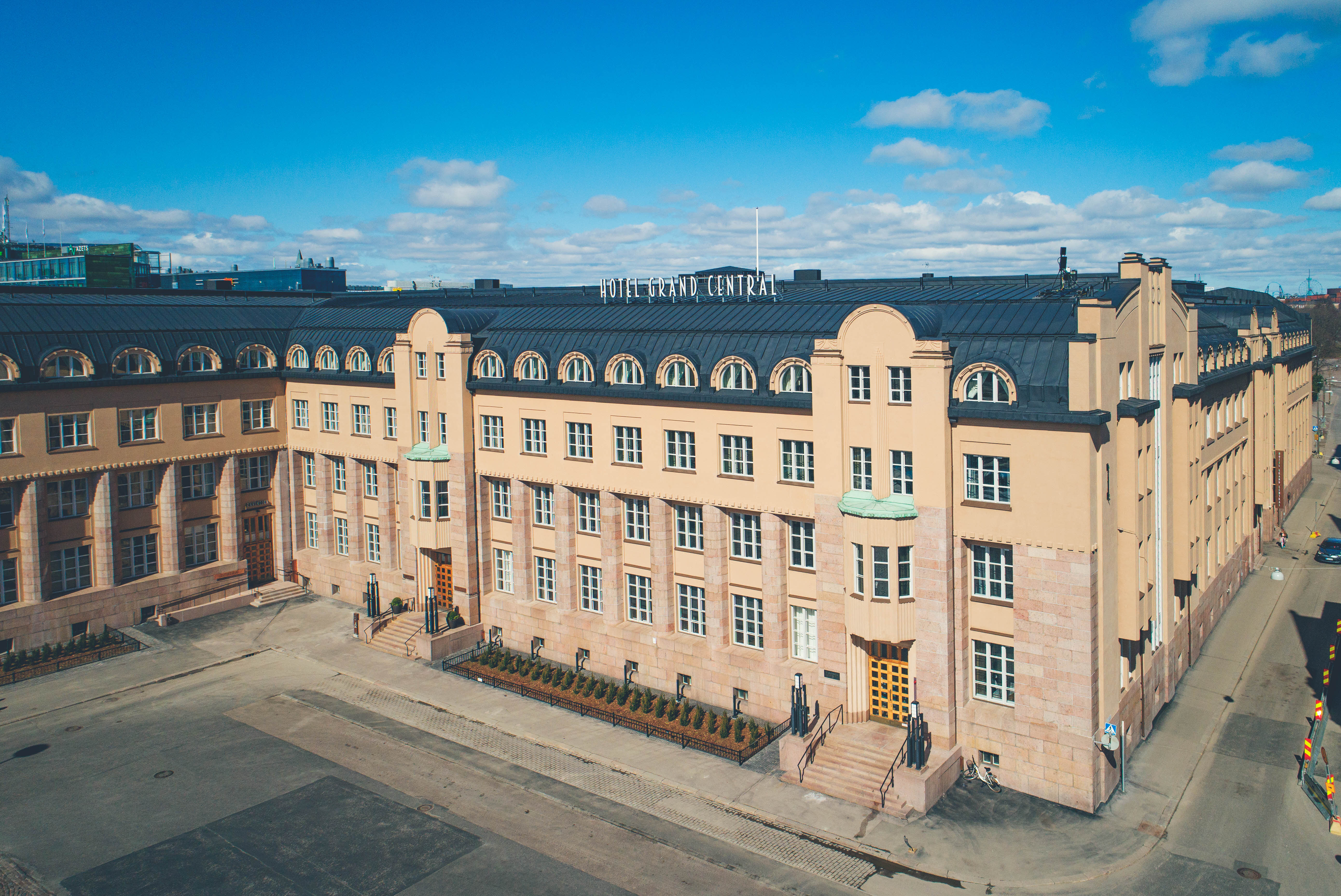
Scandic Grand Central Helsinki
Scandic Grand Central Helsinki (Helsinki) keeps a calm, electric sauna with private access for hotel guests — a low-friction wellness pause for travellers passing through.
Poliisien kesäkodin saunat
Vallisaaren tilaussauna
Koivula
Allas Pool
Löyly
Kuusiluodon sauna
Tamminiemen sauna
Kolmonen
Gay Sauna Con Hombres
Pikku leikosaari
Särkiniemen sauna
Pasilan Saunatilat
Gay Sauna Vogue
Urbansauna Kallio
Vaskiniemen saunat
HKL:n rantamaja
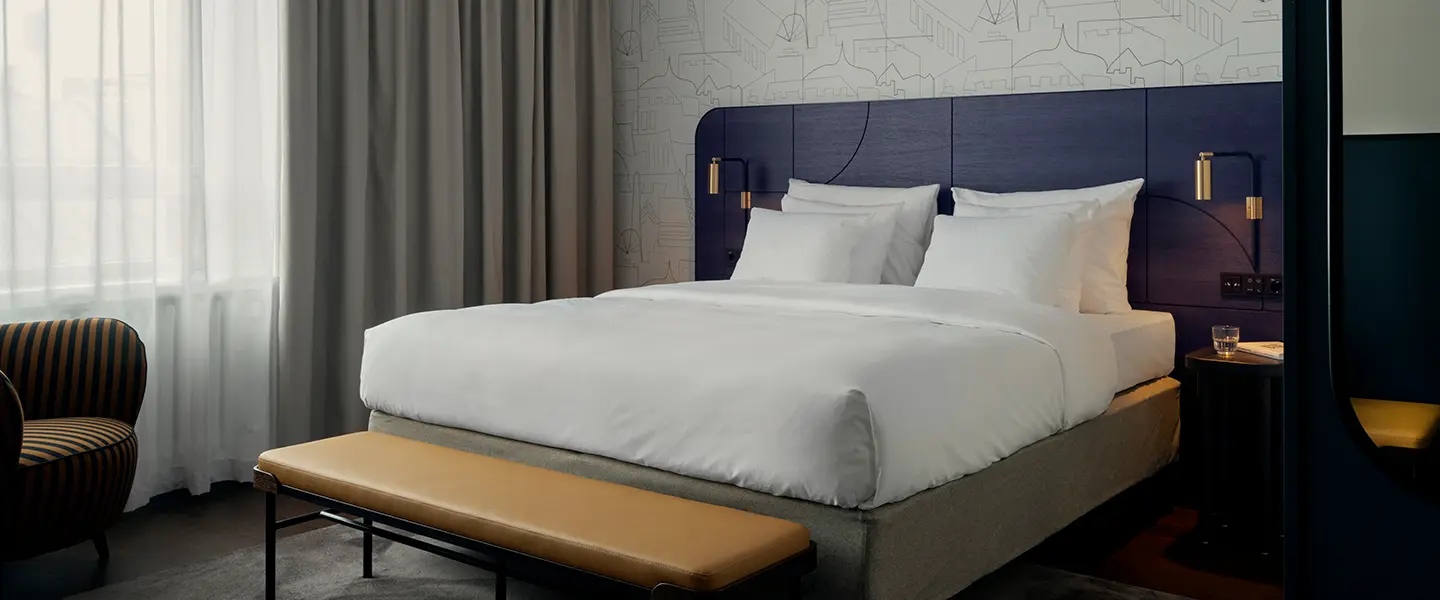
Solo Sokos Hotel Helsinki
Electric hotel sauna for staying guests at Solo Sokos Hotel Helsinki — a quiet Finnish wellness ritual on a premium central Helsinki stay in Helsinki.
Sauna2
Sauna2
Furuvik rantasauna
Sauna (Talviuinti- Smark)
Oulunkylän liikuntapuisto, saunat
Kyrö Sauna Bar
Arla Sauna
Traditional neighborhood sauna in Kallio
Sompasauna
Free community sauna by the sea
Rantala
Allas Pool
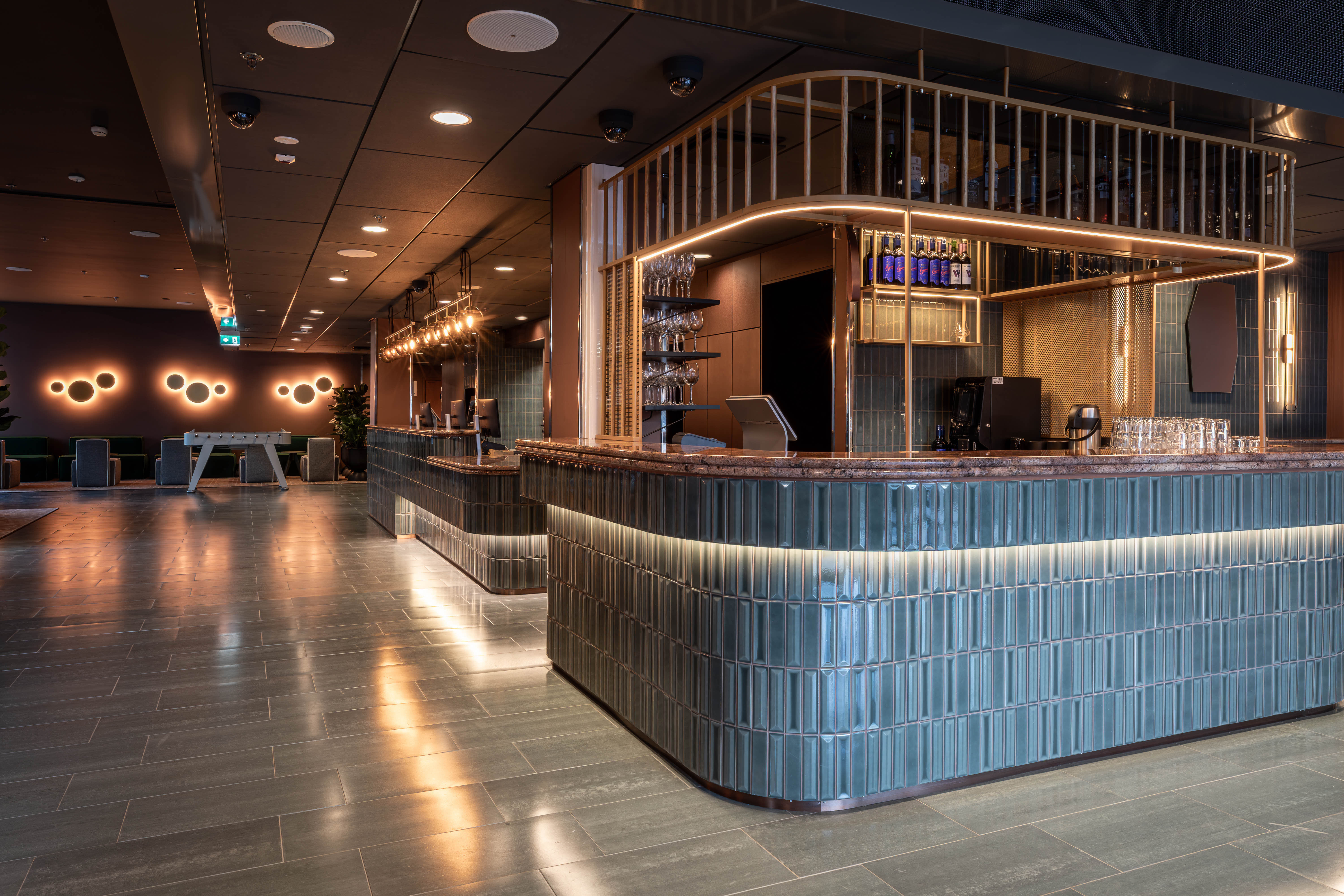
Scandic Helsinki Station
Electric-heated sauna at Scandic Helsinki Station in Helsinki — private access for hotel guests. A simple, restorative wellness moment built into your stay.
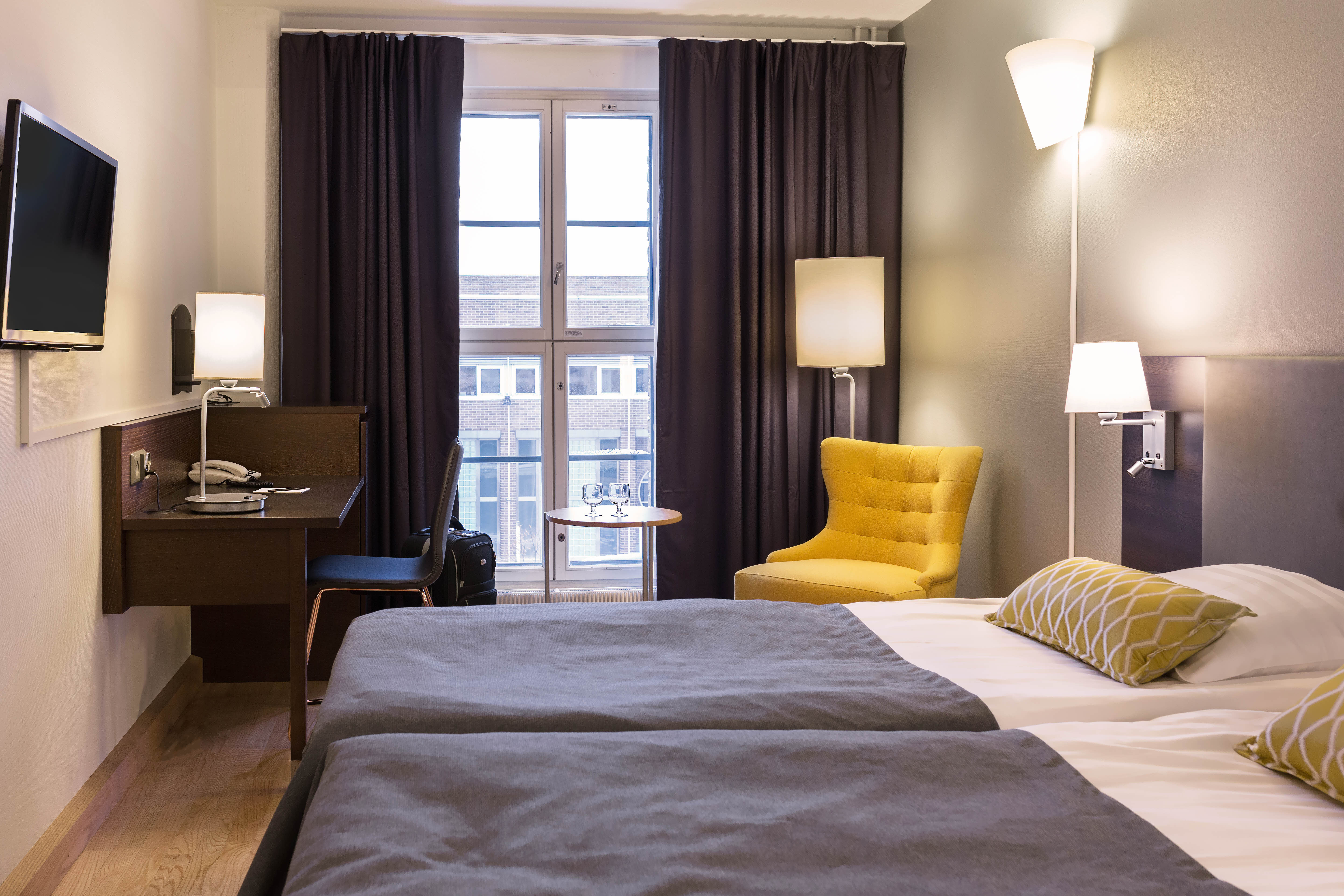
Scandic Grand Marina
Scandic Grand Marina (Helsinki) keeps a calm, electric sauna with private access for hotel guests — a low-friction wellness pause for travellers passing through.
Sauna Hermanni
Kulttuurisauna
Allas Pool
Kaurilan sauna
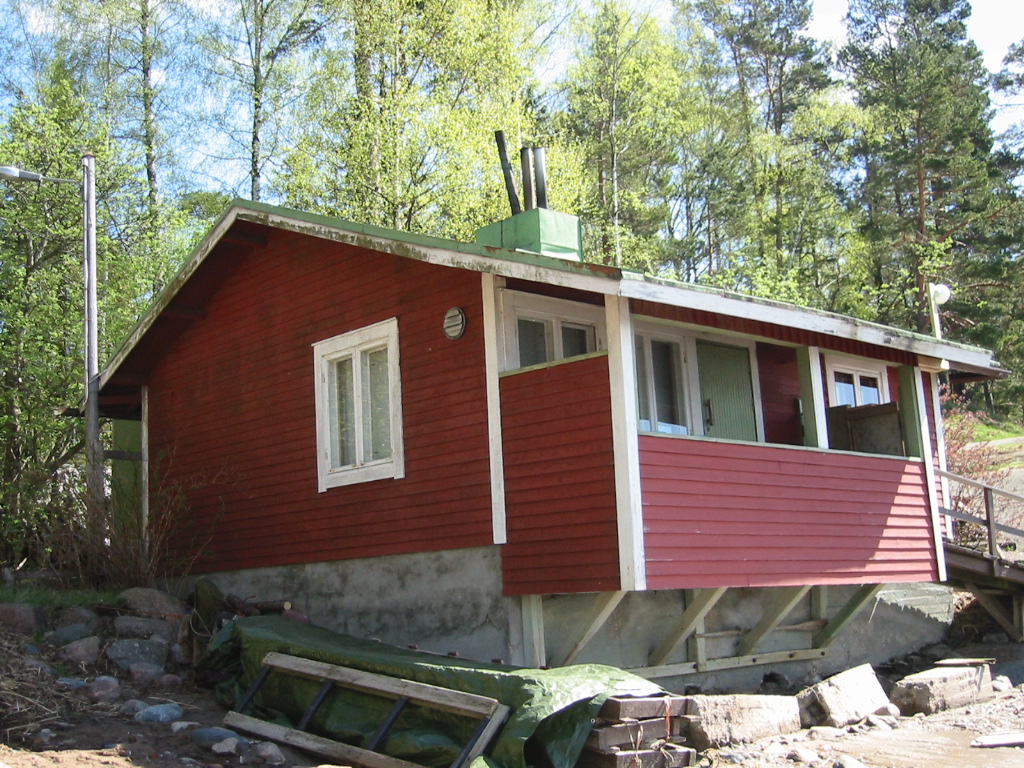
Sotainvalidien sauna
Uusi Sauna
Ponnistuksen sauna
ST1 edustussauna
Rantasauna
Bastu
Sauna- ja varastorakennus
Merisotakoulun sauna
Sannan sauna
S4
Rantasauna

Clarion Hotel Helsinki
Finland's tallest hotel with 16th-floor heated outdoor pool, Finnish sauna and steam bath over Helsinki's harbour. 425 designer rooms in Jätkäsaari.
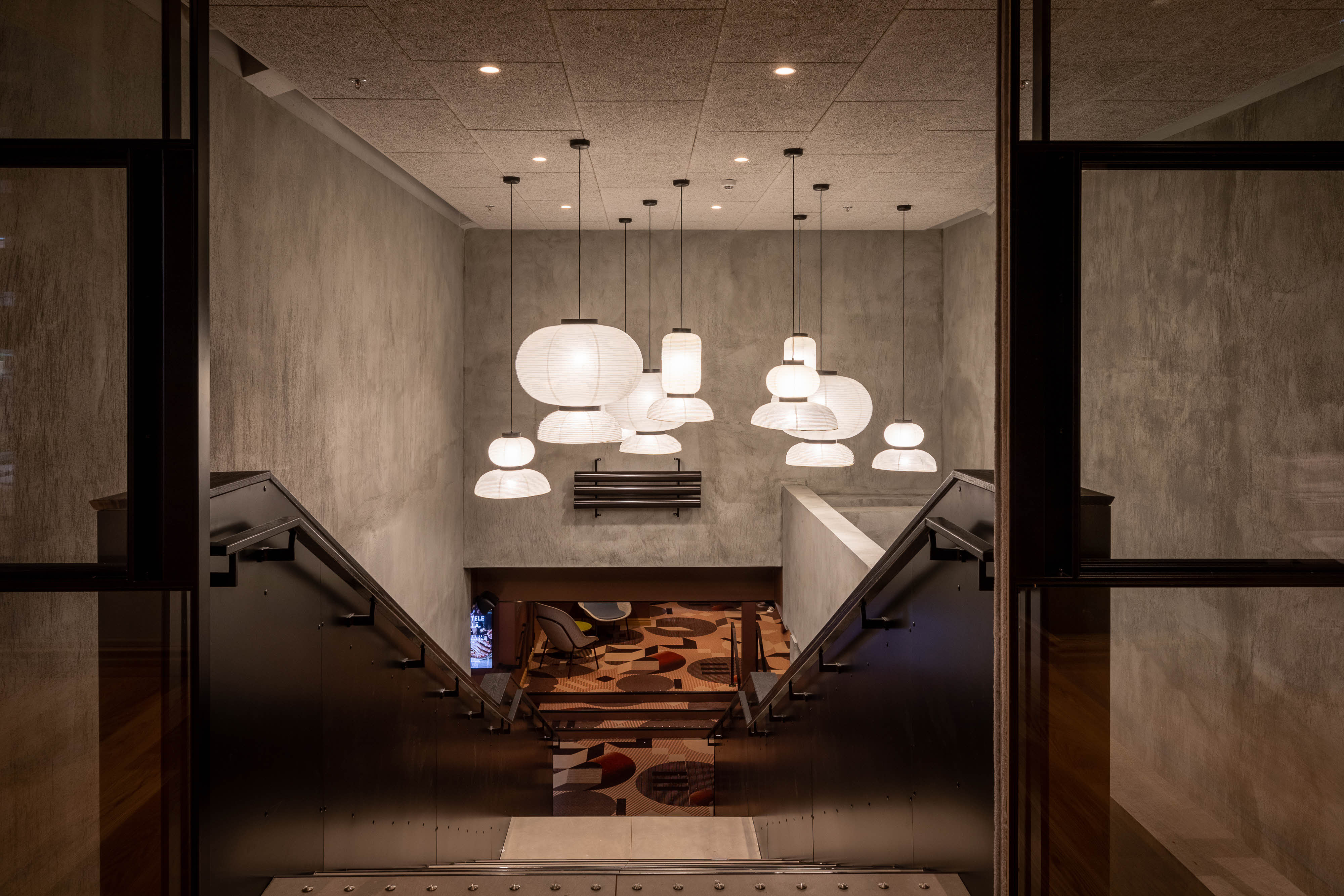
Scandic Helsinki Hub
Scandic Helsinki Hub (Helsinki) keeps a calm, electric sauna with drop-in access for hotel guests and day visitors — a low-friction wellness pause for travellers passing through.
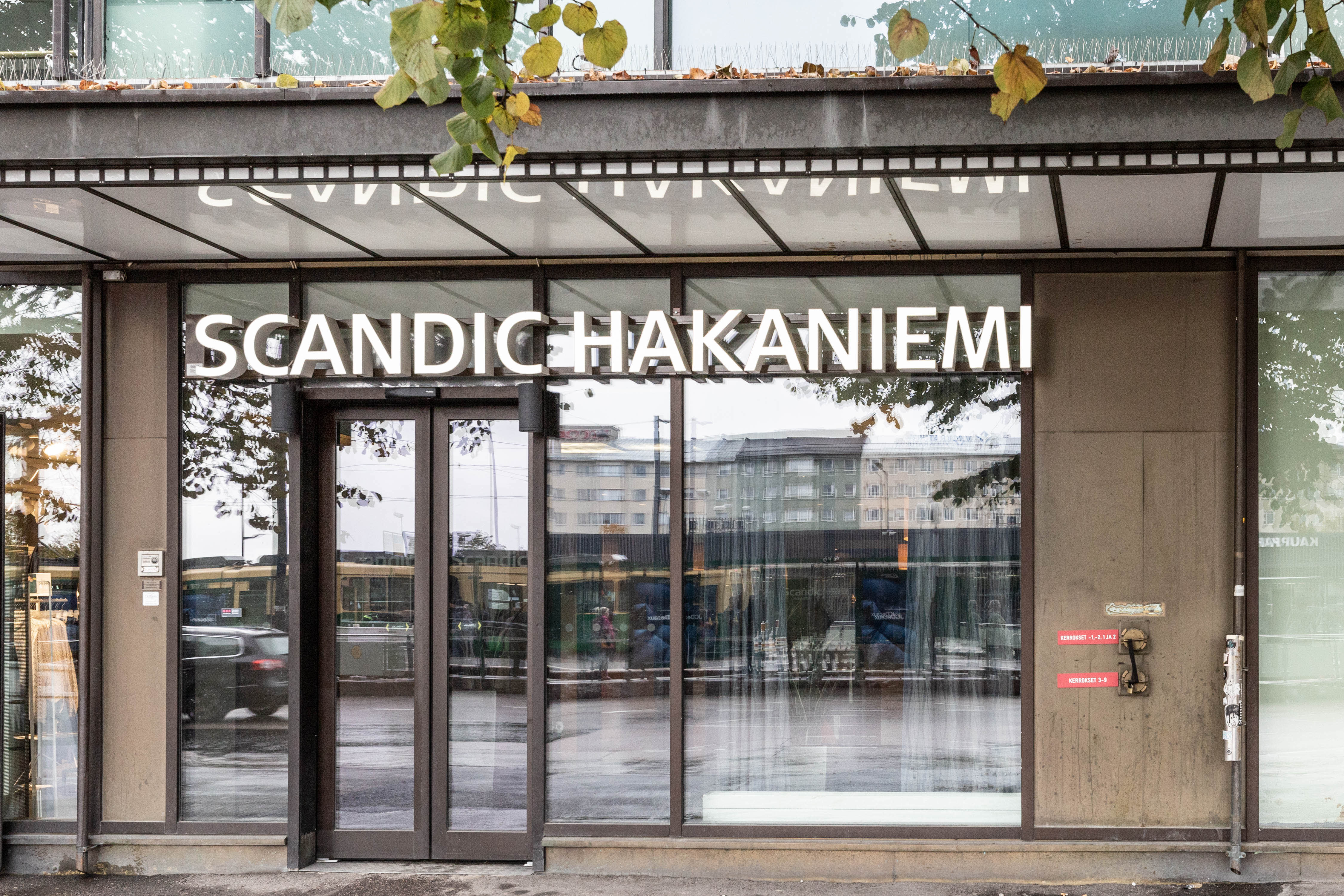
Scandic Hakaniemi
Electric-heated sauna at Scandic Hakaniemi in Helsinki — drop-in access for hotel guests and day visitors. A simple, restorative wellness moment built into your stay.
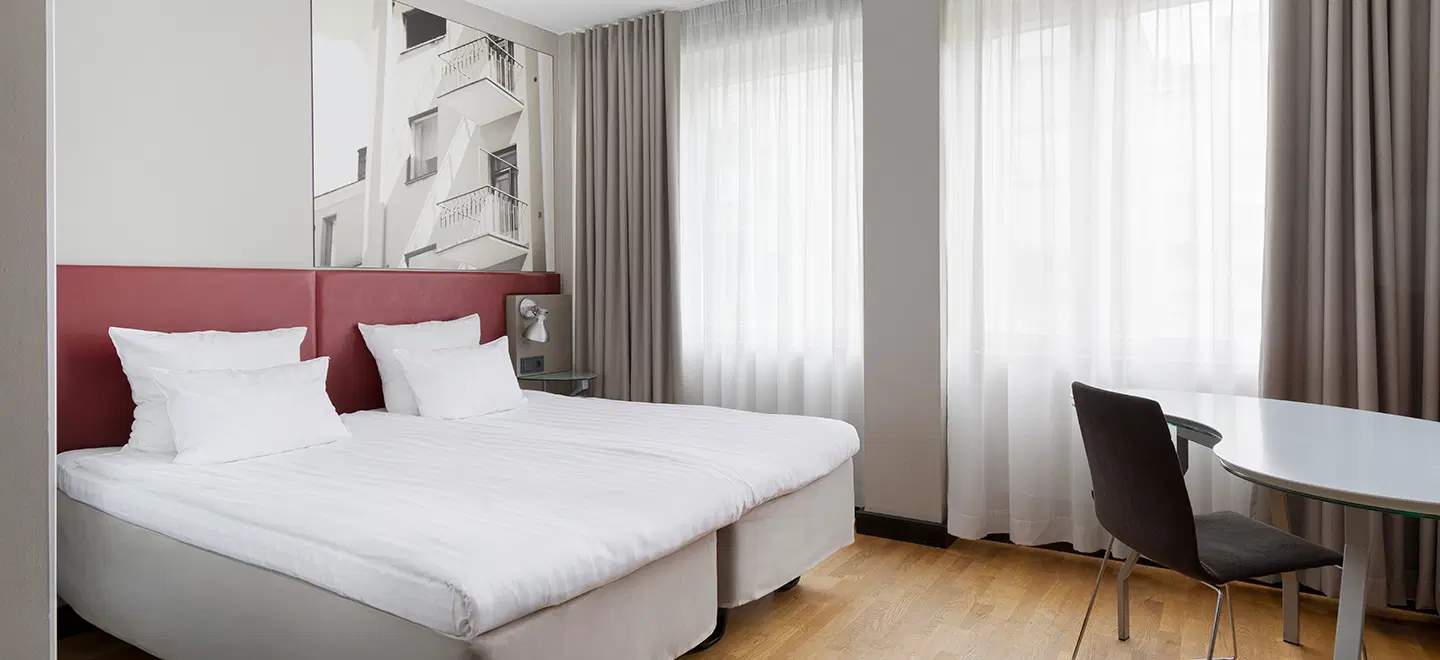
Original Sokos Hotel Albert
Electric hotel sauna for staying guests at Original Sokos Hotel Albert — a quiet Finnish wellness ritual on a design-district stay in Helsinki in Helsinki.
Sompasauna
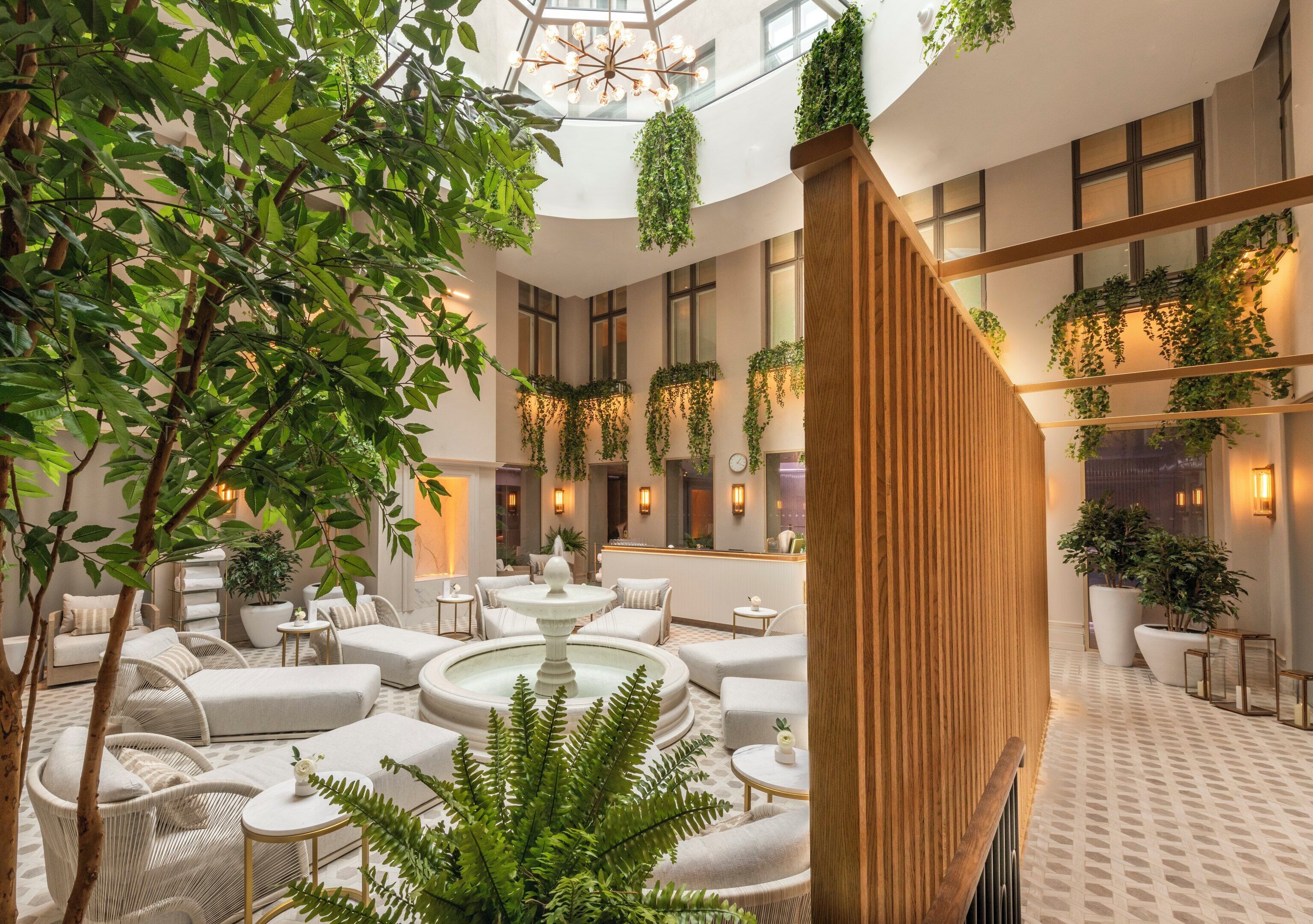
The Hotel Maria
Helsinki's newest five-star, opened Dec 2023 in four historic 1885 Kruununhaka buildings — Maria Spa with sauna, steam bath, jacuzzi and Wellness Concierge.
Haapala

Noli Katajanokka
Studio-apartment hotel in Helsinki's Katajanokka district — full-service spa with hot tubs, sauna and steam room, 24-hour fitness centre, free bike rentals.
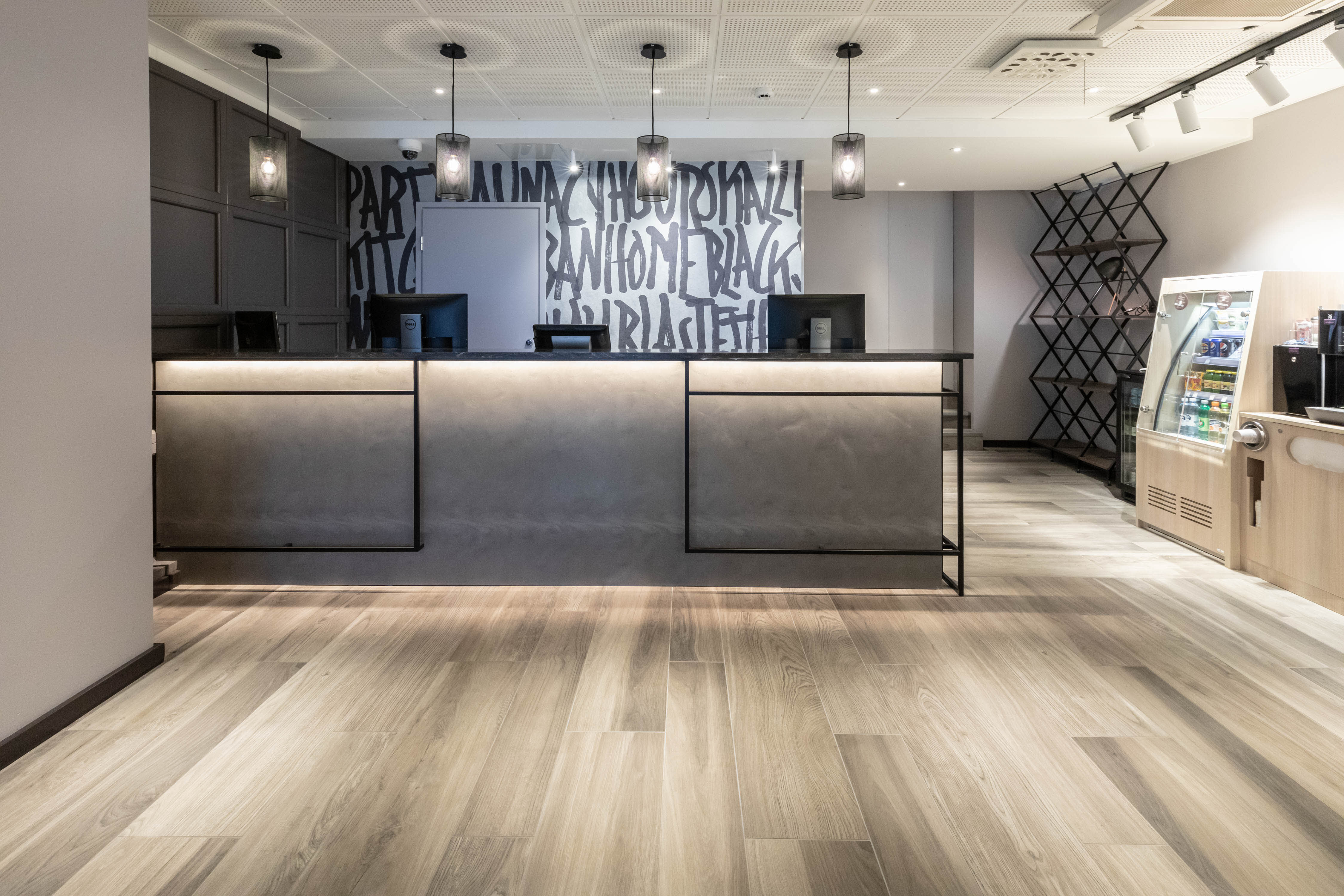
Scandic Kallio
Scandic Kallio (Helsinki) keeps a calm, electric sauna with drop-in access for hotel guests and day visitors — a low-friction wellness pause for travellers passing through.
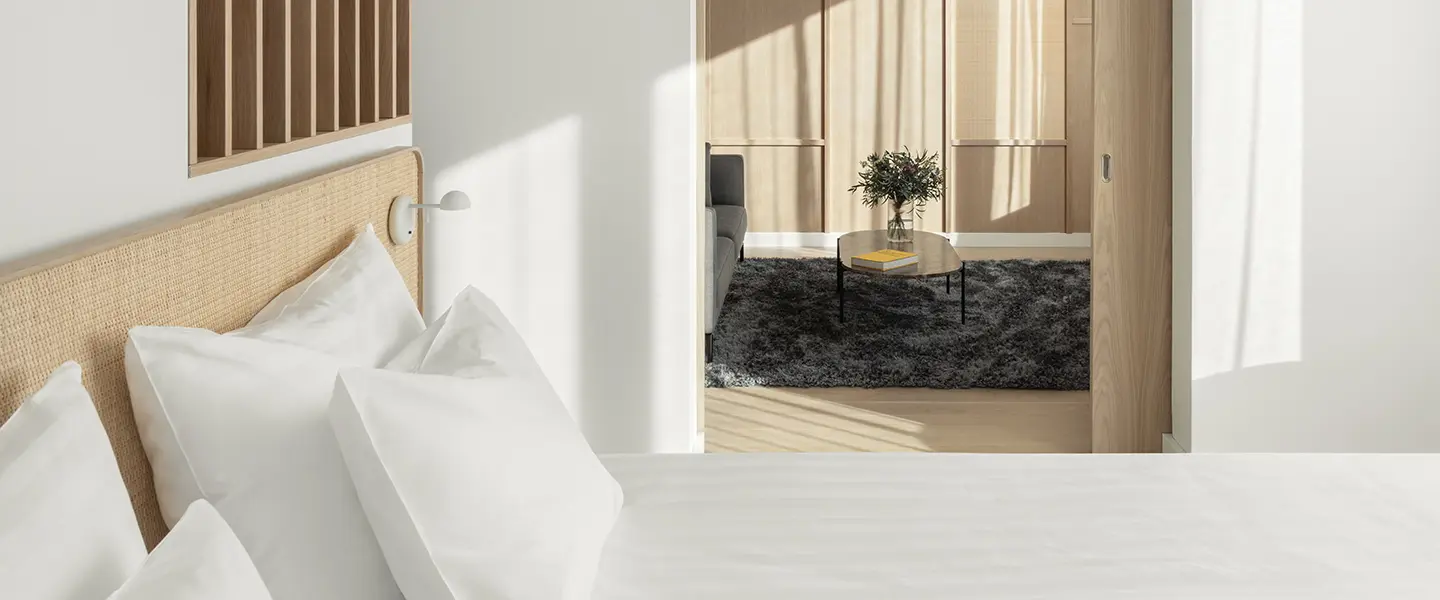
Original Sokos Hotel Tripla
Electric hotel sauna for staying guests at Original Sokos Hotel Tripla — a quiet Finnish wellness ritual on a Pasila Tripla stay in Helsinki in Helsinki.
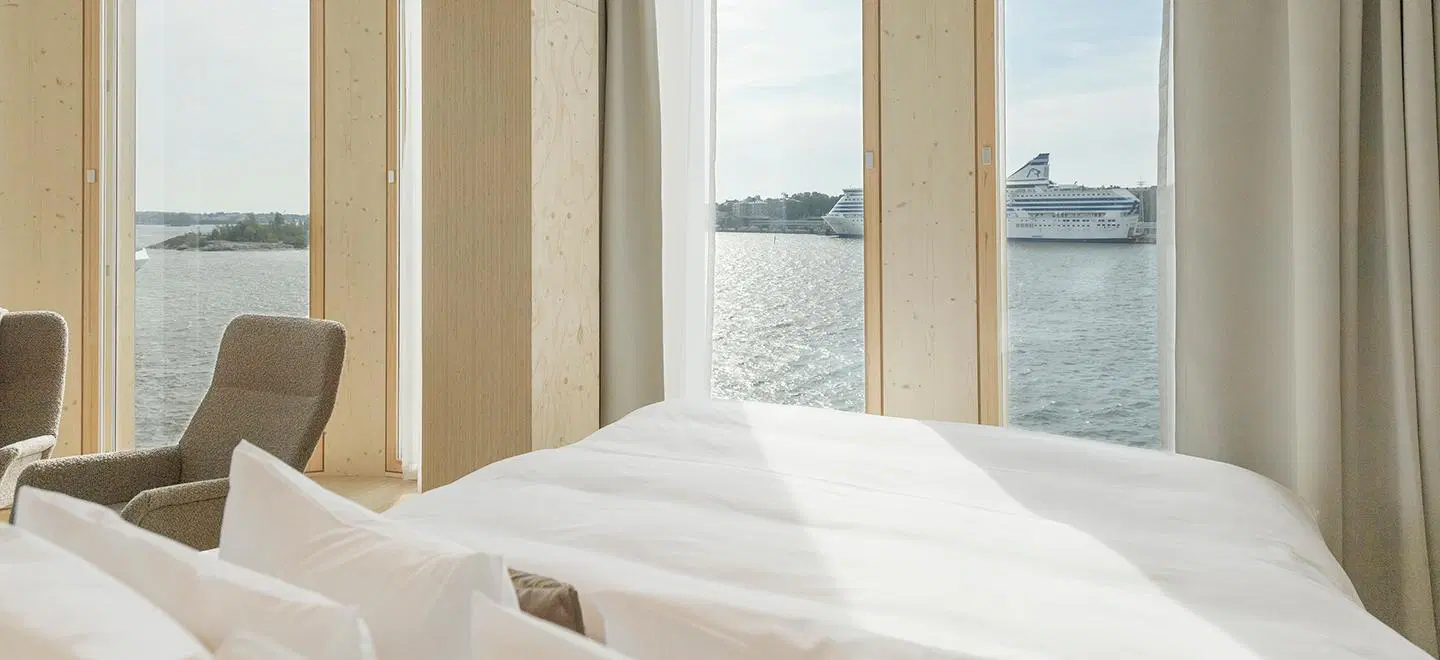
Solo Sokos Hotel Pier 4
Electric hotel sauna for staying guests at Solo Sokos Hotel Pier 4 — a quiet Finnish wellness ritual on a harbour-front stay in Helsinki in Helsinki.
Aalto-sauna
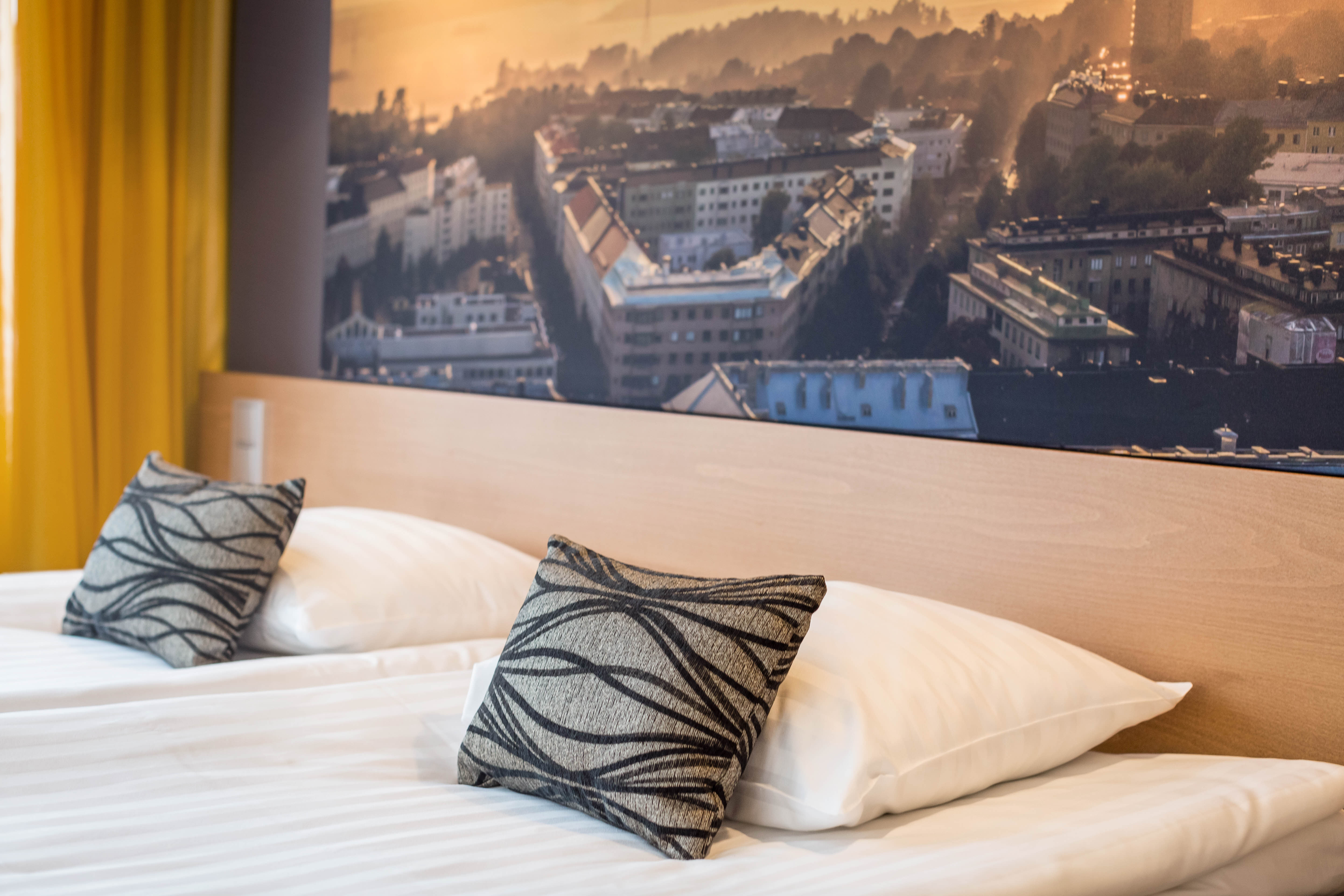
Scandic Meilahti
Electric-heated sauna at Scandic Meilahti in Helsinki — drop-in access for hotel guests and day visitors. A simple, restorative wellness moment built into your stay.
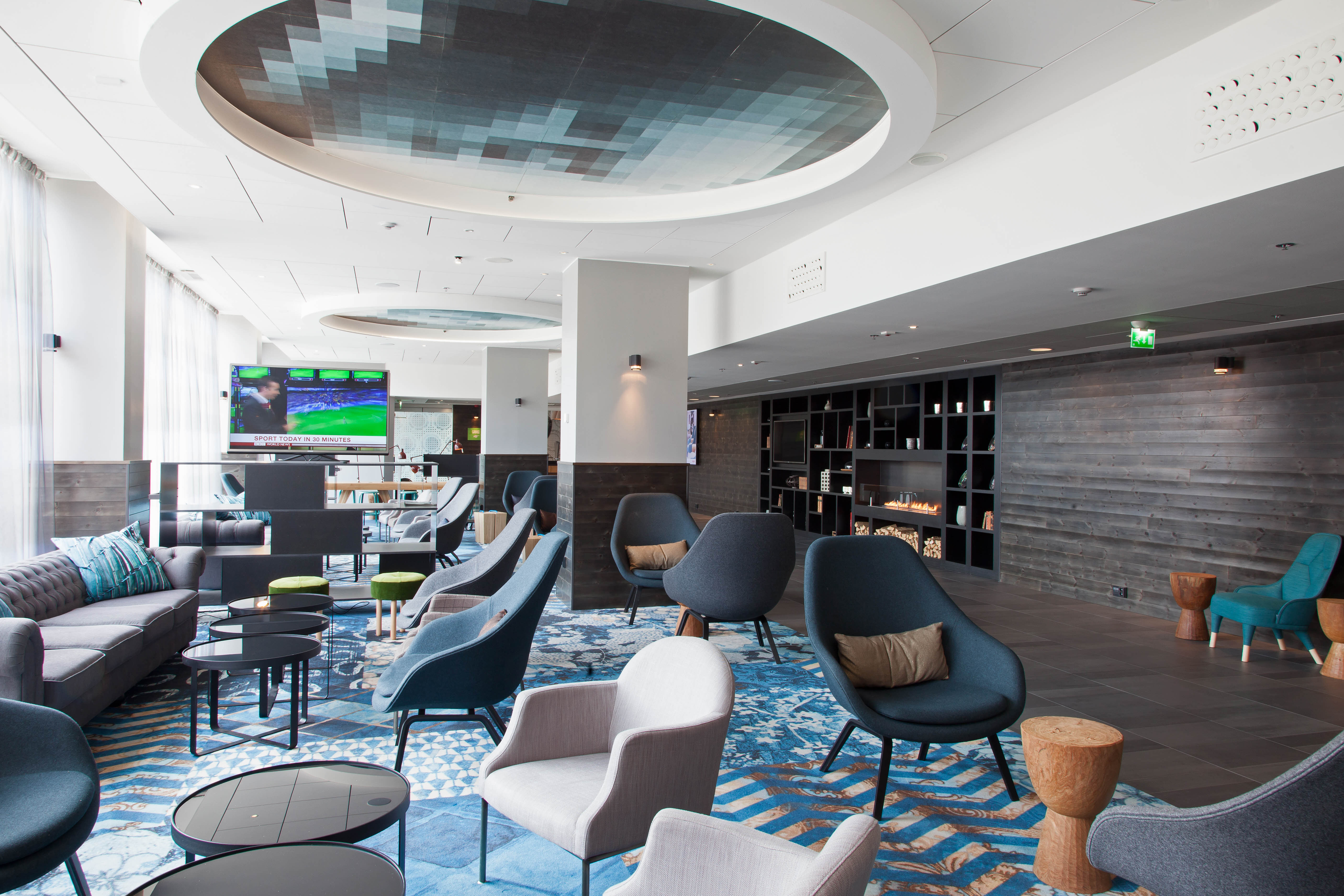
Scandic Park Helsinki
Scandic Park Helsinki (Helsinki) keeps a calm, electric sauna with private access for hotel guests — a low-friction wellness pause for travellers passing through.
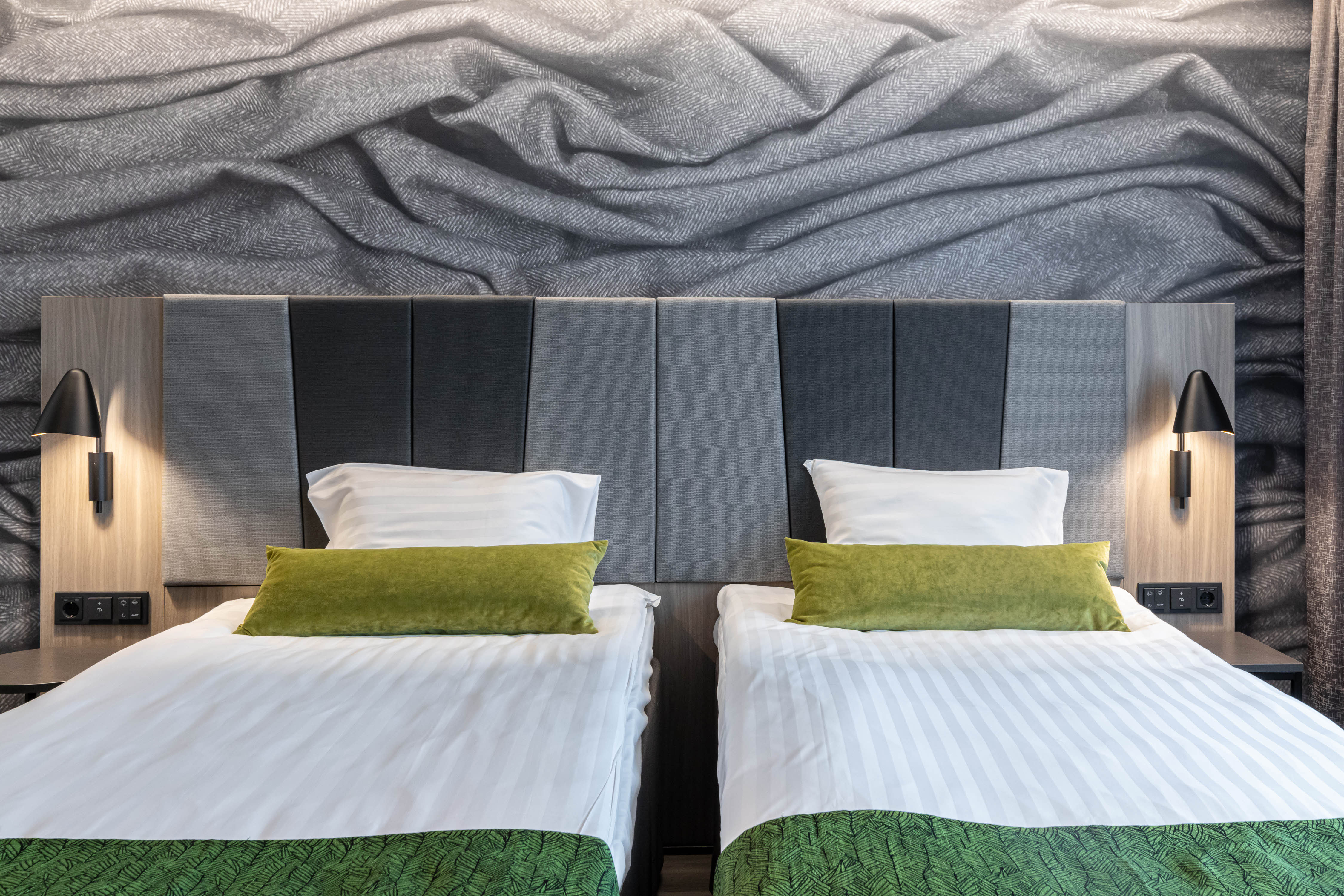
Scandic Pasila
Electric-heated sauna at Scandic Pasila in Helsinki — private access for hotel guests. A simple, restorative wellness moment built into your stay.
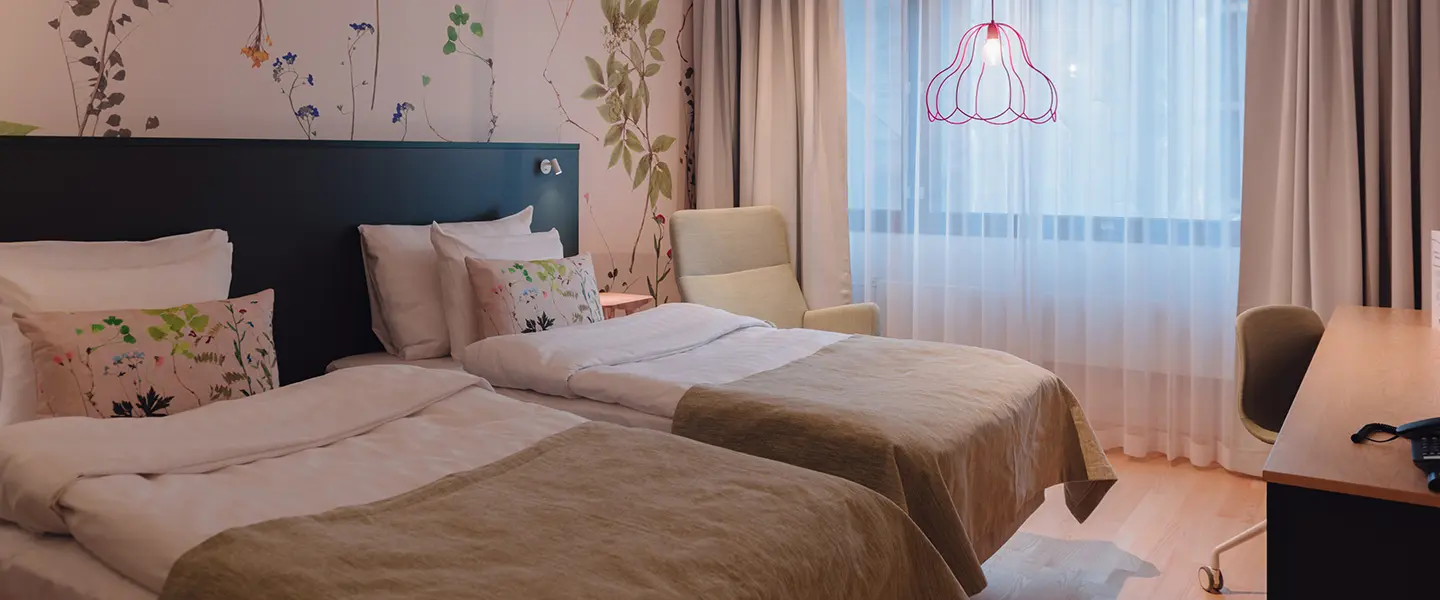
Original Sokos Hotel Presidentti
Electric hotel sauna for staying guests at Original Sokos Hotel Presidentti — a quiet Finnish wellness ritual on a city-centre stay by Helsinki Central in Helsinki.
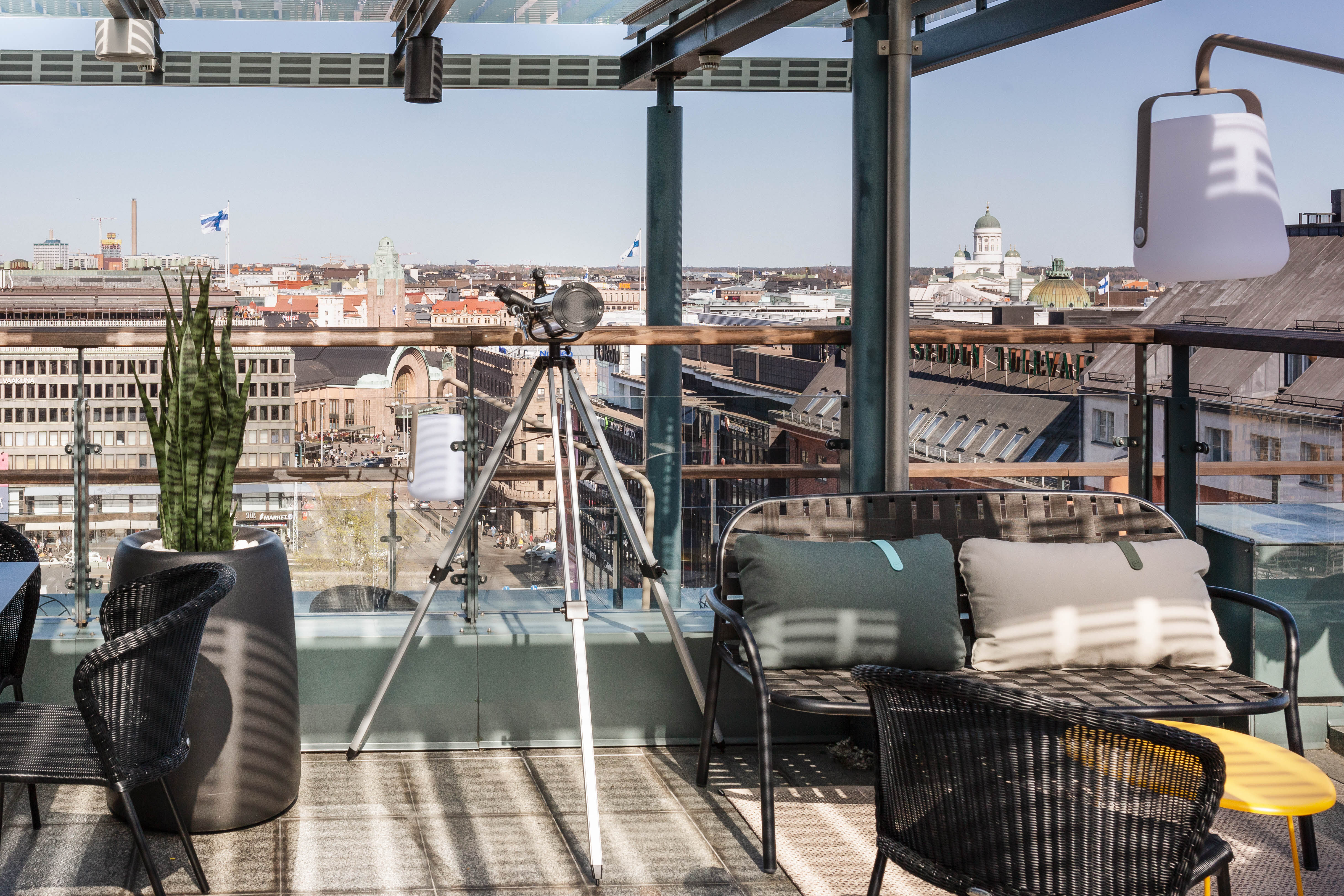
Scandic Simonkenttä
Scandic Simonkenttä (Helsinki) keeps a calm, electric sauna with private access for hotel guests — a low-friction wellness pause for travellers passing through.
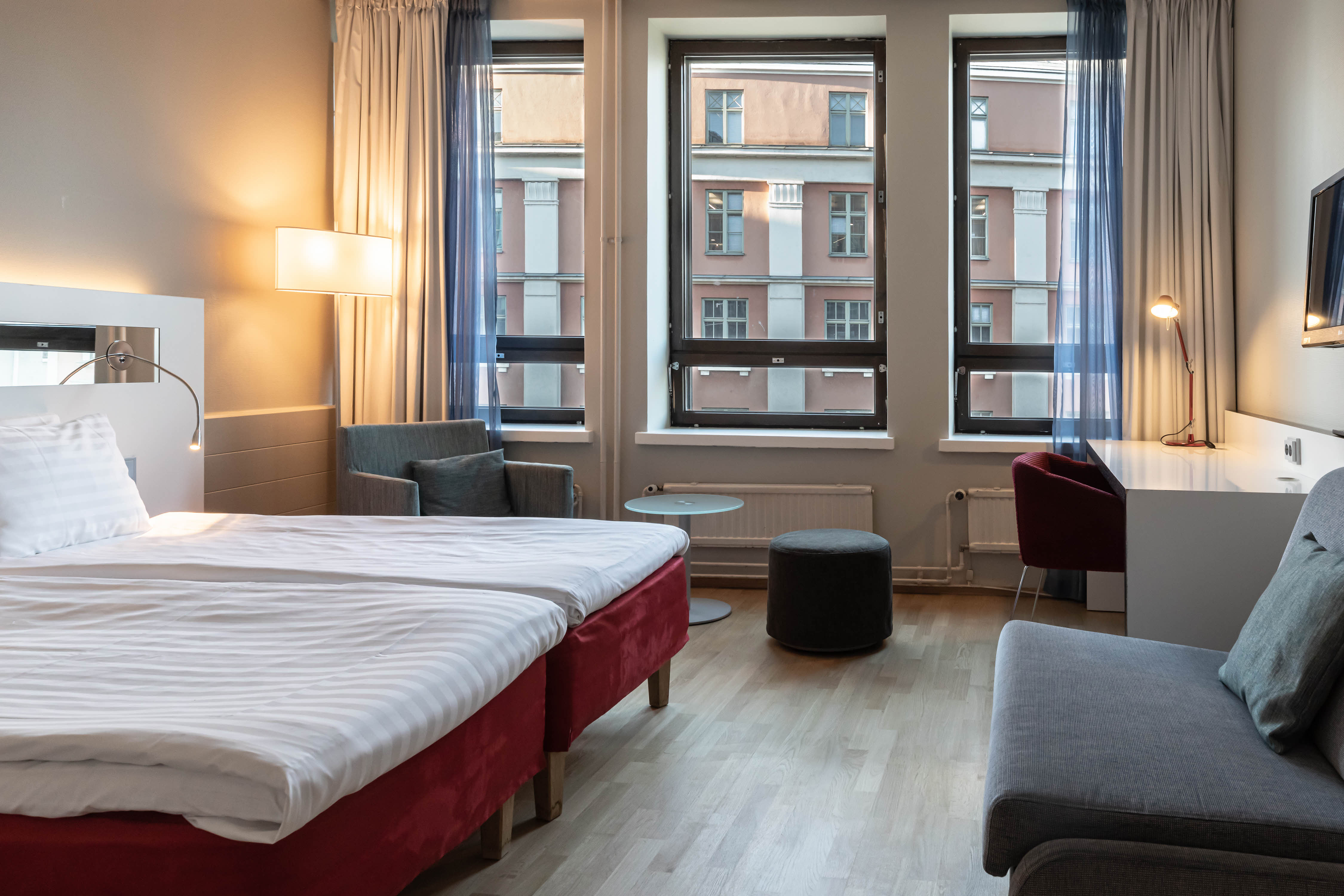
Scandic Kaisaniemi
Electric-heated sauna at Scandic Kaisaniemi in Helsinki — private access for hotel guests. A simple, restorative wellness moment built into your stay.

Lapinlahden Sauna
Teurastamon sauna

Hotel Kamp
Helsinki's iconic 1887 grand hotel at Esplanadi — Kämp Wellness with two saunas (Finnish + eucalyptus steam) and full spa menu.
Elixia
Yhteiskerhotila Talas, sauna
Merihaka Sauna
Allas Pool
Solid Sauna
Utforsk badstuer i Helsinki etter type
Frequently asked questions
Where should first-time visitors sauna in Helsinki?
For a modern architectural experience, Löyly. For traditional drop-in at low cost, Kulttuurisauna. For a classic smoke sauna, Uusi Sauna. Kotiharjun Sauna is the oldest continuously operating public sauna in the city.
Is Finnish sauna hotter than Norwegian or Swedish sauna?
Usually, yes. Finnish saunas typically run 80–100°C with active löyly (water on rocks). Norwegian public saunas often run a touch cooler, around 70–85°C.
Do Helsinki saunas allow nudity?
Single-gender sessions at traditional venues like Kotiharjun and Kulttuurisauna are nude; this is the Finnish norm. Mixed public sessions and hotel saunas require swimwear.
Can I plunge into the sea in Helsinki in winter?
Yes. Most public saunas on the waterfront (Löyly, Allas, Uusi Sauna) maintain an ice-hole (avanto) in winter. The sea freezes around the coast; the hole is cut and maintained daily.