
Badstuer i Göteborg
Sweden
Hva er de beste badstuene i Göteborg?
Gothenburg's sauna culture (bastu) benefits from the city's direct West Coast archipelago access and its Scandinavian wellness infrastructure. Frihamnen, the redeveloped harbour district, has become an emerging sauna hub with waterfront saunas and cold-plunge access to the Göta Älv river. The Bohuslän archipelago, 30–60 minutes from the centre, extends the sauna offer into island-based settings with sea bathing on bare rock skerries. Centralbadet and Scandinavium-area venues serve the year-round city-centre need. Gothenburg's Swedish sauna etiquette: swimwear in mixed sessions, swimwear-optional in single-gender at traditional bastus (check individual venues), sessions longer and quieter than Oslo's social floating-sauna culture.
20 saunas in Göteborg
Smithska uddens nakenbad
Ganlet badplats
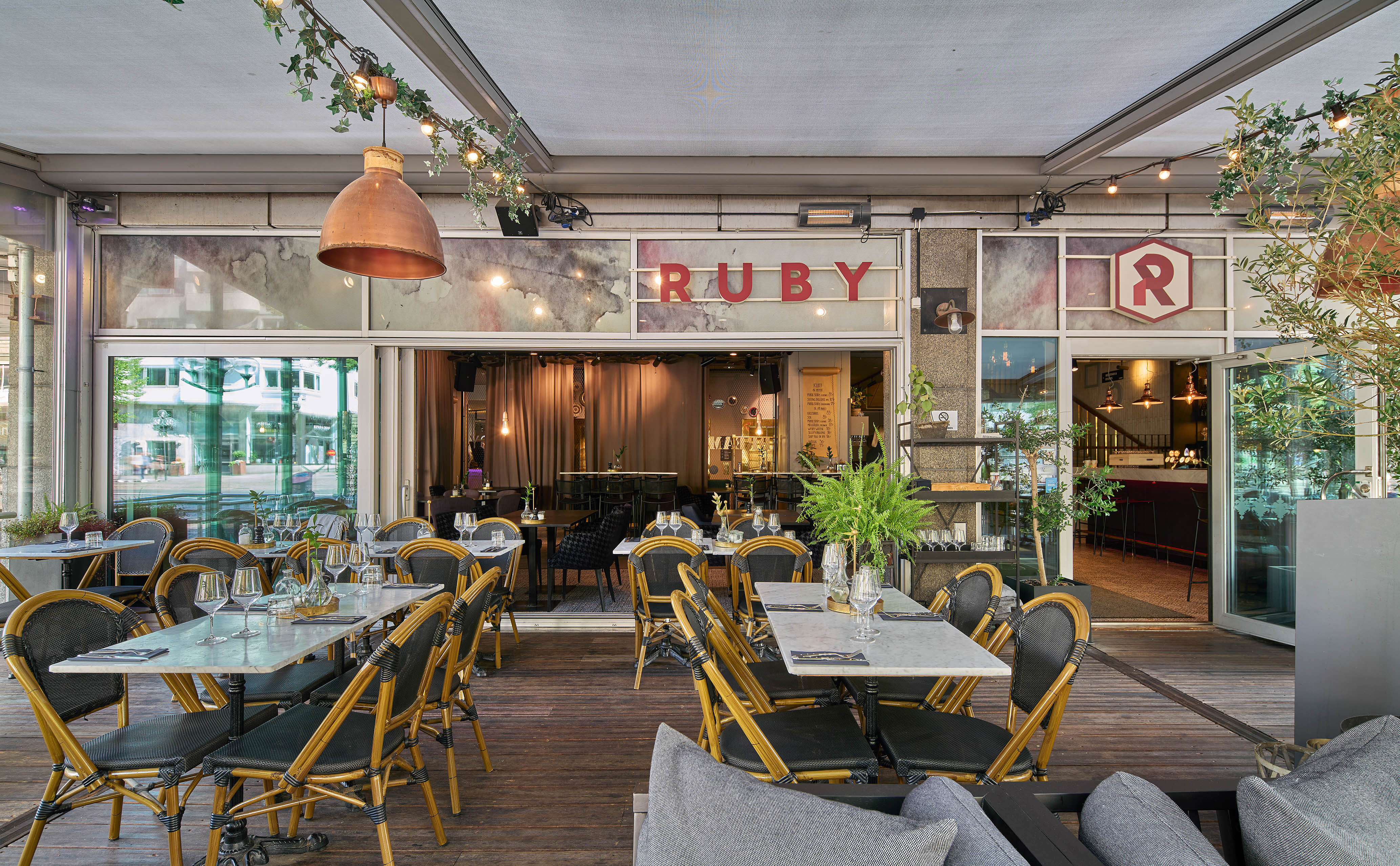
Scandic Rubinen
Electric-heated sauna at Scandic Rubinen in Göteborg — drop-in access for hotel guests and day visitors. A simple, restorative wellness moment built into your stay.
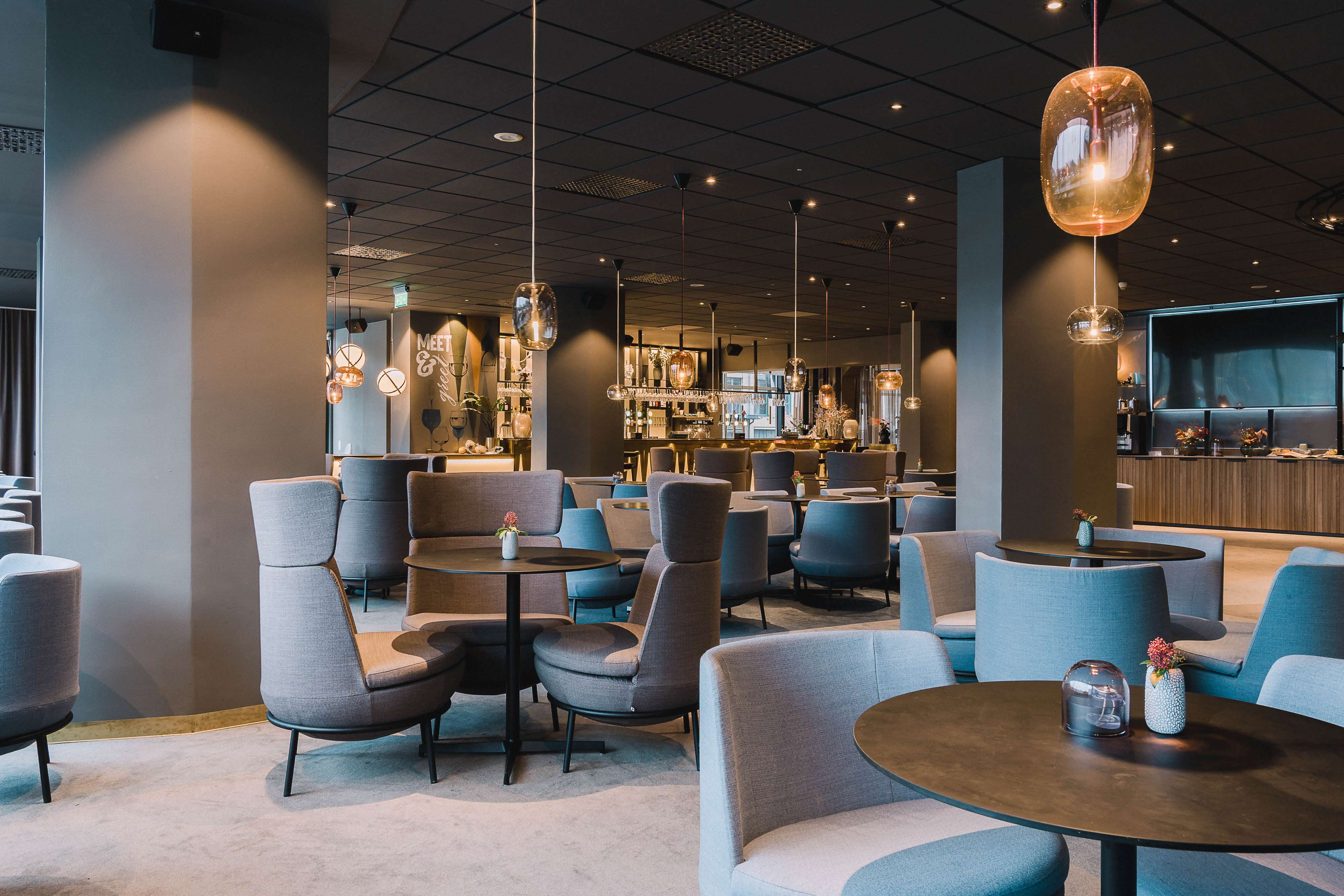
Scandic Opalen
Electric-heated sauna at Scandic Opalen in Göteborg — drop-in access for hotel guests and day visitors. A simple, restorative wellness moment built into your stay.
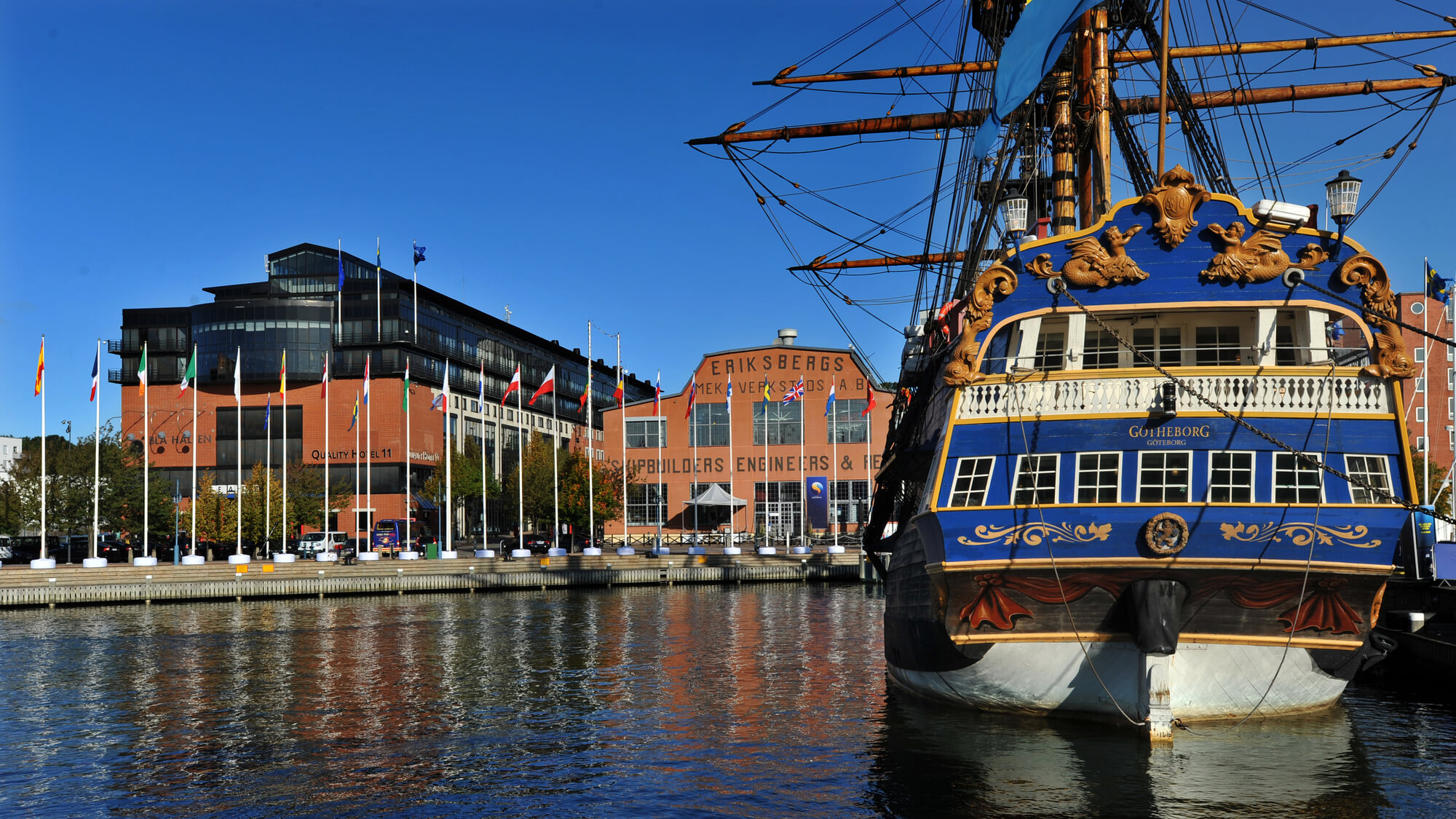
Quality Hotel™ 11
Electric sauna, pool, and relaxation area at Quality Hotel™ 11 — public access for all hotel guests. A simple, satisfying wellness ritual in Gothenburg.
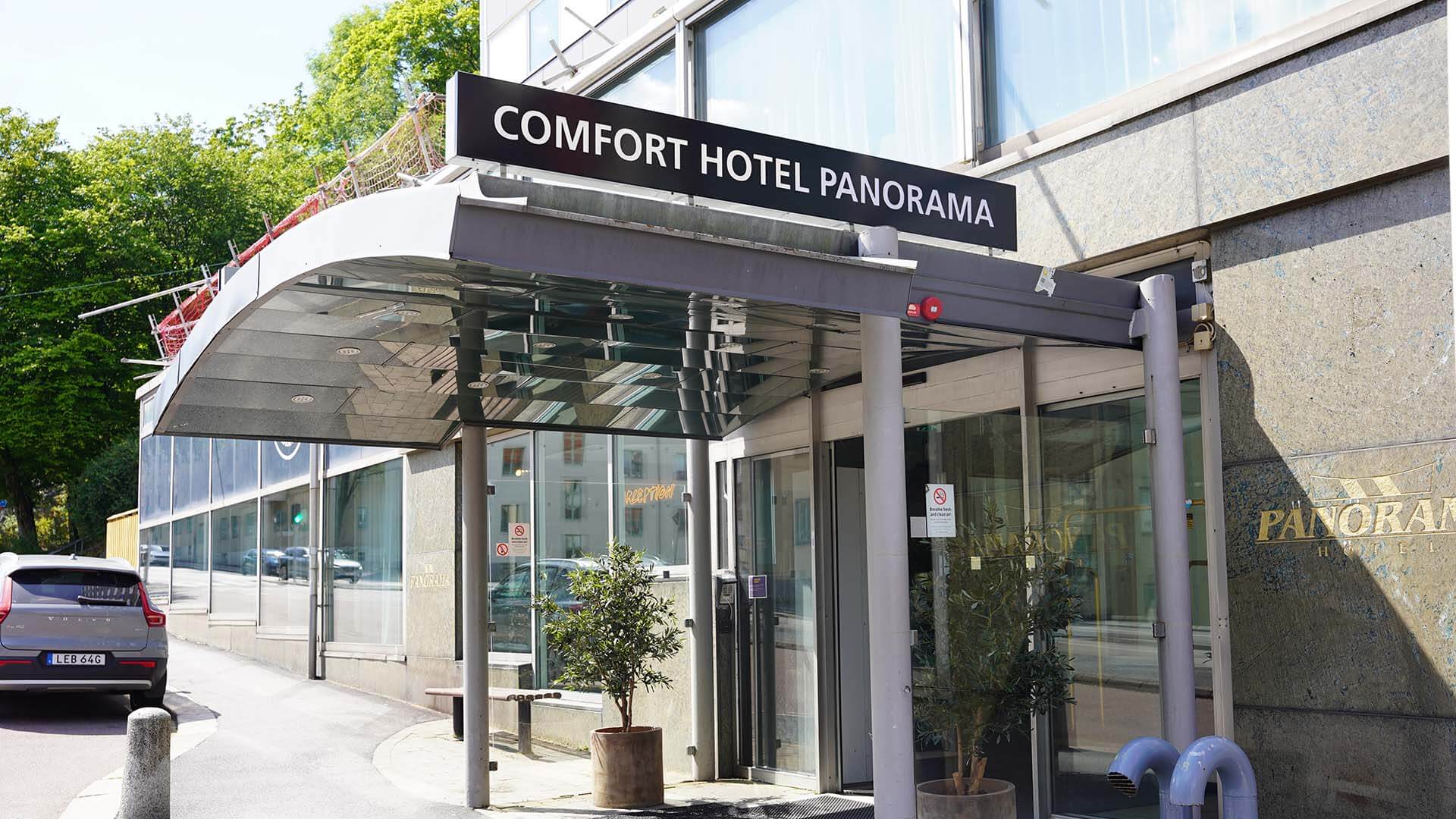
Comfort Hotel™ Panorama
Electric sauna and jacuzzi with public access for all guests at Comfort Hotel™ Panorama — a straightforward wellness option in Gothenburg.
Saltholmen Bastubad
Gothenburg archipelago floating sauna
Allmänna bastun
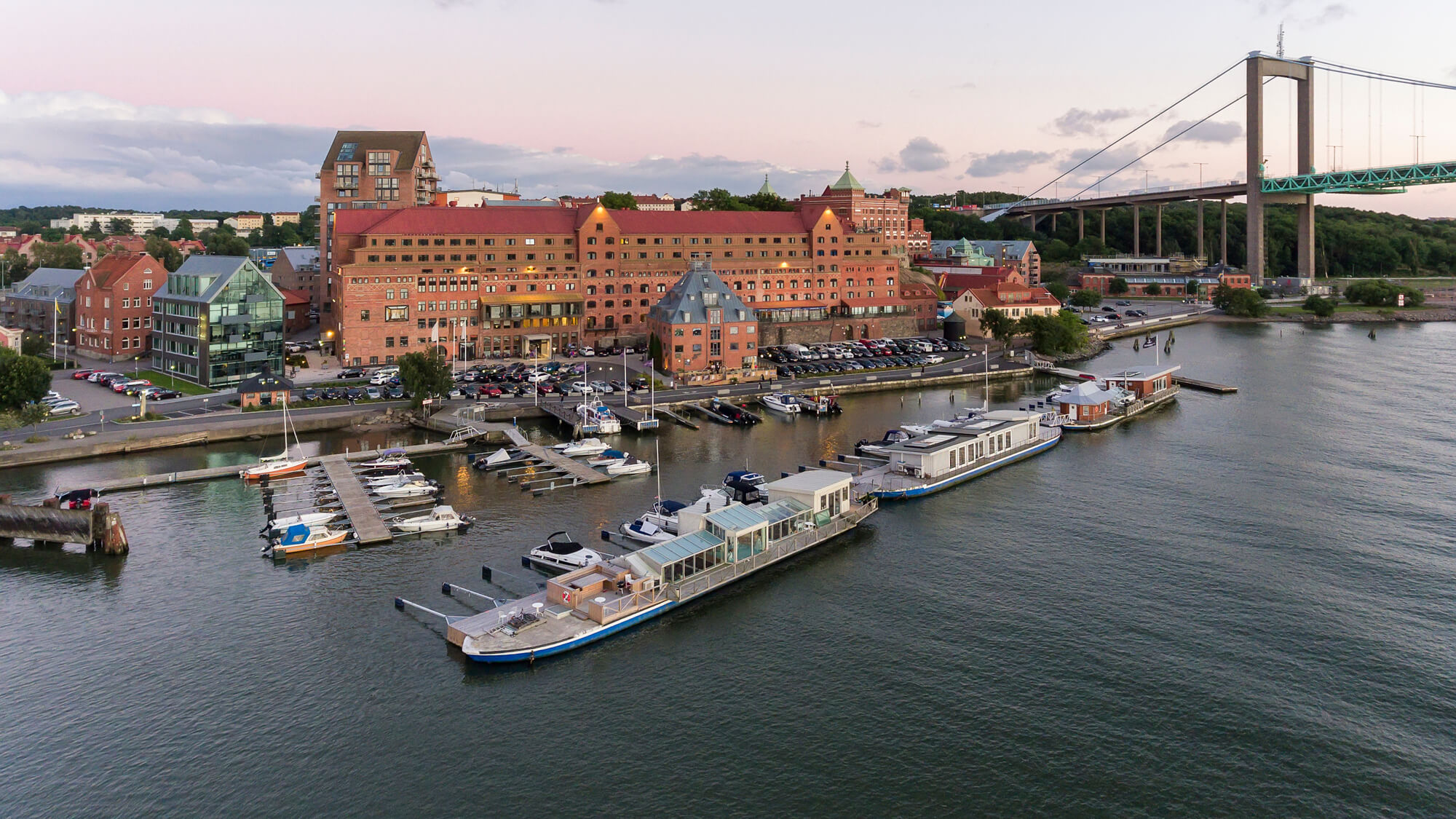
Quality Hotel™ Waterfront, Gothenburg
Steam sauna and jacuzzi at Quality Hotel Waterfront — public access for hotel guests. A relaxing wellness pause in the heart of Gothenburg.
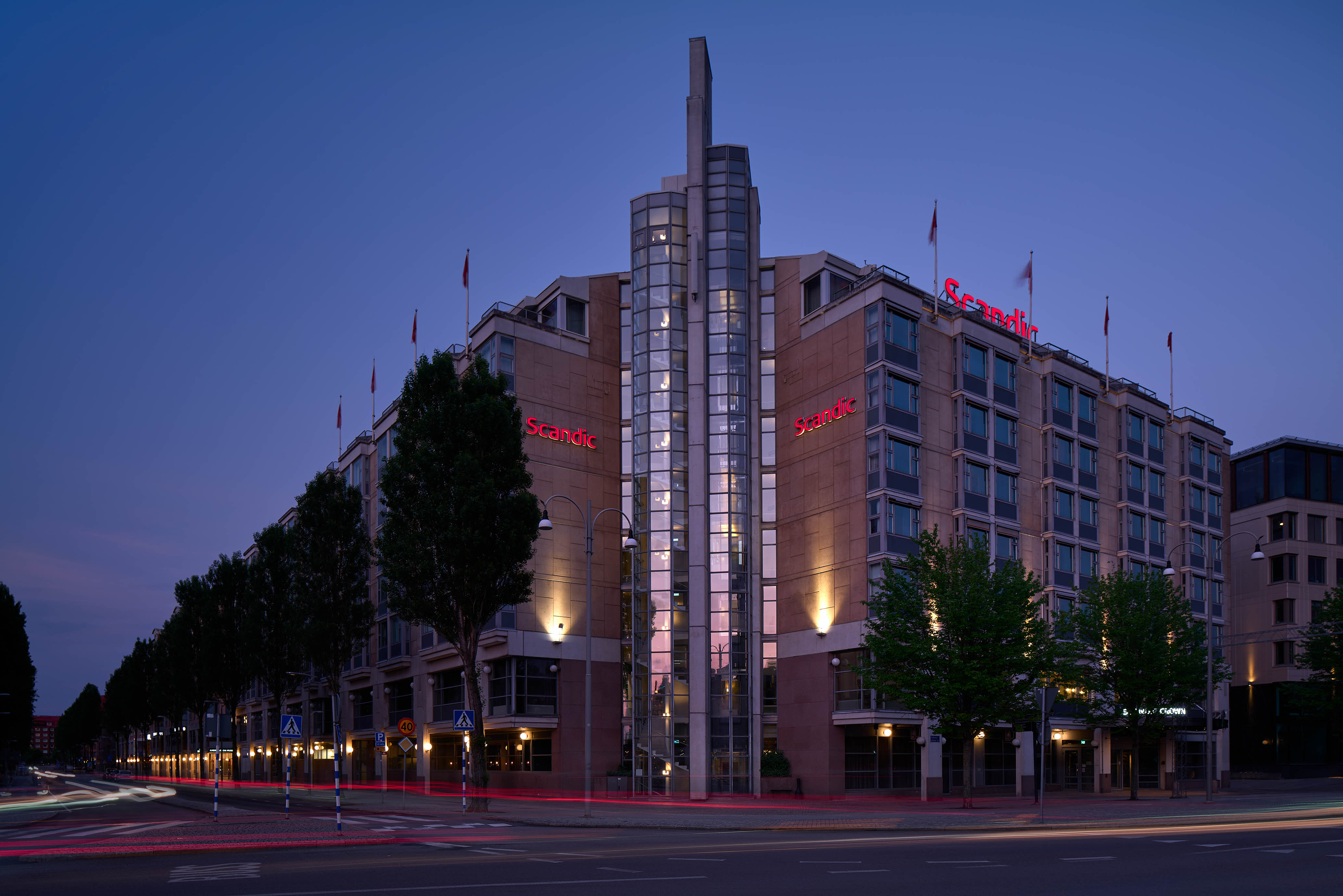
Scandic Crown
Scandic Crown (Göteborg) keeps a calm, electric sauna with drop-in access for hotel guests and day visitors — a low-friction wellness pause for travellers passing through.
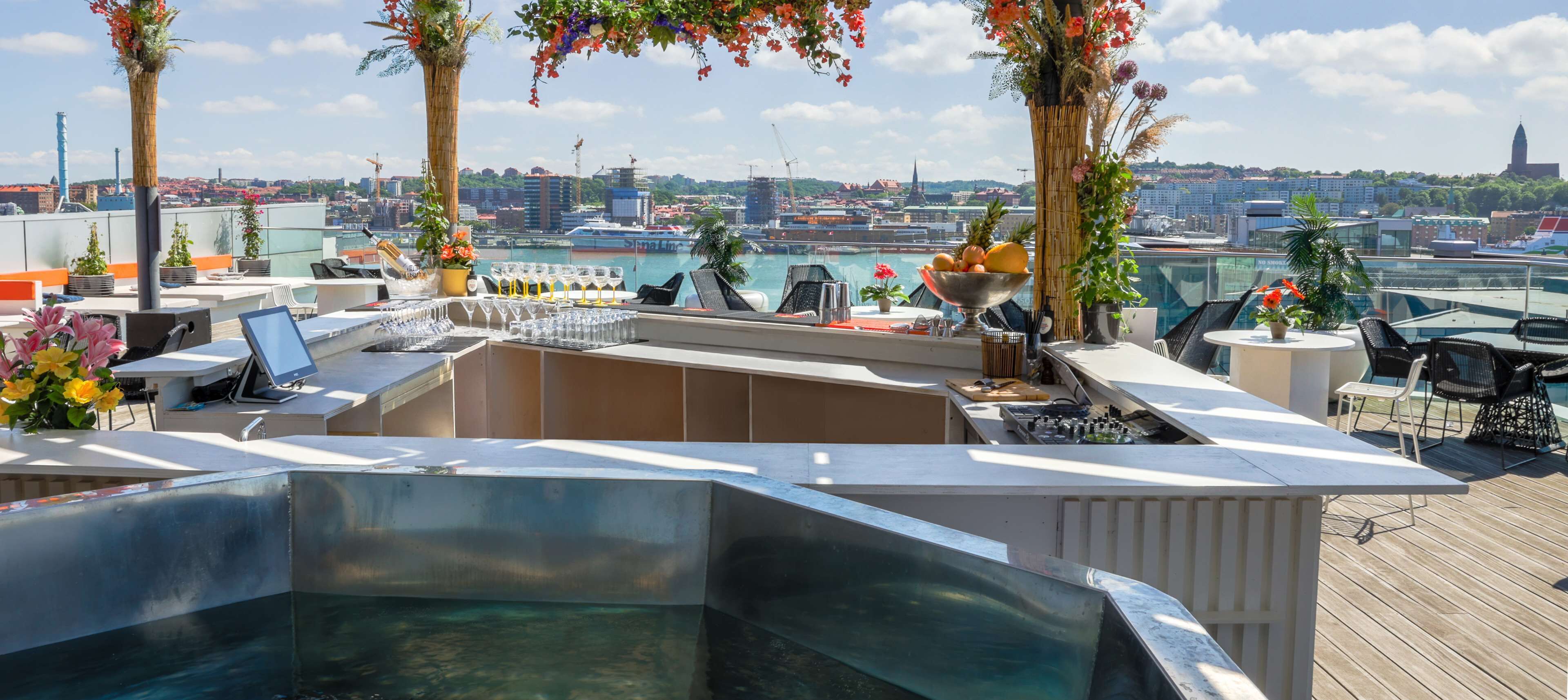
Radisson Blu Riverside Hotel
Moderne hotell ved Göta älv med takspa. Badstue, jacuzzi, to innendørs basseng, utendørs basseng og restaurant Cuckoo's Nest.
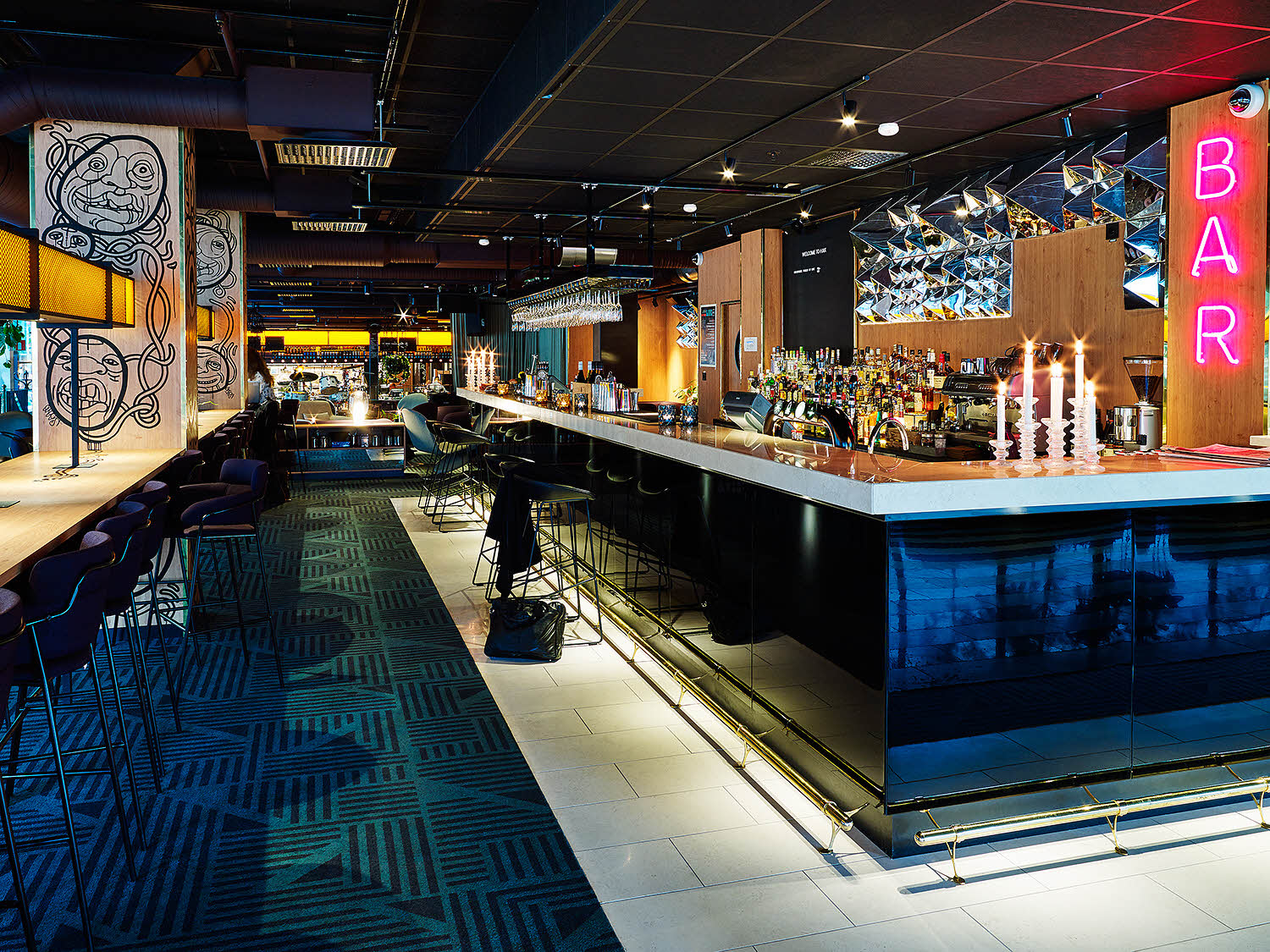
Scandic Europa
Electric-heated sauna at Scandic Europa in Göteborg — private access for hotel guests. A simple, restorative wellness moment built into your stay.
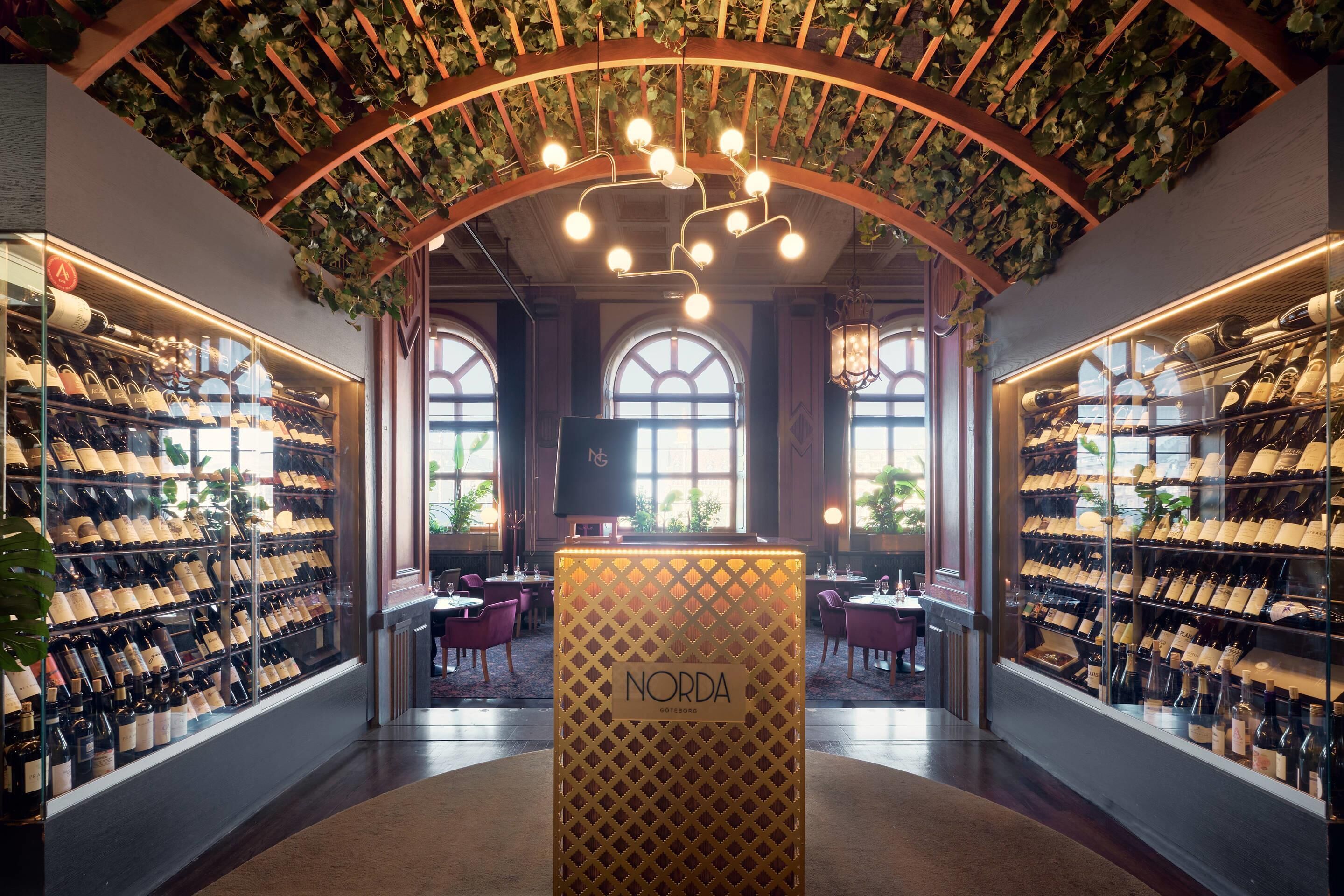
Clarion Hotel Post
Designhotell i renovert 1920-talls postbygning med takspa. Badstue, dampbad, isdusj, taktoppbasseng og 500 rom.
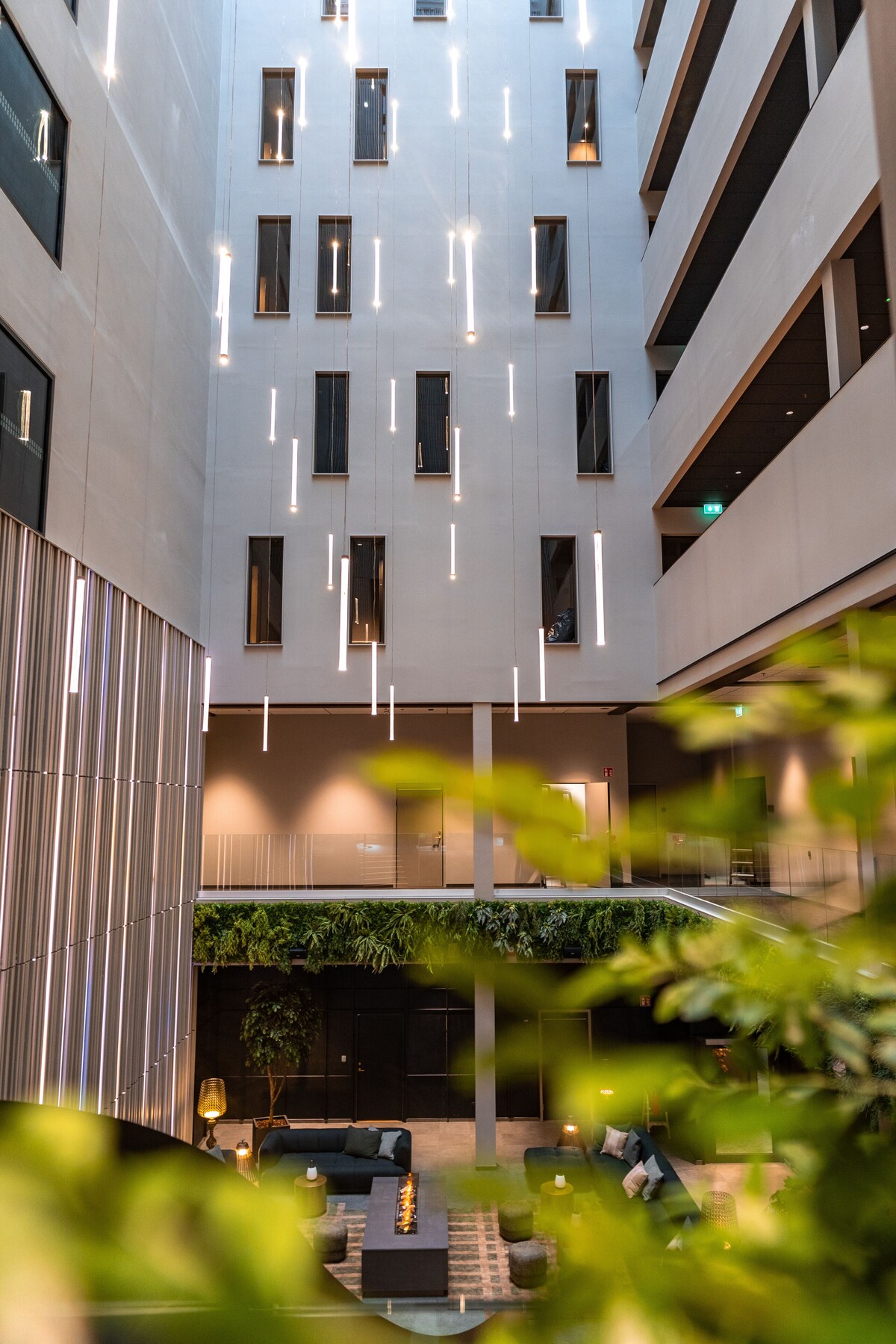
Clarion Hotel The Pier
Contemporary riverside hotel on the Göta älv in central Gothenburg, with rooftop bar, Nordic restaurant, and views of the city skyline.
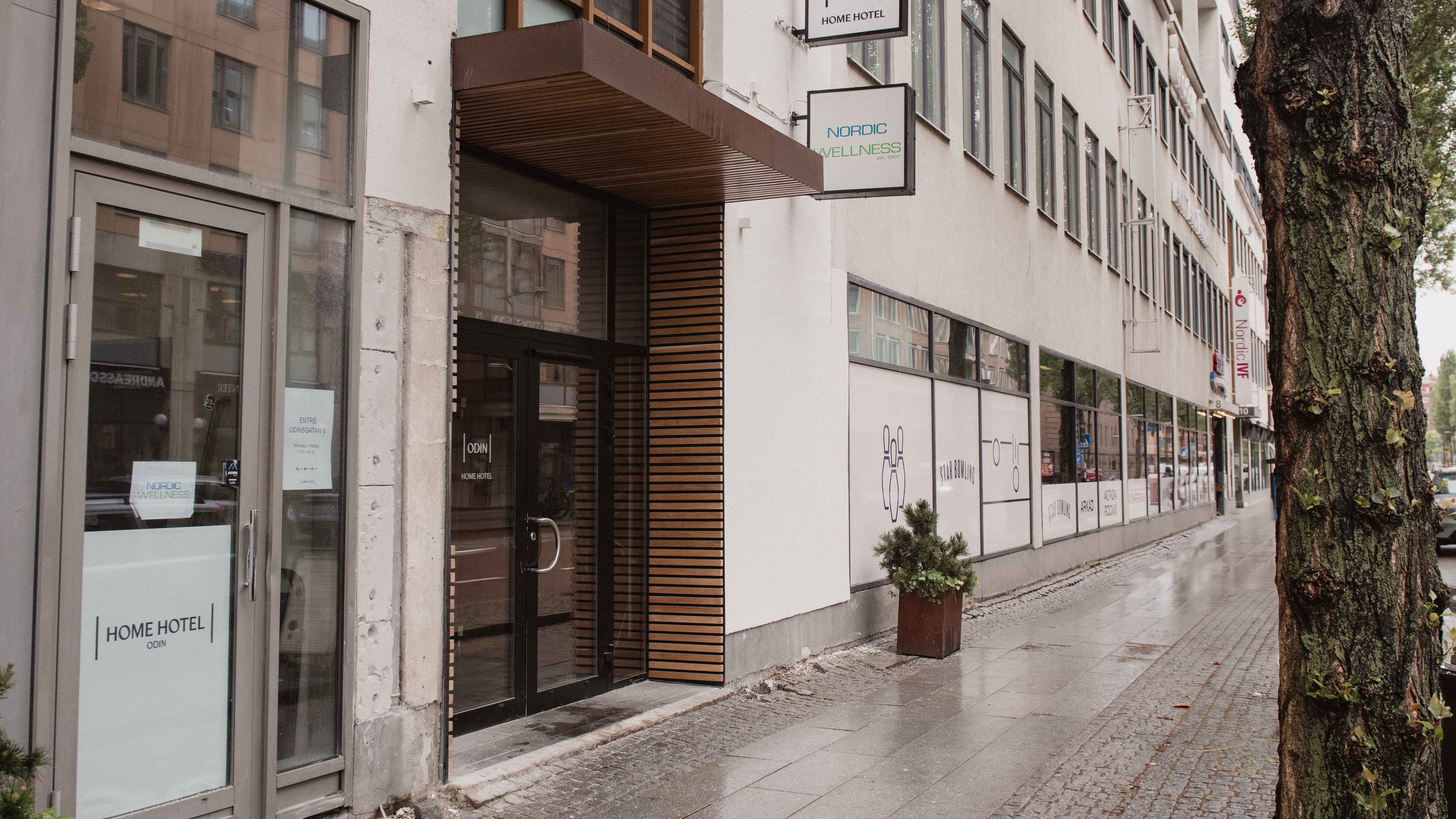
Home Hotel Odin
Steam sauna with public access at Home Hotel Odin in Gothenburg — no booking required, open to all hotel guests. A simple, restorative wellness stop in the heart of the city.
Upper House
Eksklusivt hotell på toppen av Gothia Towers med spa. Badstue, dampbad, to innendørs basseng, utendørs basseng og yogaklasser.
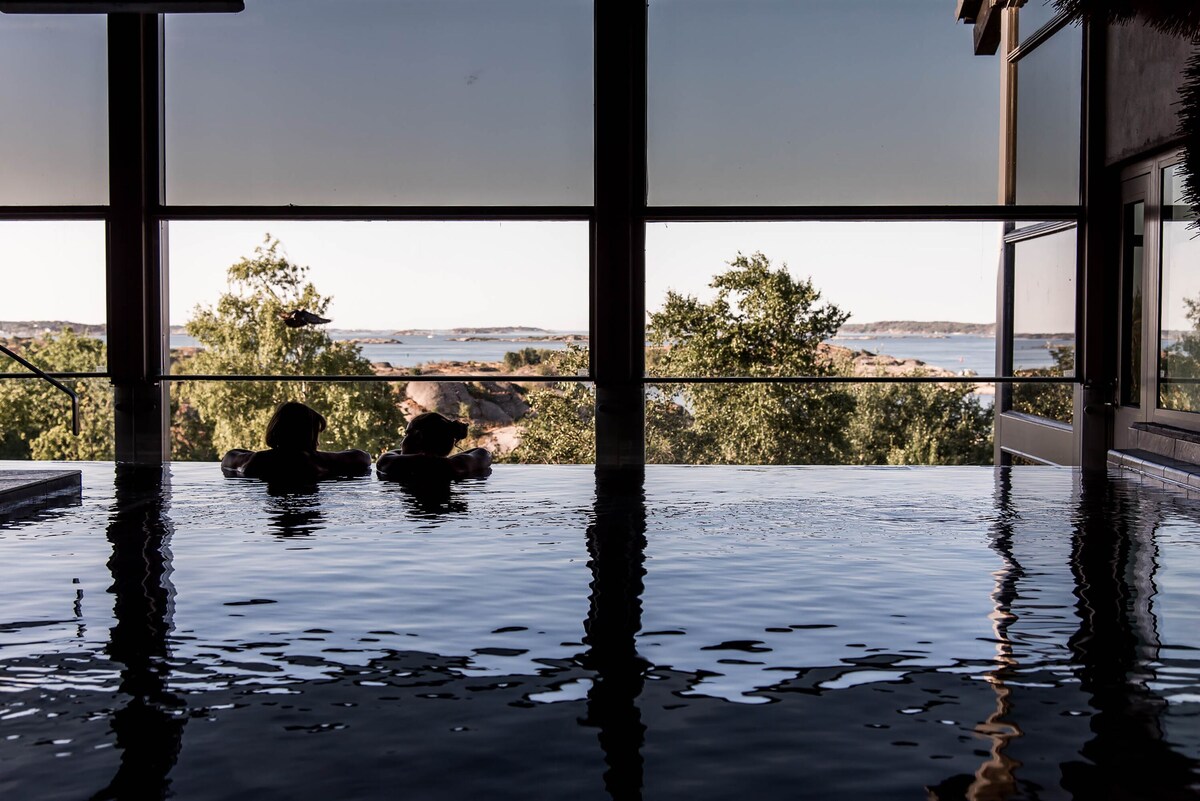
Arken Hotel & Art Garden Spa
Design-forward spa hotel on Gothenburg's southern shore, blending Nordic art, an indoor pool, and spa treatments near Liseberg and Avenyn.
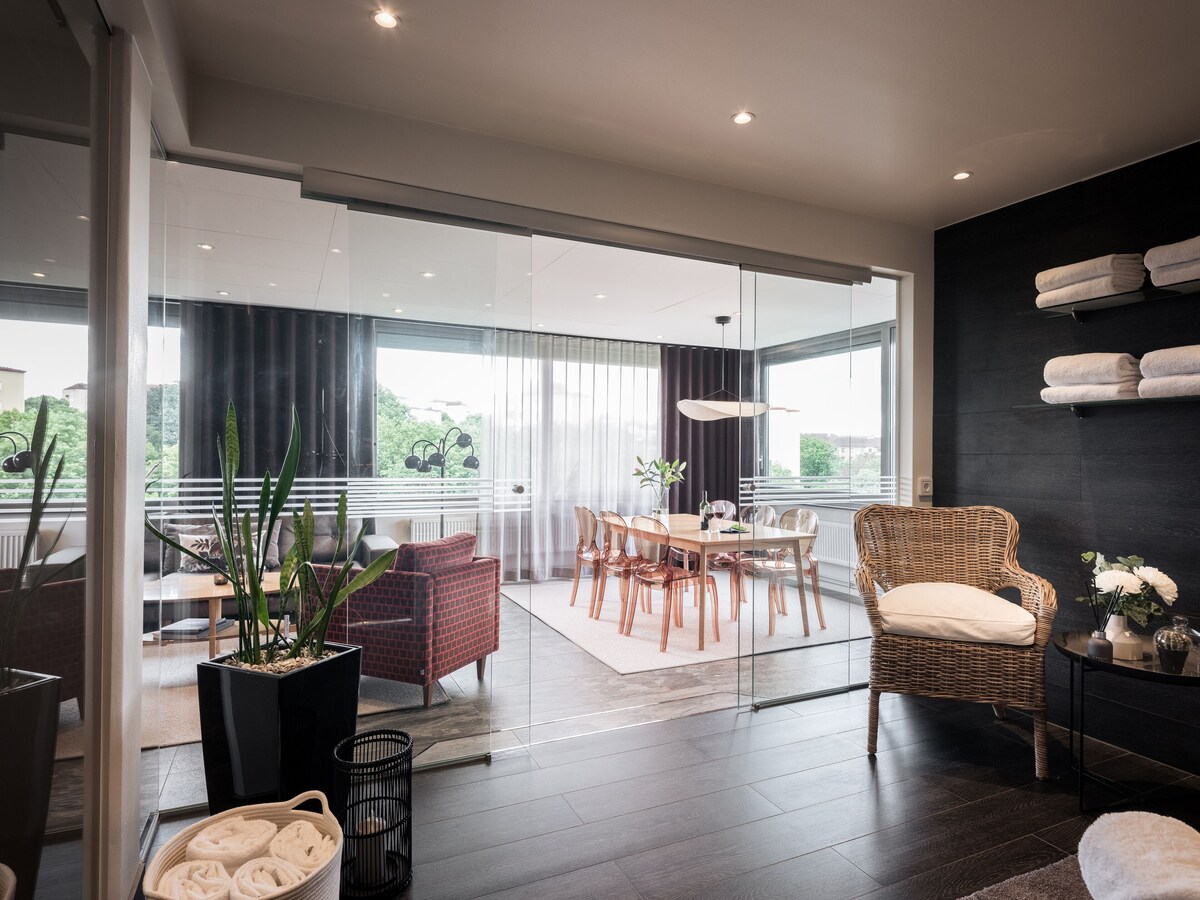
Spar Hotel Majorna
Affordable hotel in Gothenburg's creative Majorna district, close to tram links, Haga, Avenyn, and the Göta älv waterfront.

Elite Park Avenue Hotel
Fullservicehotell på Avenyn med spa og badstue. Dampbad, treningssenter og Green Key-sertifisering. Nær Liseberg.
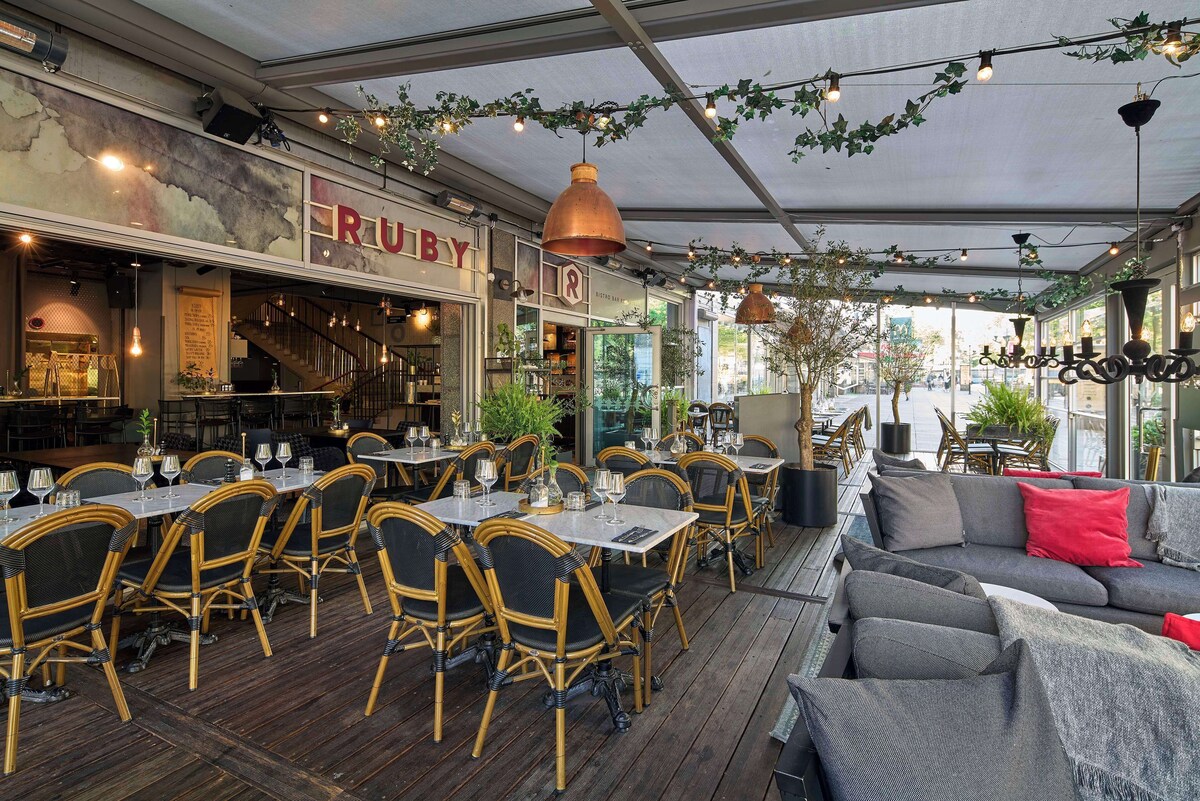
Scandic Rubinen
Full-service hotel on Avenyn, Gothenburg's main boulevard, placing guests at the centre of the city's dining, culture, and nightlife scene.
Utforsk badstuer i Göteborg etter type
Frequently asked questions
Where are the best saunas in Gothenburg?
Upper House at Gothia Towers (27th-floor spa), Hagabadet for historic bathhouse atmosphere, and Saltholmen Kallbadhus for a traditional outer-archipelago sea bath. Frihamnen hosts newer community-style sauna pavilions.
Is the Göta älv safe for a cold plunge?
Yes — water quality is tested and the river is used for public bathing at several city-centre sites. Temperatures range from near-freezing in winter to 18°C in August.
Are Gothenburg kallbadhus mixed-gender?
Most traditional kallbadhus (like Saltholmen) run single-gender sessions, often nude. Modern floating and community saunas use mixed sessions with swimwear.