Why Iceland Has Saunas (and Why Hot Springs Came First)
Iceland's wellness identity is hot springs, not sauna. The medieval roots, the Blue Lagoon era, and how the contemporary sauna scene fits in.
Iceland's wellness identity, in the rest of the world, is hot springs. The Blue Lagoon. The geothermal pools in every village. Year-round outdoor bathing in 38°C water under the northern lights. The Icelandic relationship with hot water is so distinctive — and so geologically unusual — that the sauna part of the story usually gets crowded out.
It shouldn't. Iceland has a real sauna culture, with deep historical roots in the Nordic tradition and a contemporary boom that has paralleled the Norwegian floating-sauna scene over the last decade. But the Icelandic sauna story is genuinely different from anything in mainland Scandinavia, because it sits in tension with — and increasingly in partnership with — the older and more dominant geothermal-pool tradition.
This is what makes Icelandic sauna culture distinctive, where it came from, and how to think about it as a visitor.
Hot springs first: the geology that shaped a culture
To understand Icelandic sauna, you first have to understand why Icelanders never needed sauna the way Finns and Estonians did.
Iceland sits on the Mid-Atlantic Ridge, where the North American and Eurasian tectonic plates pull apart. The geological consequence is a country saturated with geothermal energy: hot springs, steam vents, and naturally heated groundwater accessible essentially everywhere on the island. The medieval Icelandic sagas mention bathing pools (laugar) as ordinary features of farm life — the Snorralaug at Reykholt, where the historian Snorri Sturluson reportedly bathed in the 13th century, is still functional.
For a thousand years, Icelandic bathing culture meant communal hot pools rather than enclosed sweat-houses. The geological gift of free hot water meant the labor-intensive Finnish sauna model — chopping wood, building stoves, heating stones — never had the same economic logic. Why heat a small wooden room when the ground next to your farm produces 40°C water for free?
The result is that until the late 20th century, Iceland's wellness tradition centered on outdoor bathing in geothermally heated pools. Every village built a sundlaug — a public swimming pool fed by hot-spring water — usually in the early-to-mid 20th century as part of public-health infrastructure. These pools, paired with hot tubs at gradually increasing temperatures, are still the everyday bathing experience for most Icelanders, and the format has no real parallel anywhere else in the world.
Where sauna fits in the Icelandic landscape
The traditional sauna — gufubað in Icelandic, literally "steam bath" — has been present in Iceland since at least the medieval period, but it played a secondary role to the hot pools. The Old Icelandic sagas reference enclosed sweat-houses (ofnar) as features of medieval farms; archaeological evidence confirms small heated turf-roofed structures used for both bathing and certain cooking and food-preservation tasks.
The modern Finnish-style sauna entered Iceland mainly through the 20th century, partly via Nordic cultural exchange (Iceland is structurally part of the Nordic Council and has close institutional ties with Finland) and partly through the global wellness culture of the late 20th century. By the 1980s, most Icelandic public pools had added a sauna alongside their existing hot-pool circuit. By the 2010s, the sauna had moved from a peripheral amenity to an increasingly central part of the Icelandic bathing experience, particularly in newer commercial spas built around the tourism boom.
Today, the Icelandic sauna landscape has three layers:
- The traditional public pool sauna, attached to the local sundlaug and used as one element among many in a typical pool visit
- The contemporary commercial spa, which combines hot springs, saunas, steam rooms, and treatment menus into the format that international visitors know from the Blue Lagoon, Sky Lagoon, and Krauma
- The boutique sauna scene, including private rentals, boat saunas, and small architectural saunas that have appeared in Reykjavik and a handful of other locations in the last decade
Each layer has a different cultural register, and each fills a different niche.
The traditional public-pool sauna
If you want to understand how Icelanders actually bathe, the answer is the local sundlaug. Every Reykjavik neighborhood has one, every village outside the city has one, and the bathing experience is built around moving through different temperatures: a heated outdoor pool, a series of progressively hotter hot tubs (typically 38°C, 41°C, sometimes 44°C), a cold plunge, and — usually — a sauna or steam room as one stop in the circuit.
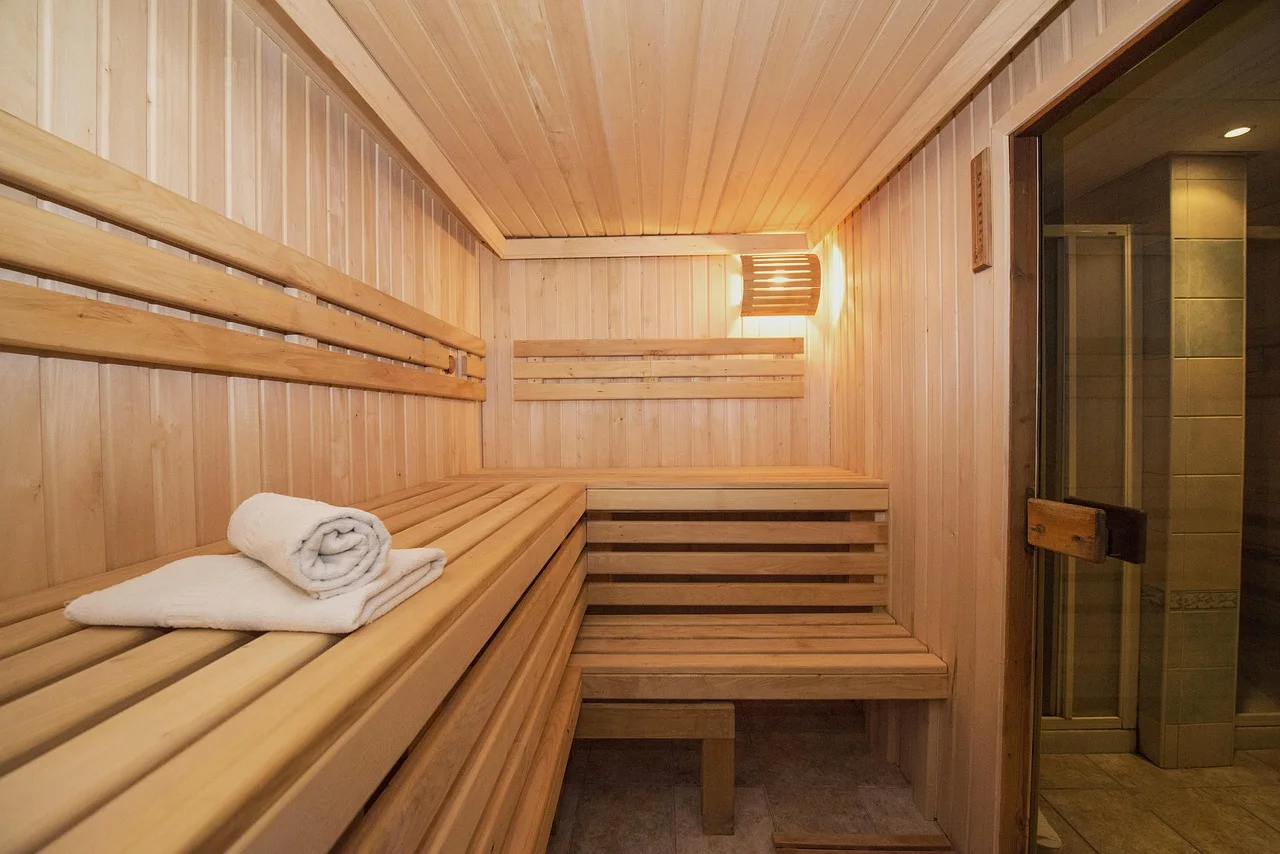
The sauna itself in this context is rarely the destination. It's a 5–10 minute heat exposure between hot-tub rounds, used as a complement to the longer pool soak rather than as a primary experience. The temperature is usually moderate (75–85°C), the duration is short, and the social rhythm is closer to hot-tub culture than to Finnish sauna culture.
This is the most authentic version of Icelandic bathing. Visitors often skip it in favor of the commercial spas, but a Saturday afternoon at Laugardalslaug or Vesturbæjarlaug in Reykjavik is the cleanest window into how the country actually experiences its wellness tradition.
The commercial spa boom
The Blue Lagoon, opened to the public in 1992, was the inflection point. What began as a runoff pool from a geothermal power plant — discovered by accident to have remarkable mineral properties for skin — gradually evolved into one of the most-photographed wellness destinations in the world. By the 2010s, the Blue Lagoon had spawned an entire commercial-spa subindustry.
The format is now well-established: a large geothermal lagoon as the centerpiece, wrapped in a circuit of contrast experiences (cold plunge, sauna, steam room, mineral mud), often with a treatment menu and restaurant attached. The Sky Lagoon (opened 2021 in Kópavogur, just outside Reykjavik) is the contemporary reference, with its seven-step "Ritual" combining cold plunge, sauna, mist, mineral salt scrub, and hot-pool soak. Krauma, in west Iceland, brings the format to the geological context of Deildartunguhver, Europe's most powerful hot spring.
These spas are where Icelandic sauna culture intersects most cleanly with international visitors' expectations. The sauna in this context is consequential — usually a wood-fired or carefully designed electric sauna, used as part of a structured circuit that includes the lagoon — and is increasingly distinctive.
The Reykjavik boutique scene
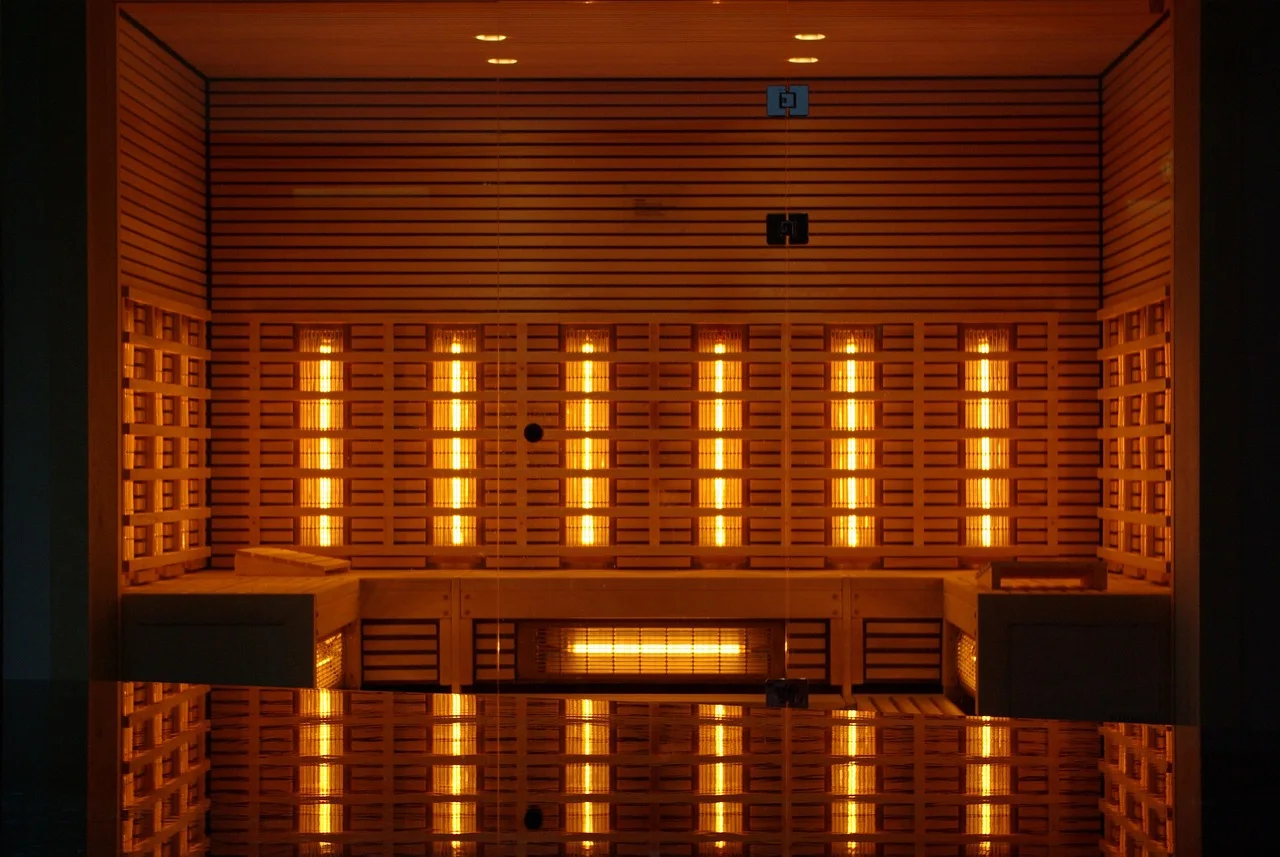
The most recent layer is the contemporary boutique sauna scene that has emerged in Reykjavik over the last 5–10 years, paralleling the Norwegian floating-sauna boom and influenced heavily by Oslo's SALT and KOK. Floating saunas have appeared in the Reykjavik harbor; small wood-fired private-rental saunas have opened in repurposed industrial buildings; and a handful of design-led saunas have started to define a contemporary Icelandic aesthetic — heavily wooden, low-light, often paired with outdoor sea-water access.
This is the segment most likely to grow over the next decade as the Icelandic wellness scene continues to mature. It has Norwegian and Finnish influences, but it's developing its own character, particularly around the integration of geothermal water access alongside the conventional sauna-and-cold-plunge structure.
What's distinctively Icelandic
Pulling the threads together, Icelandic sauna culture has several characteristics that separate it from mainland Scandinavian traditions.
Sauna sits inside a broader bathing context. Where Finnish or Estonian sauna is often the main event, Icelandic sauna is one stop on a circuit that includes geothermal hot tubs, outdoor pools, cold plunges, and sometimes mineral baths. The "sauna visit" framing is less common; "pool visit that includes a sauna" is more accurate.
Hot pools are more central than the sauna. This is the inverse of the Finnish, German, and Swedish tradition. Anywhere Icelandic, the pools come first.
Outdoor cold options are abundant. Sea-water access in Reykjavik, glacial-fed rivers in the interior, and direct access to natural cold pools at most spas. The Icelandic cold-plunge experience is among the most genuine in the world because it's almost always natural rather than cooled tap water.
Geothermal mineral water is a specific differentiator. The Blue Lagoon, Sky Lagoon, and many smaller spas use water with a distinct mineral profile (silica, sulfur, algae) that produces specific skin and hair effects. This isn't true sauna culture but it's part of the Icelandic bathing differentiation.
Mixed-gender, swimsuit-required is the convention. Icelandic public pools and spas universally require swimsuits, and saunas attached to those facilities follow the same rule. Naked Finnish-style sauna isn't part of Icelandic public bathing culture.
Lower temperatures than Finnish. Icelandic saunas typically run 75–85°C rather than the 90°C+ common in Finland. The shorter sessions and pool-circuit context don't reward extreme heat.
Where to experience it
A few practical pointers for visitors.
public pools. Laugardalslaug (the largest), Vesturbæjarlaug (the local-favorite), and Sundhöllin (the historic 1937 building near the city center) all combine hot pools, cold plunges, and saunas. €10–15 entry. The most authentic version of Icelandic bathing.
Sky Lagoon (near Reykjavik). The commercial-spa flagship of the new generation. The Ritual circuit is the structured sauna-and-cold experience that visitors come for. Plan a half-day; book ahead.
Blue Lagoon (Reykjanes peninsula). The original. Pricey, crowded in summer, but still a meaningful experience. The sauna is one element among many.
Krauma (west Iceland). Built around the Deildartunguhver hot spring. Smaller, less crowded, more focused on the geological context. Worth a half-day excursion if you're in the region.
. The largest town in northern Iceland has its own pool-and-sauna scene, including the Forest Lagoon (opened 2022) which has become the regional alternative to the Blue Lagoon.
For the broader Nordic context, our and cover the immediate Nordic relatives. Iceland sits in conversation with both but has its own distinct relationship with hot water that predates and outweighs the imported Finnish-style sauna tradition.
Bottom line
Iceland's wellness culture is older than its sauna culture, and the two have only fully converged in the last 30 years. The medieval and folk tradition is hot-spring bathing, not sauna. The modern sauna scene is real and growing — particularly in Reykjavik's commercial spas and the emerging boutique floating-sauna segment — but it sits within a broader Icelandic bathing context where hot pools come first.
For visitors, this means the most authentic Icelandic sauna experience isn't a sauna-only visit. It's a public-pool circuit that includes a sauna stop, ideally paired with a half-day at one of the major commercial spas (Sky Lagoon, Blue Lagoon, or Krauma) where the integrated sauna-and-hot-water experience is at its most developed.
Plan a visit. Browse and , or read our broader for context on the Nordic tradition.