
Saunat – Ranska
France's wellness tradition is dominated by thermalisme — medical thermal-water cures at officially recognized stations thermales, where physician-prescribed three-week cures have been partially reimbursed by national health insurance for decades. Vichy, Évian-les-Bains, Aix-les-Bains, La Roche-Posay, Brides-les-Bains, and Dax are the historic anchors of this tradition. A parallel coastal thalassothérapie circuit (Biarritz, Quiberon, La Baule, Dinard) uses sea water and seaweed-based treatments. Finnish-style sauna is a recent import and appears mainly inside luxury hotel spas in Paris, Lyon, and the Côte d'Azur, or as a secondary amenity inside thermal-cure complexes. The hammam tradition — imported from North Africa via French colonial history — remains the most popular standalone heat-bathing experience in French cities, with the Hammam de la Mosquée de Paris (founded 1926) and Hammam Pacha in Saint-Denis among the best-known venues.
420 saunas across 72 cities
Top sauna cities in France


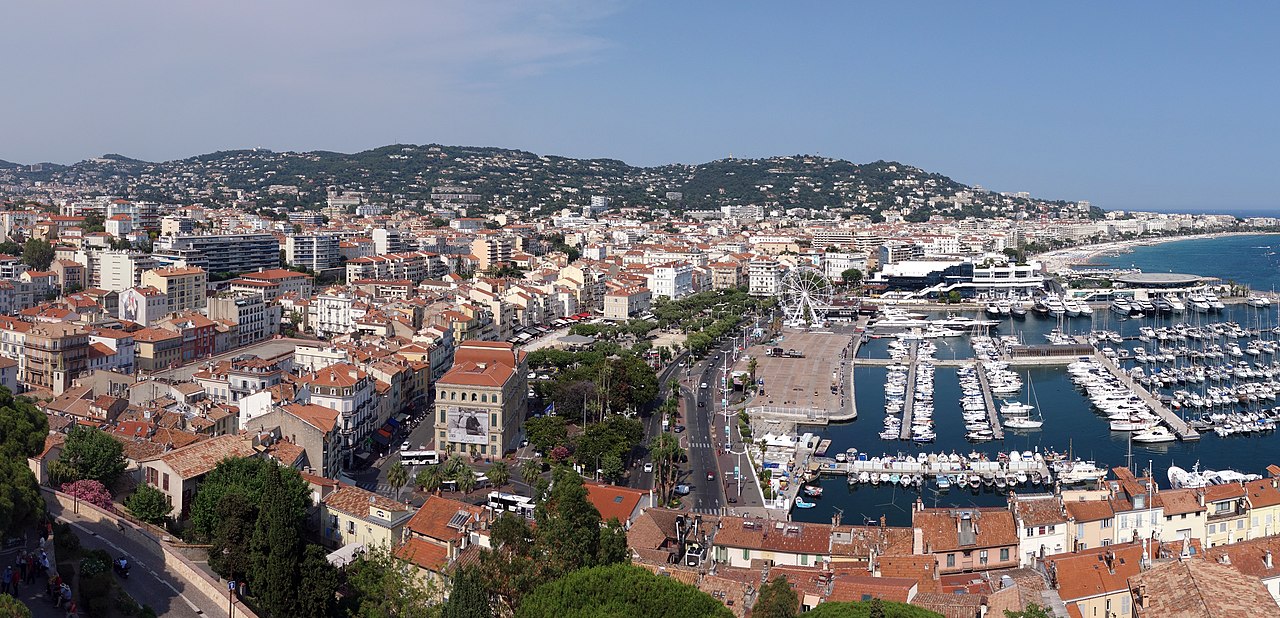


Kaikki saunakaupungit: Ranska
- Paris15
- Tignes7
- Nice7
- La Clusaz6
- Strasbourg5
- Biarritz5
- Lyon5
- Cannes5
- Saint-Gervais-les-Bains4
- Chamonix4
- Morzine4
- Saint-Tropez3
- Courchevel3
- Bordeaux3
- Aix-les-Bains3
- Brides-les-Bains3
- Saint-Lary-Soulan3
- Annecy3
- Balaruc les Bains2
- Dinard2
- Cauterets2
- La Bourboule2
- Marseille2
- Thonon les Bains1
- La Flche1
- Deauville1
- Abrest1
- Thorens Glires1
- Aix-en-Provence1
- Gordes1
- Kaysersberg1
- Megève1
- Saint Denis en Bugey1
- Eugnie les Bains1
- Loriol sur Drme1
- Bziers1
- Dax1
- Muhlbach sur Munster1
- Saint Tienne1
- Lauterbourg1
- Vendargues1
- Arcachon1
- La Baule1
- Pontarlier1
- Vichy1
- Annemasse1
- Montclar1
- Lodve1
- Les Gets1
- Luz Saint Sauveur1
- Val Travers1
- Mieussy1
- Creil1
- Arles1
- Val d'Isère1
- Saint Pierre de Chartreuse1
- Thannenkirch1
- Évian-les-Bains1
- Saint Grve1
- Saint-Malo1
- Lamentin1
- Chasseneuil du Poitou1
- Nmes1
- Le Mans1
- Mulhouse1
- Argels Gazost1
- Barges1
- Les Angles1
- Grenoble1
- Salins les Bains1
- Pessac1
- Quiberon1
Sauna culture in France
French sauna etiquette in hotel spas follows international wellness norms: swimwear throughout, quiet sessions, 60–90 minutes. Inside thermal-cure complexes the focus is medical and the rhythm is dictated by treatment schedules. Standalone hammams in Paris, Marseille, and Lyon typically run single-gender hours with traditional gommage scrubbing and tea service — closer to Turkish/North African etiquette than Nordic sauna culture.
Frequently asked questions
What is thermalisme?
Thermalisme is the French tradition of medical thermal-water cures (cures thermales) prescribed by a physician for specific conditions (rheumatology, respiratory, dermatology) and partially reimbursed by national health insurance. Cures typically last three weeks at an officially recognized station thermale such as Vichy, Aix-les-Bains, or La Roche-Posay.
What is the difference between thermalisme and thalassothérapie?
Thermalisme uses inland thermal mineral water under a medical-cure regimen and is partially reimbursed by health insurance. Thalassothérapie uses heated sea water, marine algae, and coastal climate at venues such as Biarritz, Quiberon, La Baule, and Dinard — it is wellness-oriented rather than medically reimbursed, and visits are typically shorter (3–6 days).
Are dedicated saunas common in French cities?
Less so than in Germany or the Nordics. Finnish-style sauna in France lives mainly inside luxury hotel spas, members' wellness clubs, and as a secondary amenity inside thermal-cure or thalassothérapie complexes. The most popular standalone heat-bathing experience in French cities is the hammam, not the Finnish sauna.